learnkoreanculture 278

Korean Proverb : Where Theres Smoke Theres Fire

Korean Proverb Series 87Where There’s Smoke, There’s Fire“아닌 땐 굴뚝에 연기 나랴”(Anin ttaen gulttuk-e yeongi narya)🕰️ 1. The Proverb’s Core MeaningThe Korean proverb “아닌 땐 굴뚝에 연기 나랴” literally means“Would smoke come out of a chimney if nothing were burning?”It expresses the idea that rumors or accusations usually have some underlying cause.While not every rumor is entirely true,persistent signs or rep..

Korean Folktale : The Legend of the Five Brothers of Obongsan

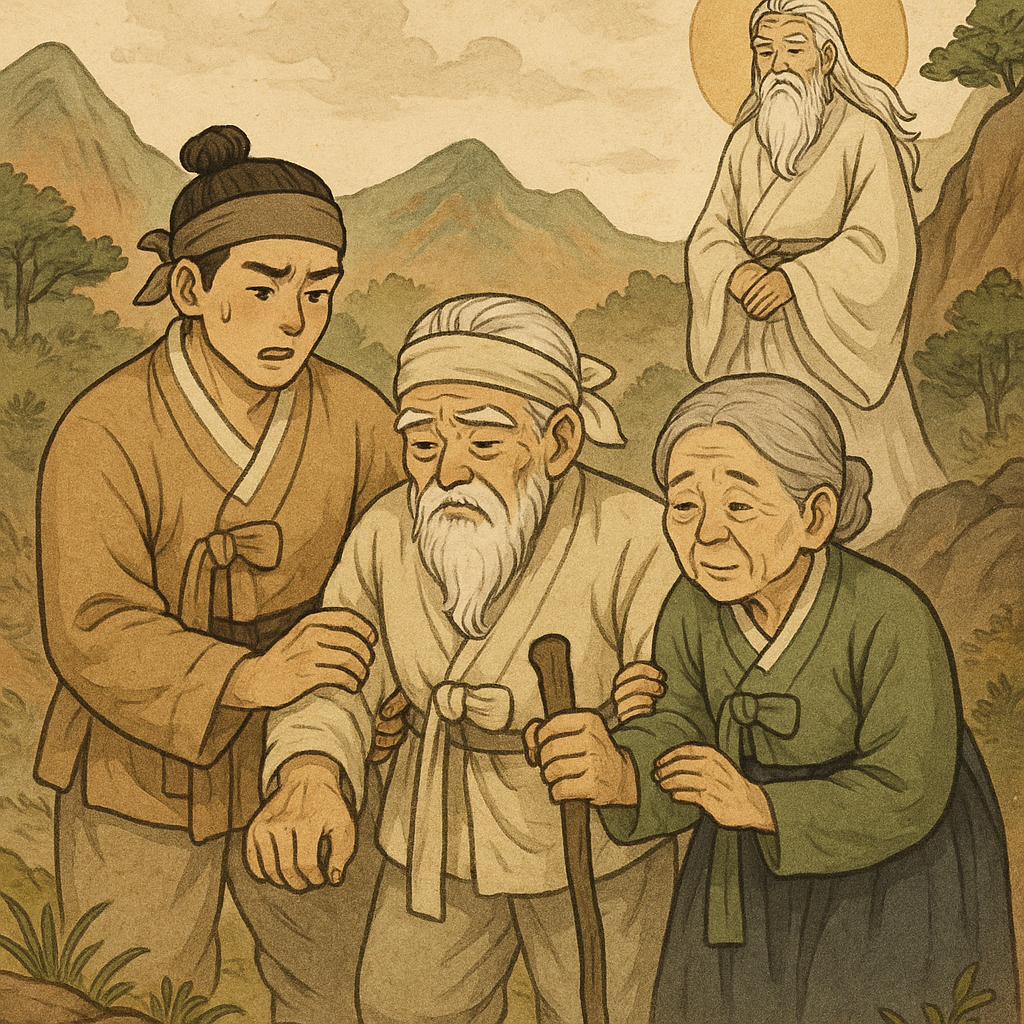
⛰️ Korean Folktale Series 87“The Legend of the Five Brothers of Obongsan”(오봉산 다섯 형제 전설 · Obongsan Daseot Hyeongje Jeonseol)🕰️ 1. The StoryLong ago, at the foot of Mount Obongsan, there lived five brothers who had lost their parents at a young age. Though poor, they shared a single house, a single pot, and a single promise:“Whatever happens, we will never turn our backs on one another.”Each brot..

Korean Traditional Game : Didilbanga Nori

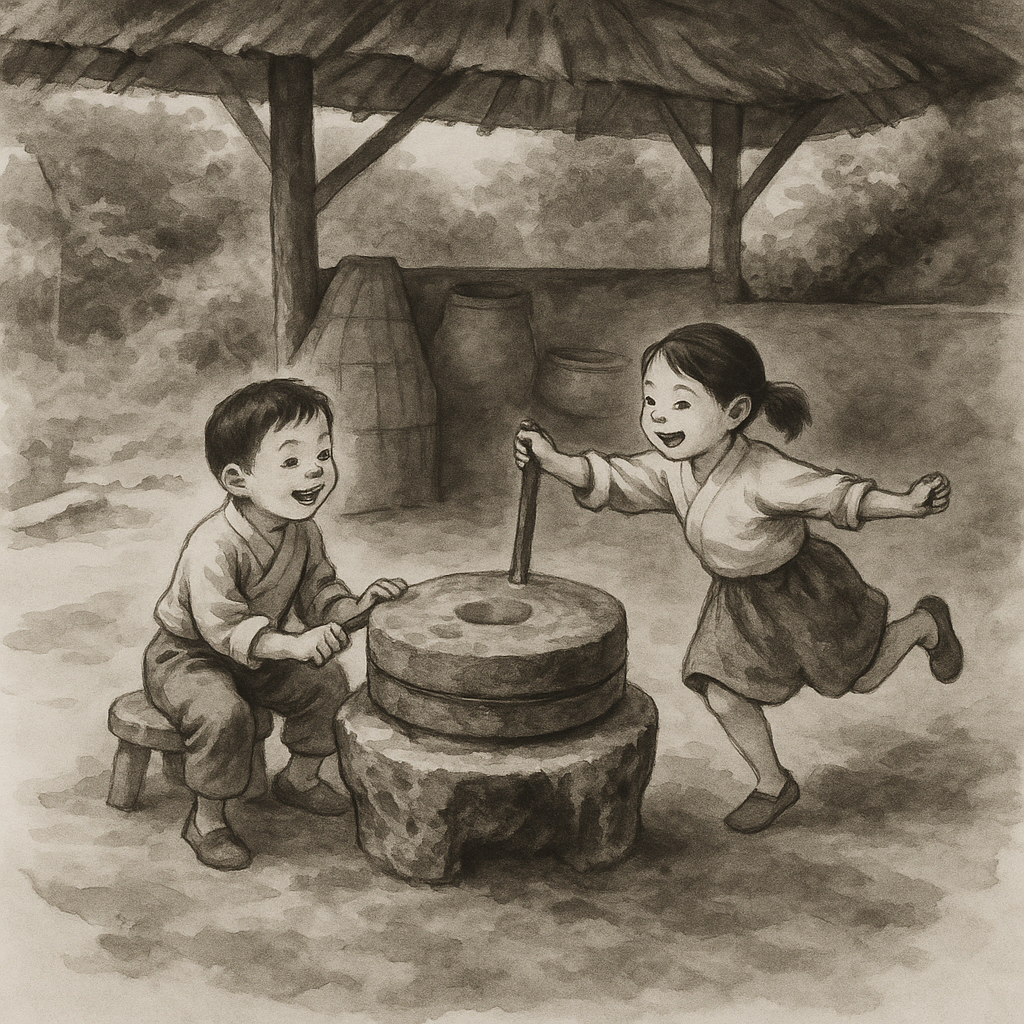
🌾 Korean Traditional Game Series 58Didilbanga Nori(디딜방아놀이 · Korean Treadle Mortar Play)🕰️ 1. IntroductionDidilbanga Nori (디딜방아놀이) is a traditional Korean folk play inspired by the didilbanga—a foot-powered wooden mortar once used to pound grains such as rice and millet.In agrarian villages, the rhythmic motion of the treadle was a familiar sound of daily life. Over time, this labor transformed..

Stories of Koreas National Treasures : Stupa of Buddhist Monk Cheolgam at Ssangbongsa Temple

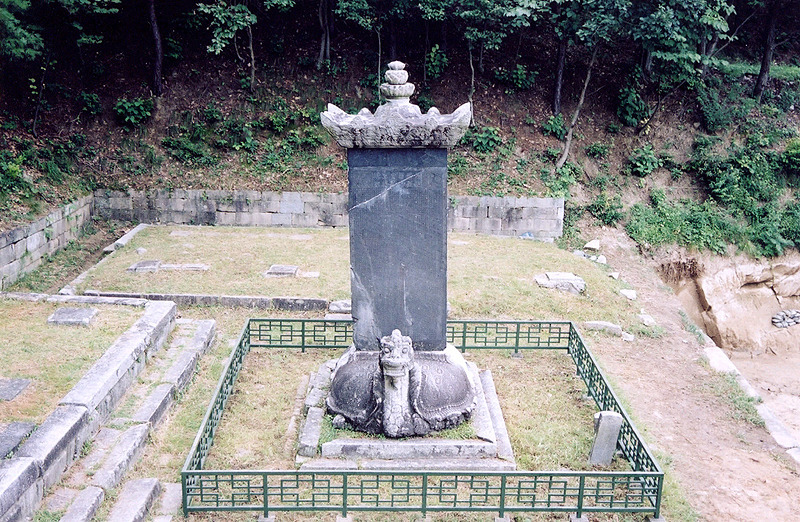
Stories of Korea’s National Treasures 58Photo Credit : Cultural Heritage Administration of KoreaStupa of Buddhist Monk Cheolgam at Ssangbongsa Temple(Hwasun, Jeollanam-do)🏯 1. A Stone Memorial to a Zen MasterAt the former site of Ssangbongsa Temple in Hwasun, stands the Stupa of Cheolgam Seonsa — a quiet stone monument dedicated to one of the most respected Zen masters of Late Unified Silla (9t..

Korean Proverb : Covering Ones Eyes and Saying Awoong

Korean Proverb Series 86Covering One’s Eyes and Saying “Awoong”“눈 가리고 아웅”(Nun garigo a-ung)🕰️ 1. The Proverb’s Core MeaningThe Korean proverb “눈 가리고 아웅” literally means“Covering one’s eyes and saying ‘awoong.’”It describes a situation where someone tries to deceive others with an obvious trick,pretending that a problem doesn’t exist or that the truth is hidden,even though everyone can clearly s..

Korean Folktale : Reunion by the Waterside

🌊 Korean Folktale Series 86 “Reunion by the Waterside”(물가에서 만난 환생 · Mulga-eseo Mannan Hwan-saeng)🕰️ 1. The StoryLong ago, beside a gentle river that curved like a ribbon through the hills, lived a fisherman named Do-yun. He was quiet by nature, preferring the sound of flowing water to the chatter of markets. Each dawn, he cast his net with care, never taking more than he needed.Years earlier, ..

Stories of Koreas National Treasures : Guksajeon Hall of Songgwangsa Temple

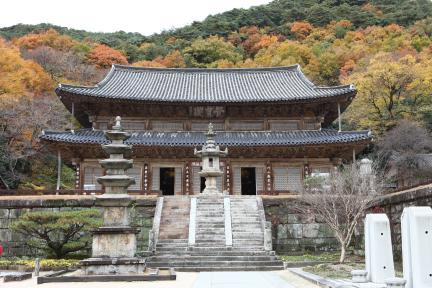
Stories of Korea’s National Treasures 57Photo Credit : Cultural Heritage Administration of KoreaGuksajeon Hall of Songgwangsa Temple(Suncheon, Jeollanam-do)🏯 1. A Hall Honoring Enlightened TeachersWithin the serene grounds of Songgwangsa Temple, nestled on the slopes of Jogyesan Mountain, stands Guksajeon Hall — a sacred space dedicated not to Buddhas, but to great monks who guided the nation t..

Korean Traditional Game : Sogup Nori

🍲 Korean Traditional Game Series 56Sogup Nori(소꿉놀이 · Korean Pretend Cooking Play)🕰️ 1. IntroductionSogup Nori (소꿉놀이) is one of Korea’s most beloved traditional pretend-play games, centered on cooking, family roles, and everyday life.Using small pots, bowls, leaves, stones, and mud, children recreated the rhythms of home — preparing meals, sharing food, and caring for one another through imagin..

Korean Folktale : The Story of the Sacred Straw Rope

🧵 Korean Folktale Series 84“The Story of the Sacred Straw Rope”(지킴이 금줄 이야기·Jimigi Geumjul Iyagi)🕰️ 1. The StoryLong ago, in a quiet village surrounded by mountains and streams, there lived a community that believed deeply in the unseen boundaries of the world. When a child was born, when illness threatened a home, or when something sacred needed protection, the villagers tied a straw rope call..