learnkoreanculture 292

Korean Traditional Game : Guseulchigi

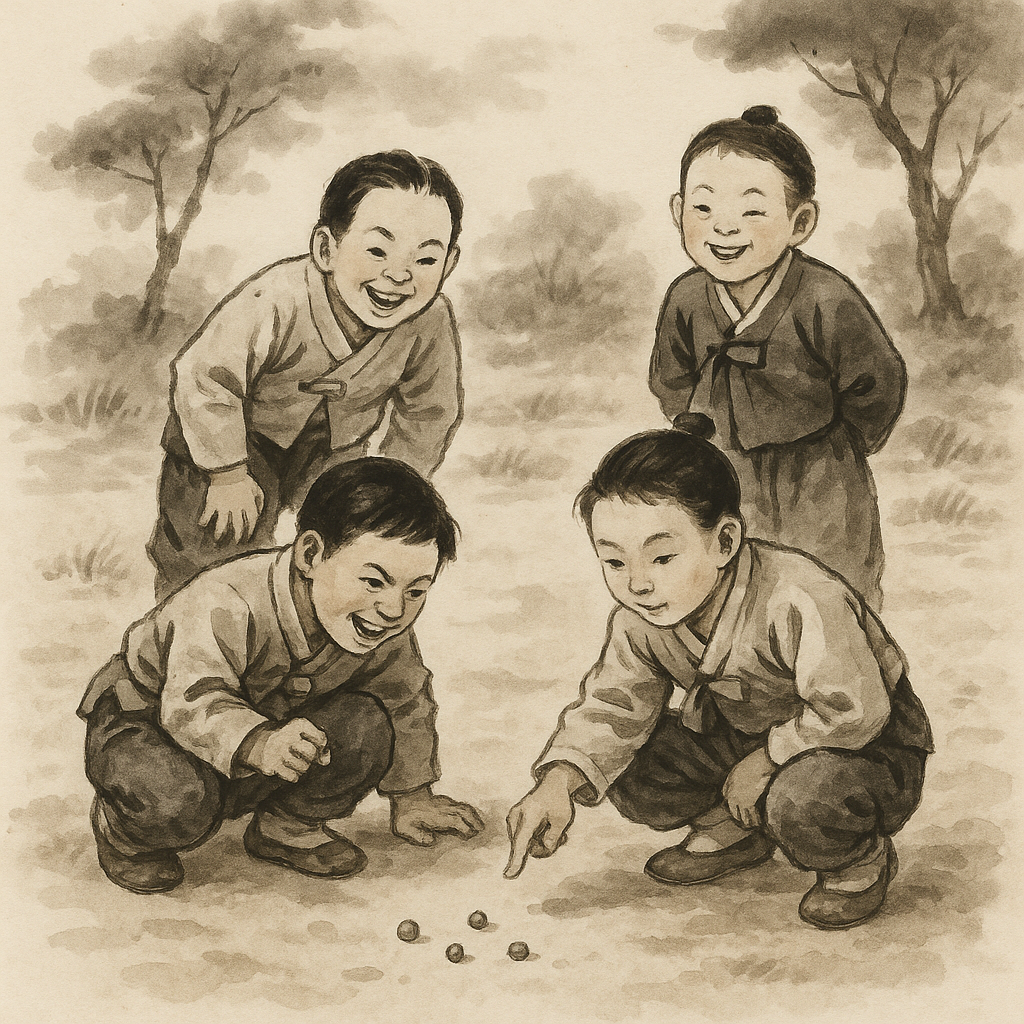
🍂 Korean Traditional Game Series 64Guseulchigi(구슬치기 · Marbles Game) 🕰️ 1. The GameGuseulchigi (구슬치기) is a traditional Korean children’s game played with small glass marbles.Simple in appearance yet full of skill, the game requires precision, focus, and a steady hand.Children would gather in schoolyards, alleys, or playgrounds, each carrying their own collection of colorful marbles.The goal is ..
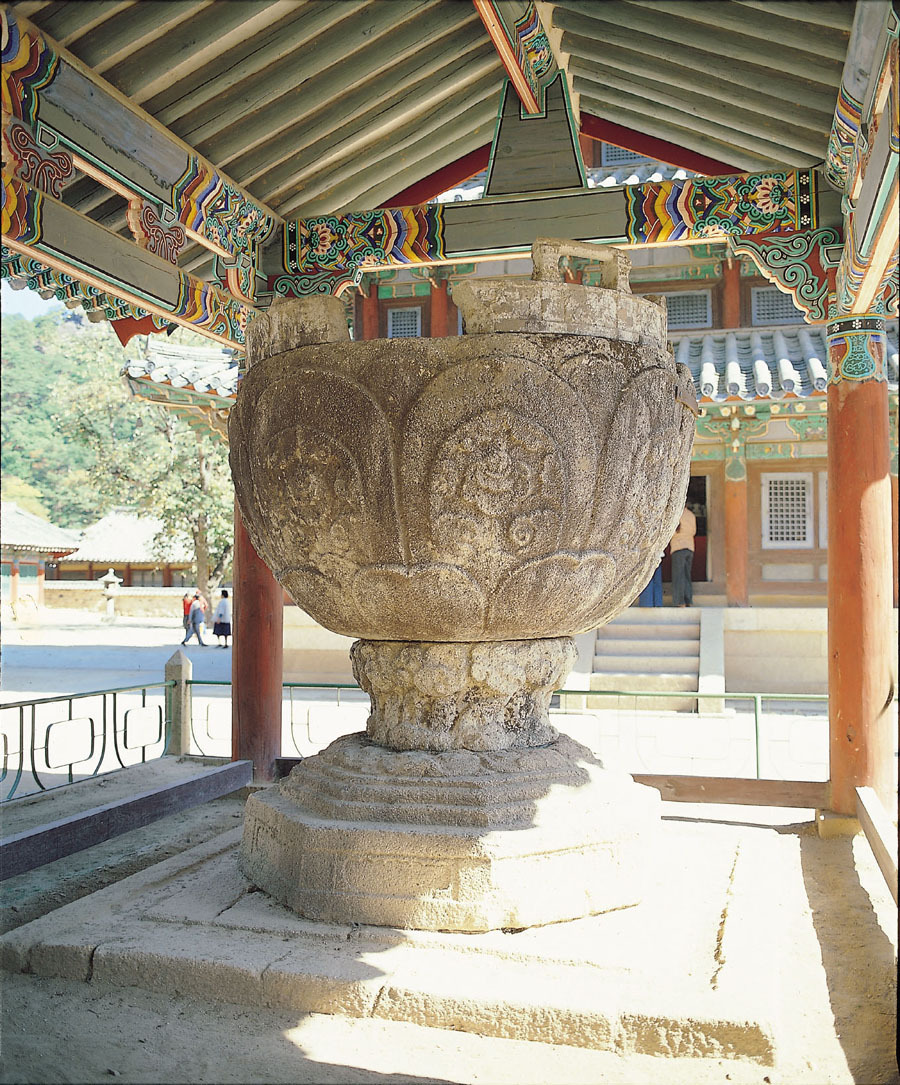
Stories of Koreas National Treasures : Stone Lotus Basin of Beopjusa Temple

Stories of Korea’s National Treasures 65Photo Credit : Cultural Heritage Administration of KoreaStone Lotus Basin of Beopjusa Temple(Boeun, Chungcheongbuk-do)🏯 1. A Lotus Blooming in StoneAt Beopjusa Temple in Boeun, there rests a quiet yet captivating object — the Stone Lotus Basin, a masterpiece that transforms simple stone into a symbol of purity and awakening.Believed to have been created d..

Korean Folktale : The Story of the Nameless Tombstone

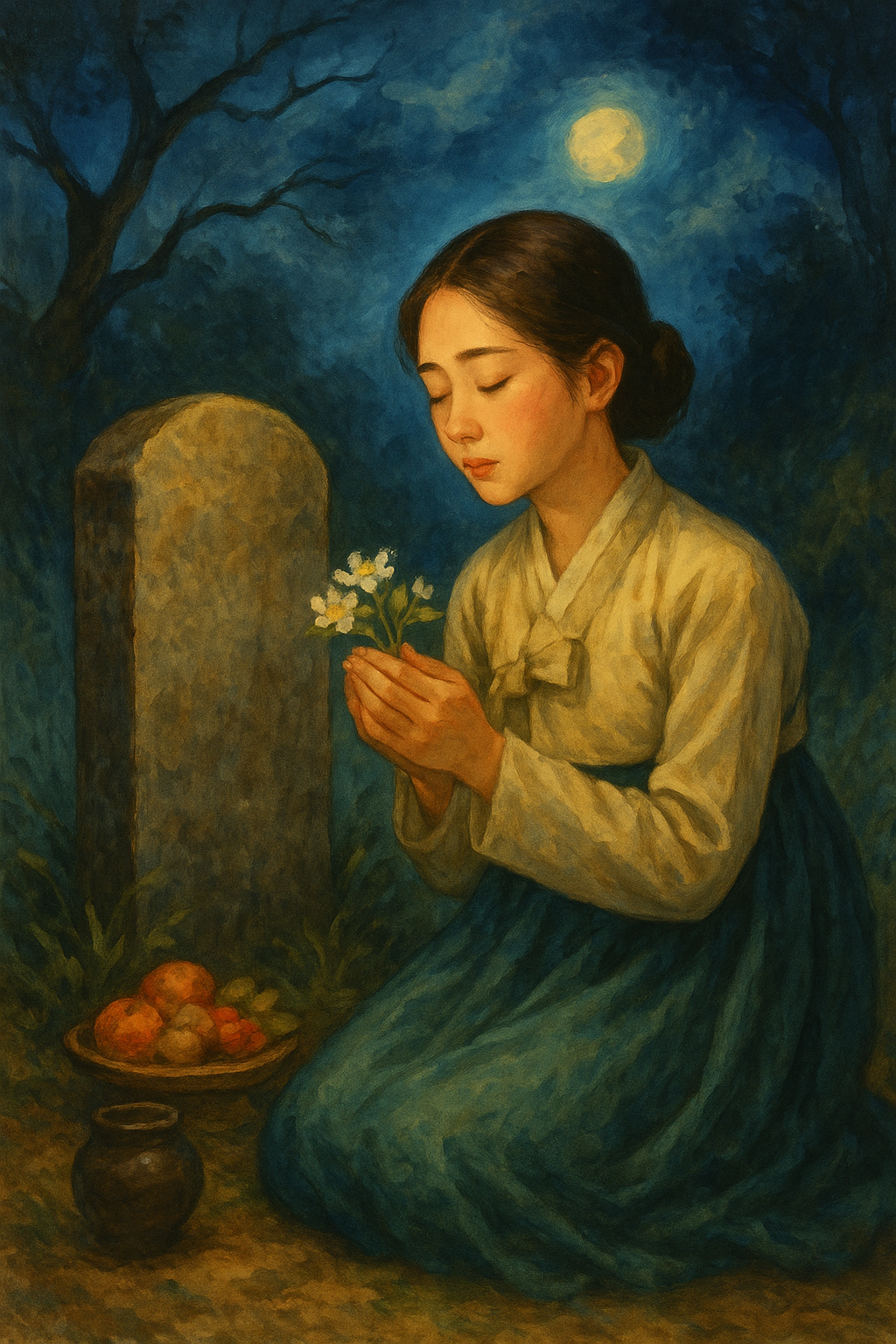
Korean Folktale Series 93“The Story of the Nameless Tombstone”(무명 묘비의 사연 · Mumyeong Myobi-ui Sayeon)🕰️ 1. The StoryLong ago, on a quiet hillside overlooking a small village, there stood a lonely grave. Unlike the others, it bore no name—only a simple stone worn smooth by wind and rain.Villagers passed it without much thought, calling it simply the nameless tomb. Yet there was something strange ..

Korean Traditional Game : Dwaeji Molli Nori

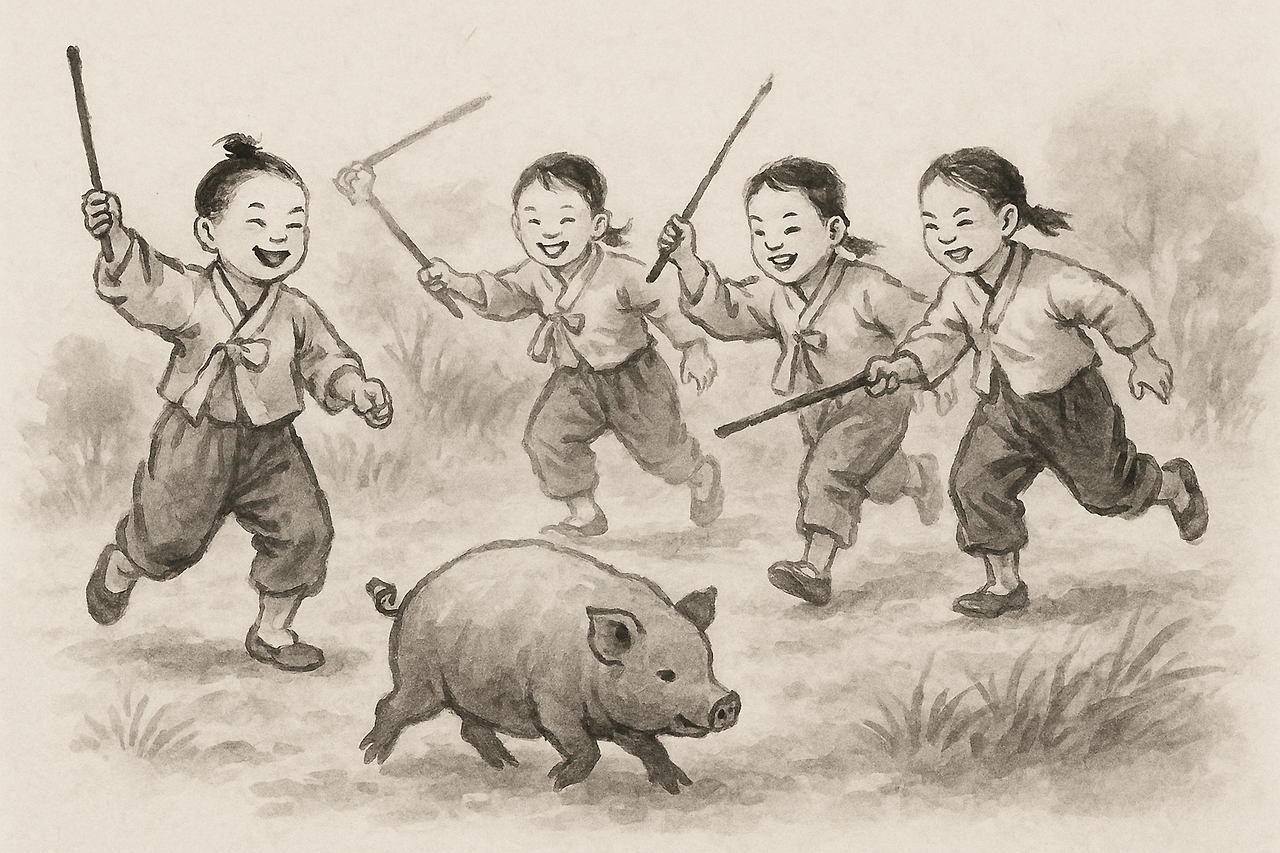
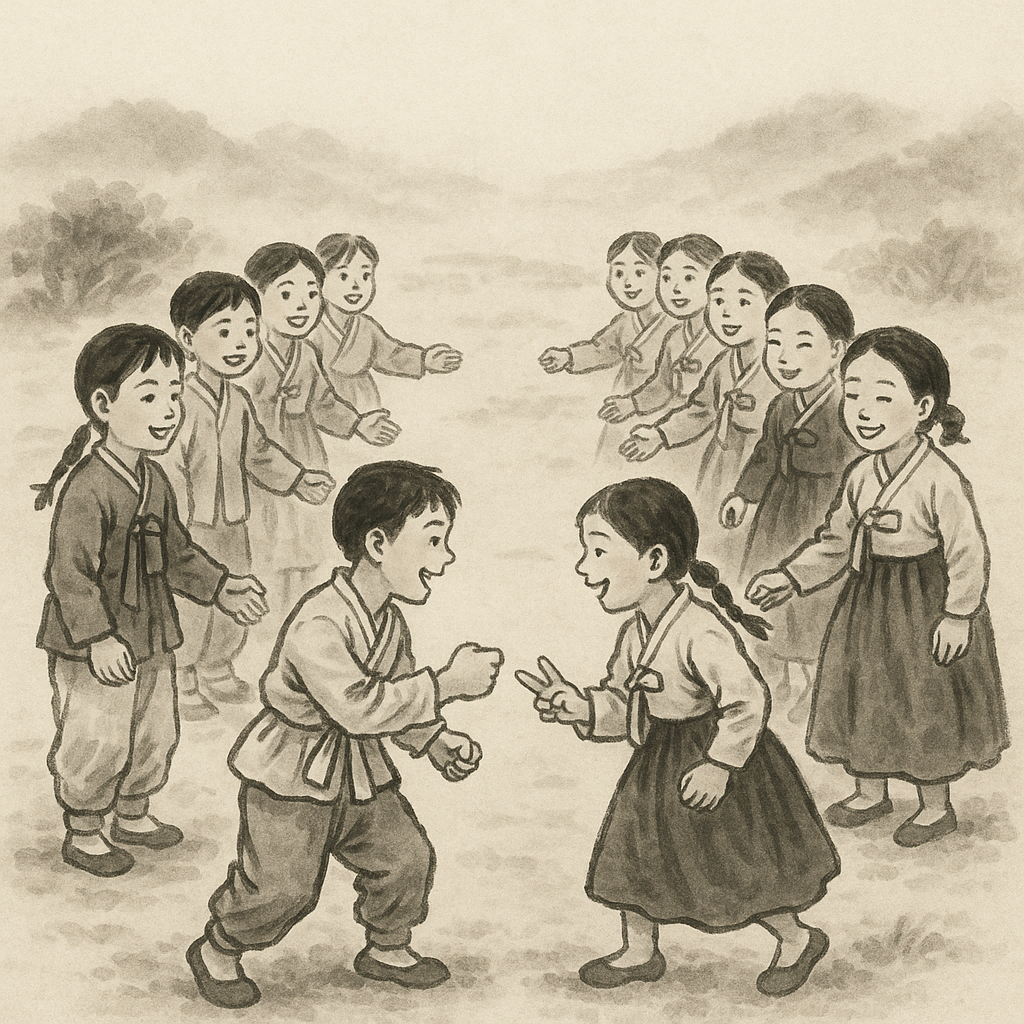
🍂 Korean Traditional Game Series 63Dwaeji Molli Nori(돼지몰이놀이 · Pig Herding Game) 🕰️ 1. The GameDwaeji Molli Nori is a traditional Korean outdoor group game inspired by the act of herding pigs.In rural communities, children often observed how animals were guided and controlled, and this game playfully recreates that experience. One player takes the role of the “pig,” while the others act as herd..

Korean Folktale : The Sea God of Jang Bogo

🌊 Korean Folktale Series 92 “The Sea God of Jang Bogo”(장보고의 바다신 전설 · Jang Bogo-ui Badasin Jeonseol)🕰️ 1. The StoryLong ago, during the days of the Unified Silla, there lived a man whose name would echo across the seas—Jang Bogo, the great maritime leader.He was not born into power, but rose through courage and vision, building a vast network of ships and trade routes that connected distant lan..

Korean Folktale : The Woman Who Lived in the Shamans Shrine

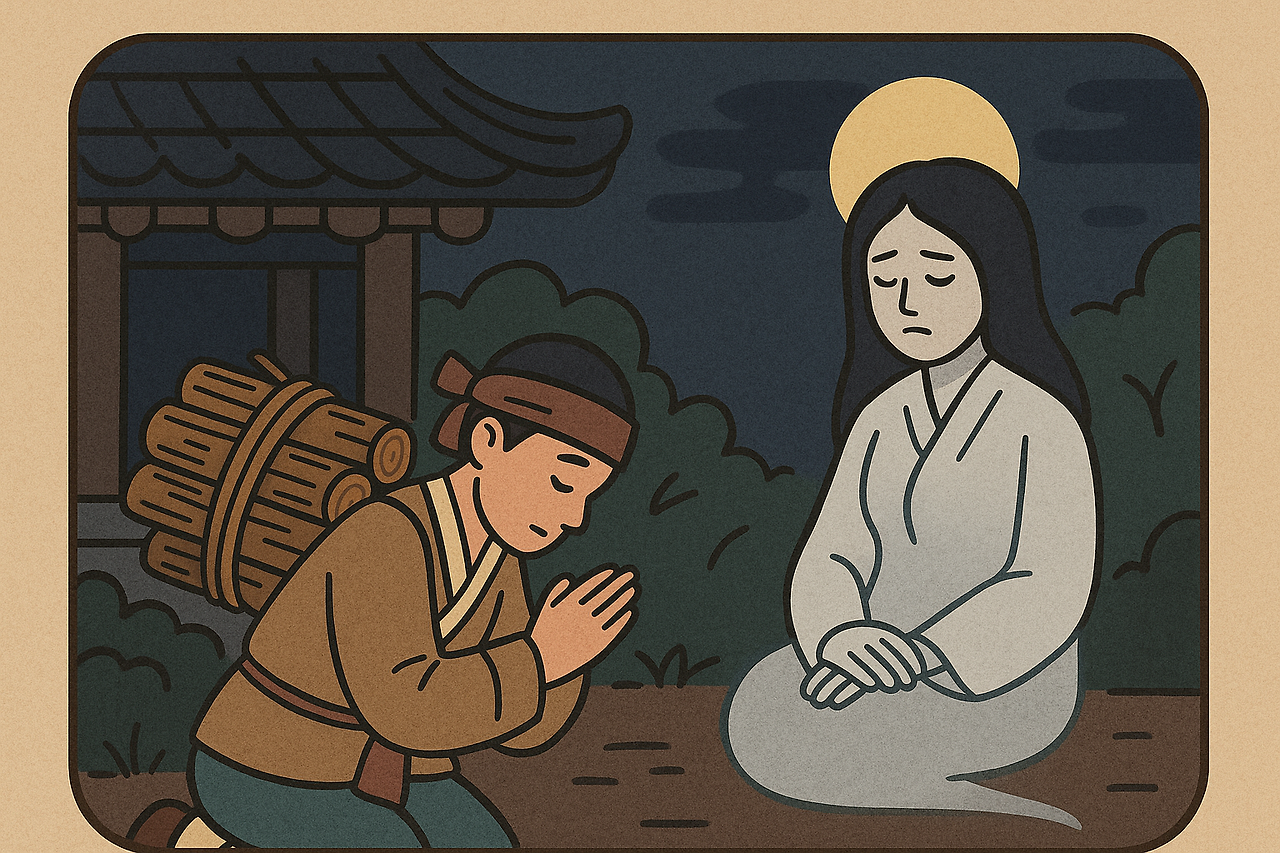
🪶 Korean Folktale Series 91The Woman Who Lived in the Shamans Shrine(굿당에 사는 여인 · Gutdang-e Saneun Yeoin)🕰️ 1. The StoryLong ago, on the edge of a quiet village, there stood an old shaman’s shrine—a gutdang where rituals were performed to speak with spirits and calm restless souls.The villagers respected the place, but few dared to visit after sunset. They whispered that a mysterious woman in w..

Korean Traditional Game : Dukkebi-jip Jitgi

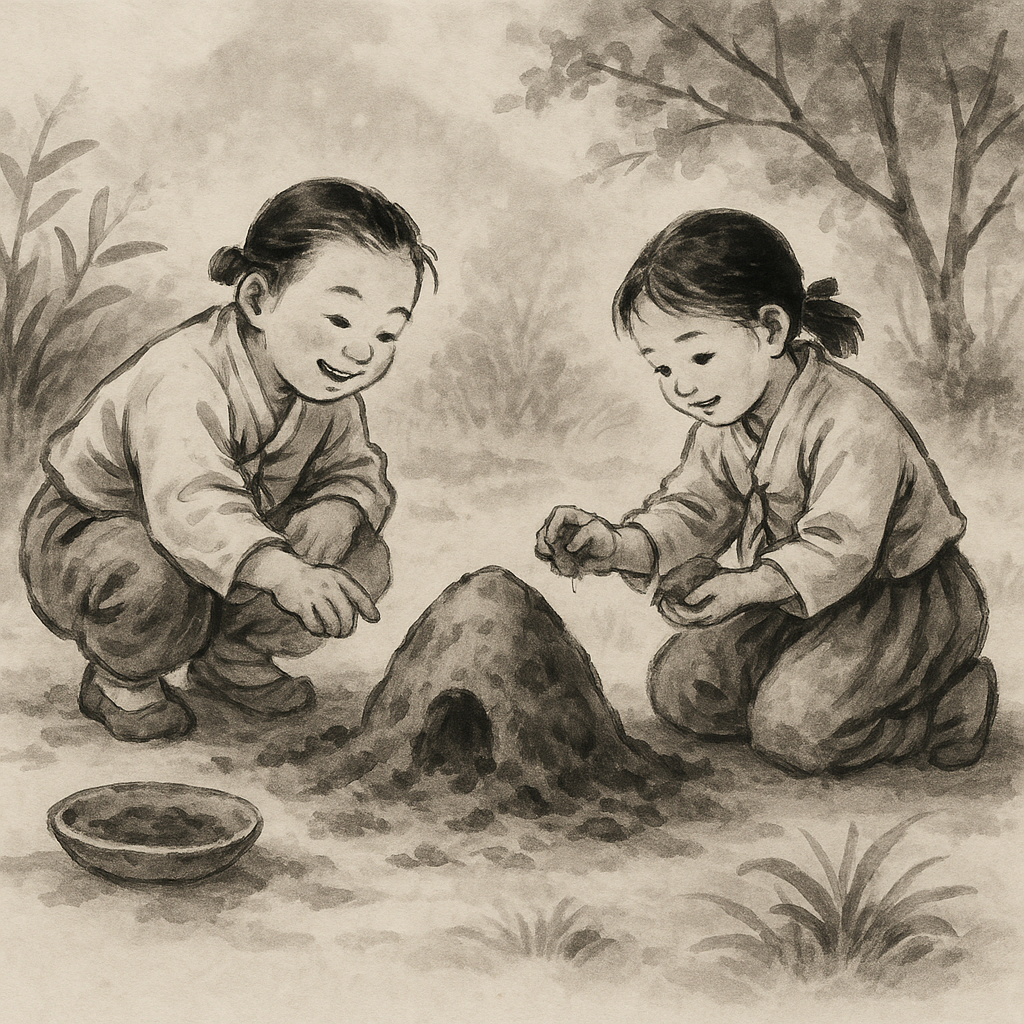
🏠 Korean Traditional Game Series 62 Dukkebi-jip Jitgi(두꺼비집짓기 · Korean Mud House Building Play)🕰️ 1. IntroductionDukkebi-jip Jitgi (두꺼비집짓기), or Mud House Building Play, is a nostalgic Korean children’s game where kids build small houses using dirt, water, and imagination.The “dukkebi-jip” (toad house) refers to a rounded mud structure, often shaped like a tiny dome or mound, resembling a toad’s..

Korean Folktale : The Wolf and the Third Child

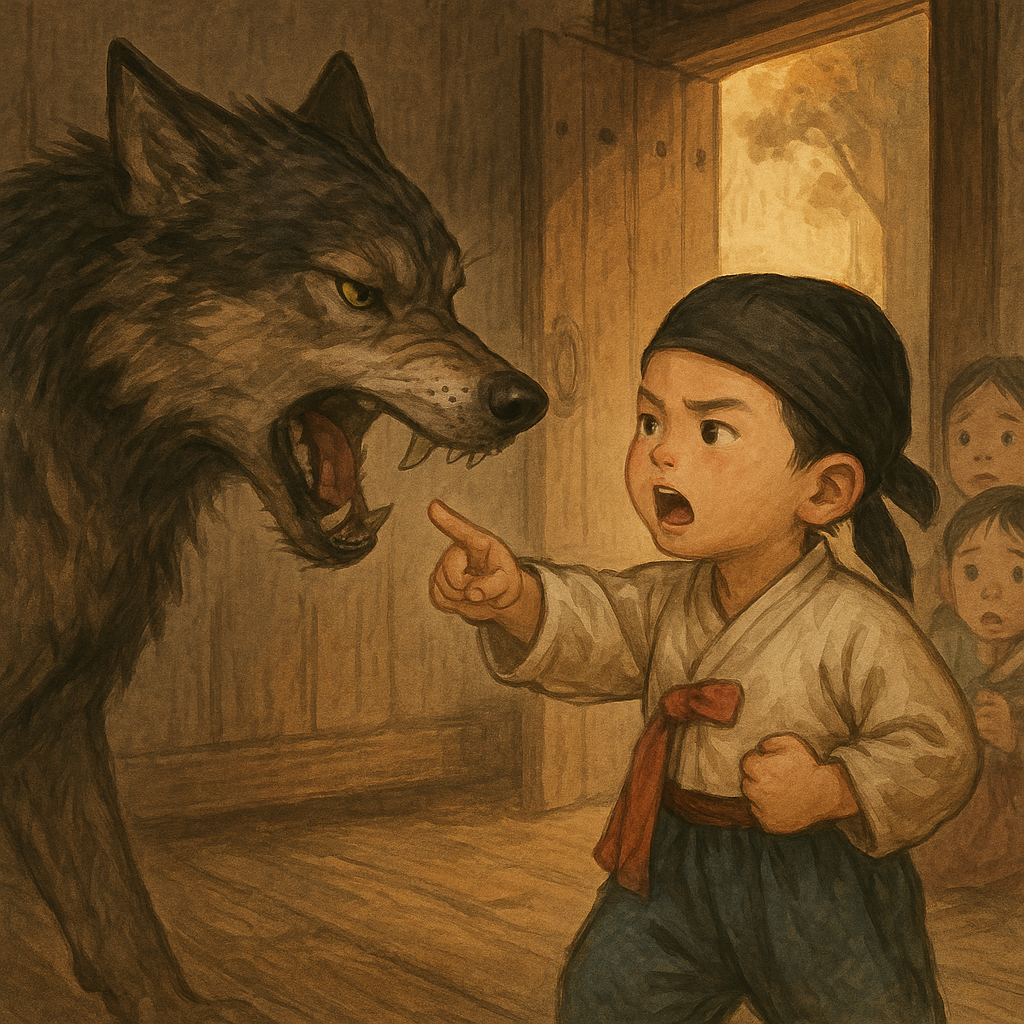
🐺 Korean Folktale Series 90 The Wolf and the Third Child(늑대와 셋째 아이·Neukdae-wa Setjjae Ai)🕰️ 1. The StoryLong ago, in a village nestled between thick forests and wide fields, there lived a poor family with three children. The eldest was strong, the second clever, and the youngest—often called simply the third child—was quiet and thoughtful.Because the youngest spoke little, many villagers beli..

Korean Traditional Game : kot Chajgi Nori

🌸 Korean Traditional Game Series 61 Kkot Chajgi Nori(꽃찾기놀이 · Korean Flower Finding Game)🕰️ 1. IntroductionKkot Chajgi Nori (꽃찾기놀이), or Flower Finding Game, is a gentle and joyful Korean children’s play that celebrates curiosity and nature.Traditionally played in fields, gardens, or village paths during spring and summer, the game encourages children to observe flowers, colors, and scents while..

한국의 국보 : 청자 상감운학문 매병

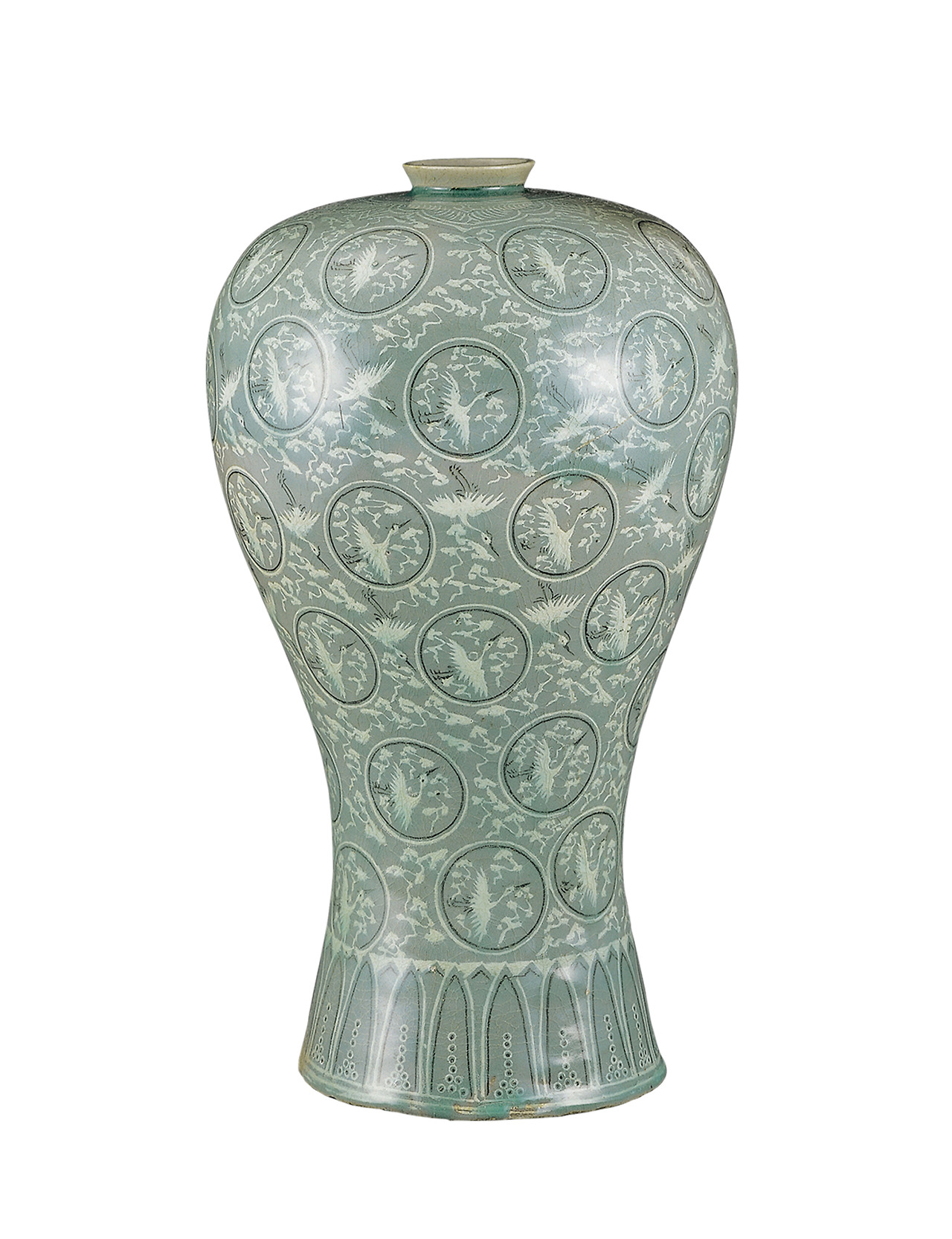
한국의 국보 이야기 시리즈 69사진출처 : 국가유산청📚 청자 상감운학문 매병📍 소장: 국립중앙박물관⏳ 시대: 고려 시대(12세기)✨ 1. 역사와 개요고려 시대는 세계 도자사에서도 손꼽히는 청자 예술의 황금기였습니다. 그 가운데 **국보 69호 ‘청자 상감운학문 매병’**은 고려 상감청자의 아름다움을 가장 대표적으로 보여주는 걸작으로 평가됩니다. ‘매병(梅甁)’은 입이 좁고 어깨가 풍만하며 아래로 갈수록 부드럽게 좁아지는 독특한 형태의 병으로, 원래는 매화 가지를 꽂거나 술을 담는 용도로 사용되었습니다. 이 매병에는 구름 사이를 나는 학의 모습이 상감 기법으로 표현되어 있어 고려인의 이상적 세계관과 자연에 대한 미감을 동시에 담고 있습니다.🏛️ 2. 구조와 특징청자 상감운학문 매병은 형태의 균형과 장..