learnkoreanculture 292

Stories of Koreas National Treasures : Guksajeon Hall of Songgwangsa Temple

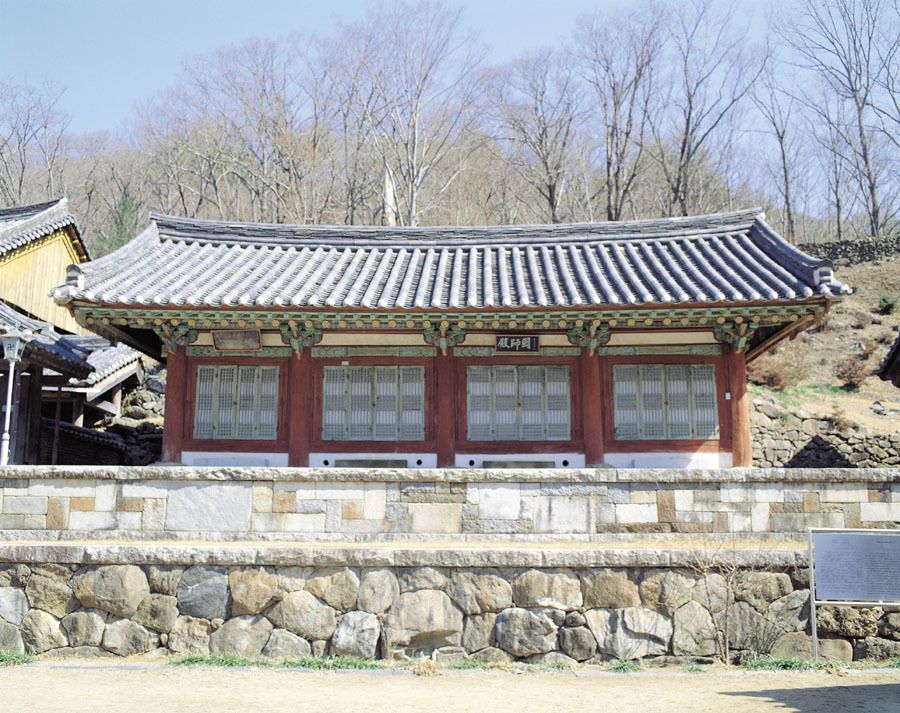
Stories of Korea’s National Treasures 57Photo Credit : Cultural Heritage Administration of KoreaGuksajeon Hall of Songgwangsa Temple(Suncheon, Jeollanam-do)🏯 1. A Hall Honoring Enlightened TeachersWithin the serene grounds of Songgwangsa Temple, nestled on the slopes of Jogyesan Mountain, stands Guksajeon Hall — a sacred space dedicated not to Buddhas, but to great monks who guided the nation t..

Korean Traditional Game : Sogup Nori

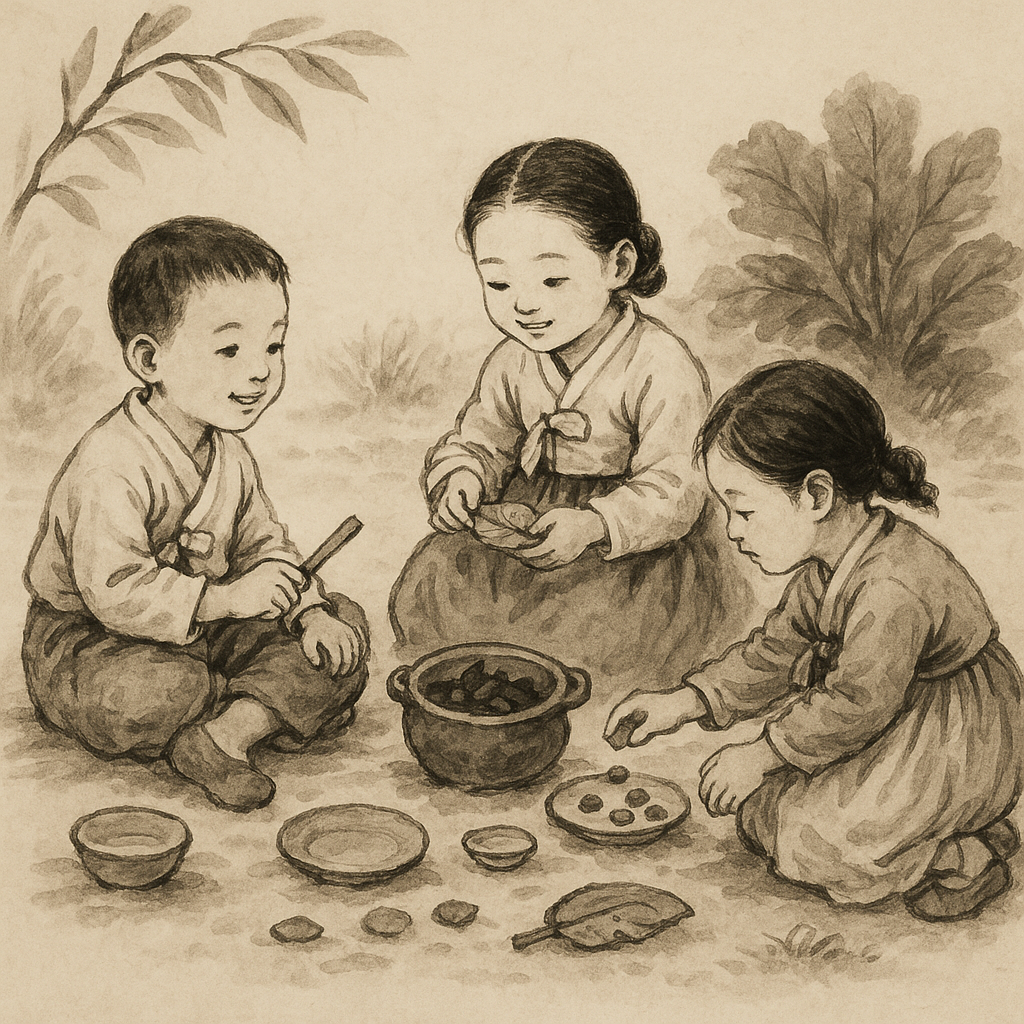
🍲 Korean Traditional Game Series 56Sogup Nori(소꿉놀이 · Korean Pretend Cooking Play)🕰️ 1. IntroductionSogup Nori (소꿉놀이) is one of Korea’s most beloved traditional pretend-play games, centered on cooking, family roles, and everyday life.Using small pots, bowls, leaves, stones, and mud, children recreated the rhythms of home — preparing meals, sharing food, and caring for one another through imagin..

Korean Folktale : The Story of the Sacred Straw Rope

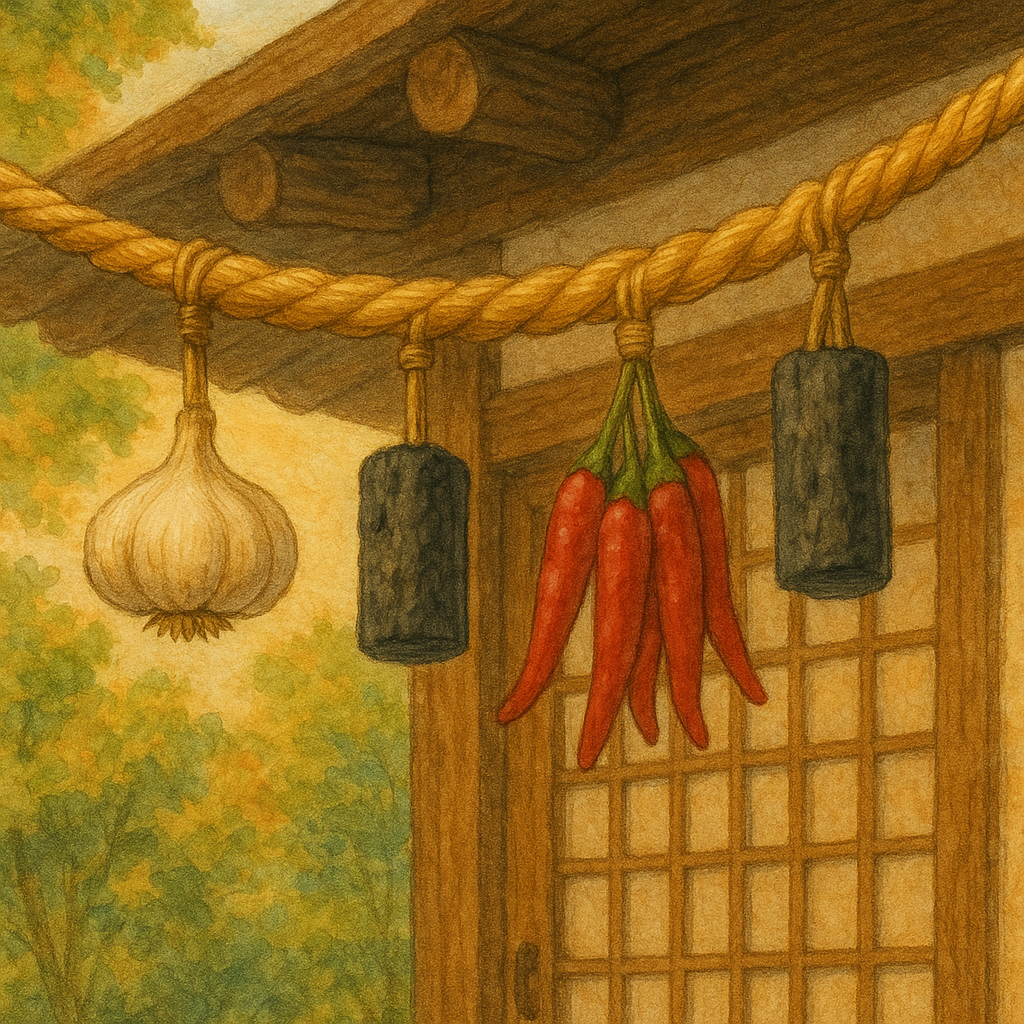
🧵 Korean Folktale Series 84“The Story of the Sacred Straw Rope”(지킴이 금줄 이야기·Jimigi Geumjul Iyagi)🕰️ 1. The StoryLong ago, in a quiet village surrounded by mountains and streams, there lived a community that believed deeply in the unseen boundaries of the world. When a child was born, when illness threatened a home, or when something sacred needed protection, the villagers tied a straw rope call..

Korean Traditional Game : Korean Dragon Play

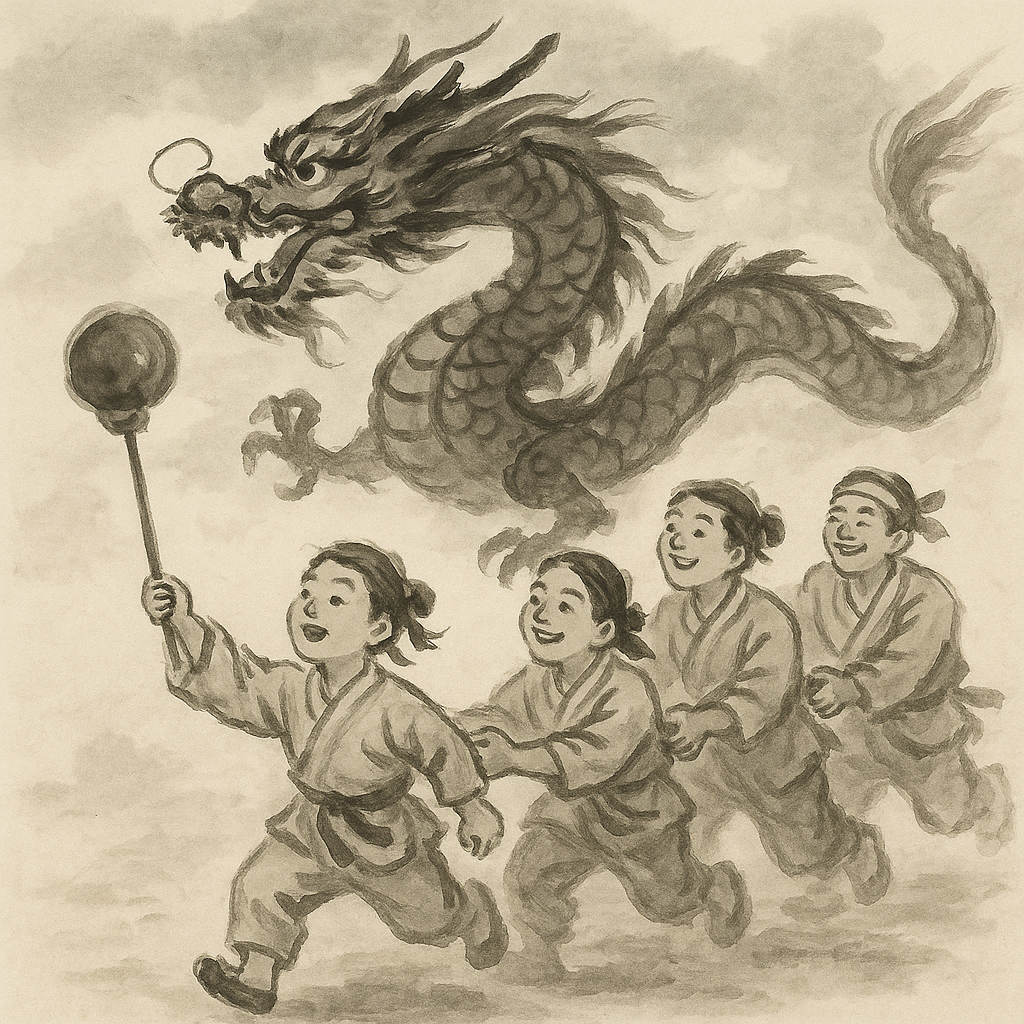
🐉 Korean Traditional Game Series 55Yong Nori(용놀이 · Korean Dragon Play)🕰️ 1. IntroductionYong Nori (용놀이), or Dragon Play, is a vibrant Korean traditional performance game inspired by the dragon (yong), a sacred creature believed to control rain, water, and prosperity.In agrarian Korea, dragons symbolized hope for good harvests and protection from droughts and disasters.Performed during village ..

Korean Traditional Game : San-gaji Nori

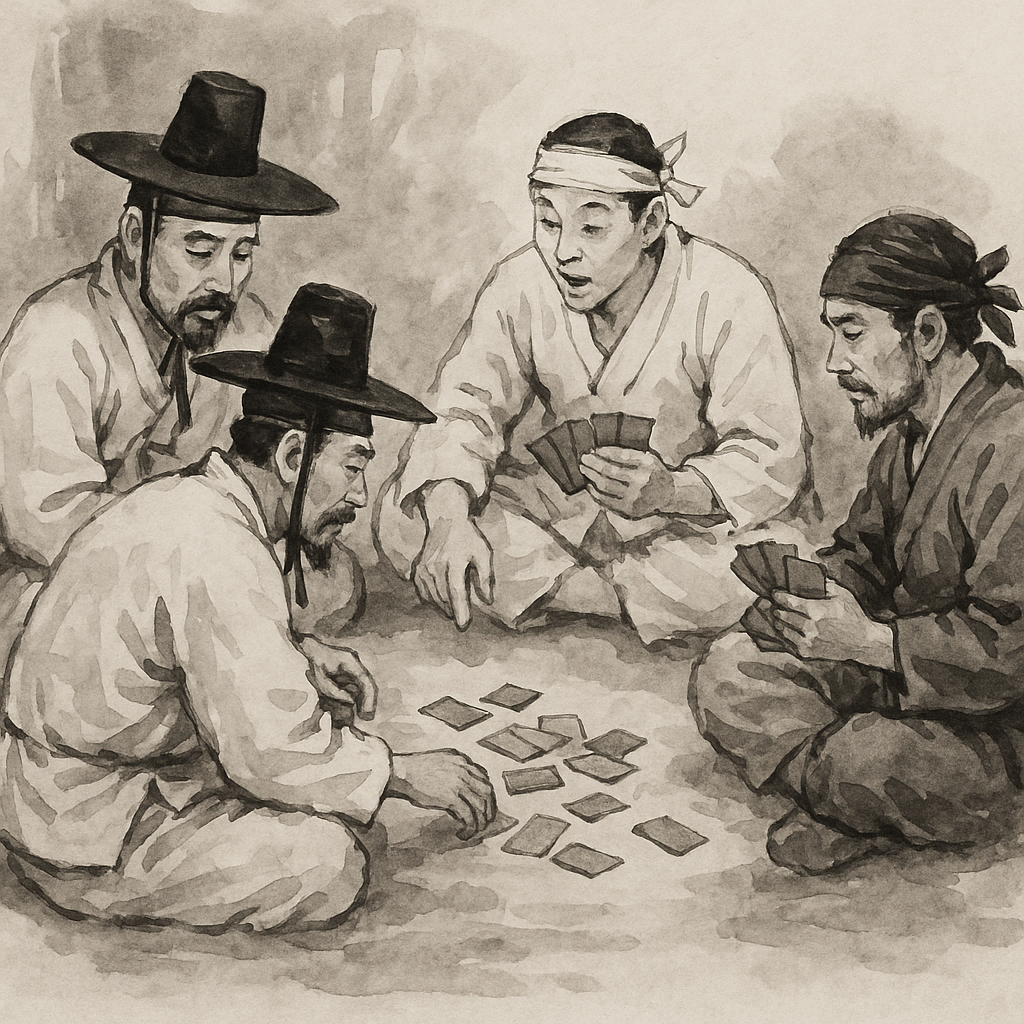
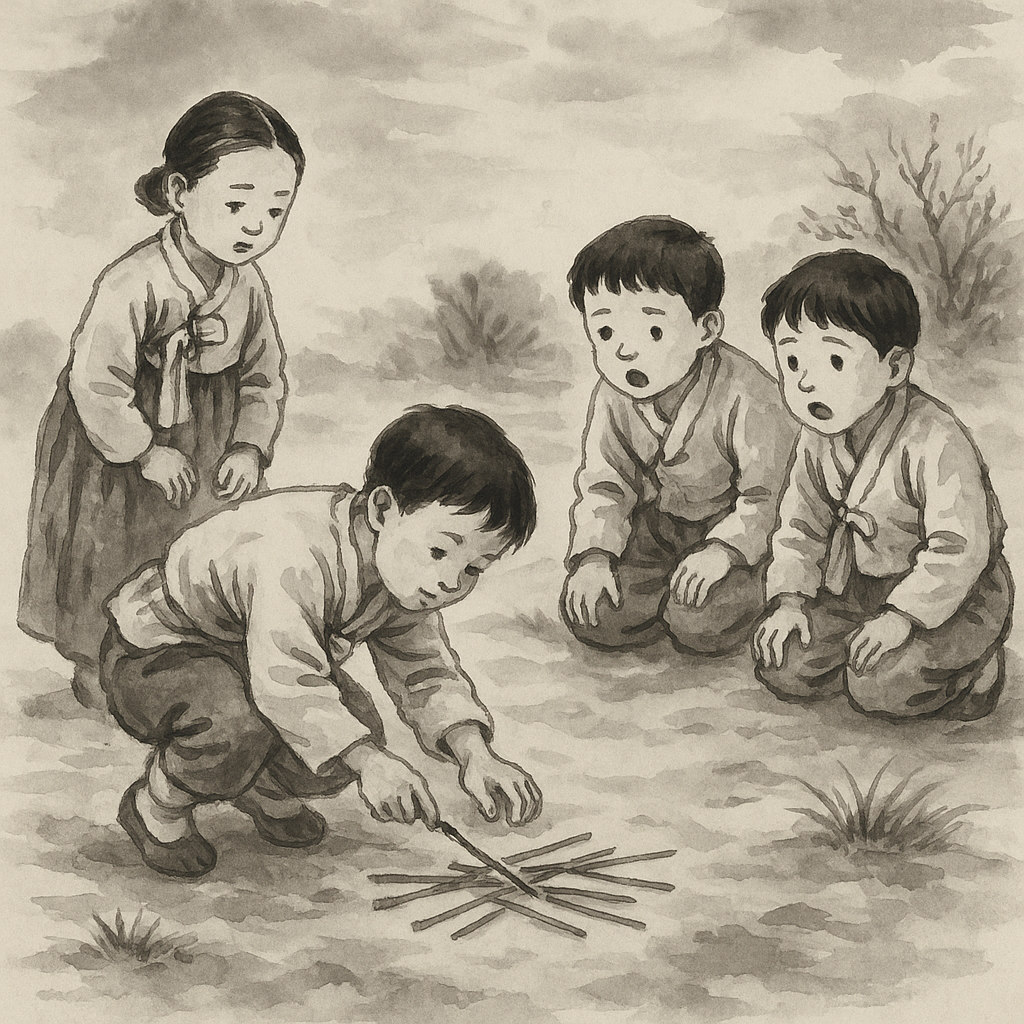
🌿 Korean Traditional Game Series 54 San-gaji Nori(산가지놀이 · Korean Counting Stick Game)🕰️ 1. IntroductionSan-gaji Nori (산가지놀이) is a traditional Korean thinking game played with thin sticks, twigs, or bamboo pieces.The word san-gaji refers to small branches or counting sticks, and the game itself is rooted in logical thinking, prediction, and playful competition.Often enjoyed indoors on quiet aft..

한국의 국보 : 청자 어룡형 주전자

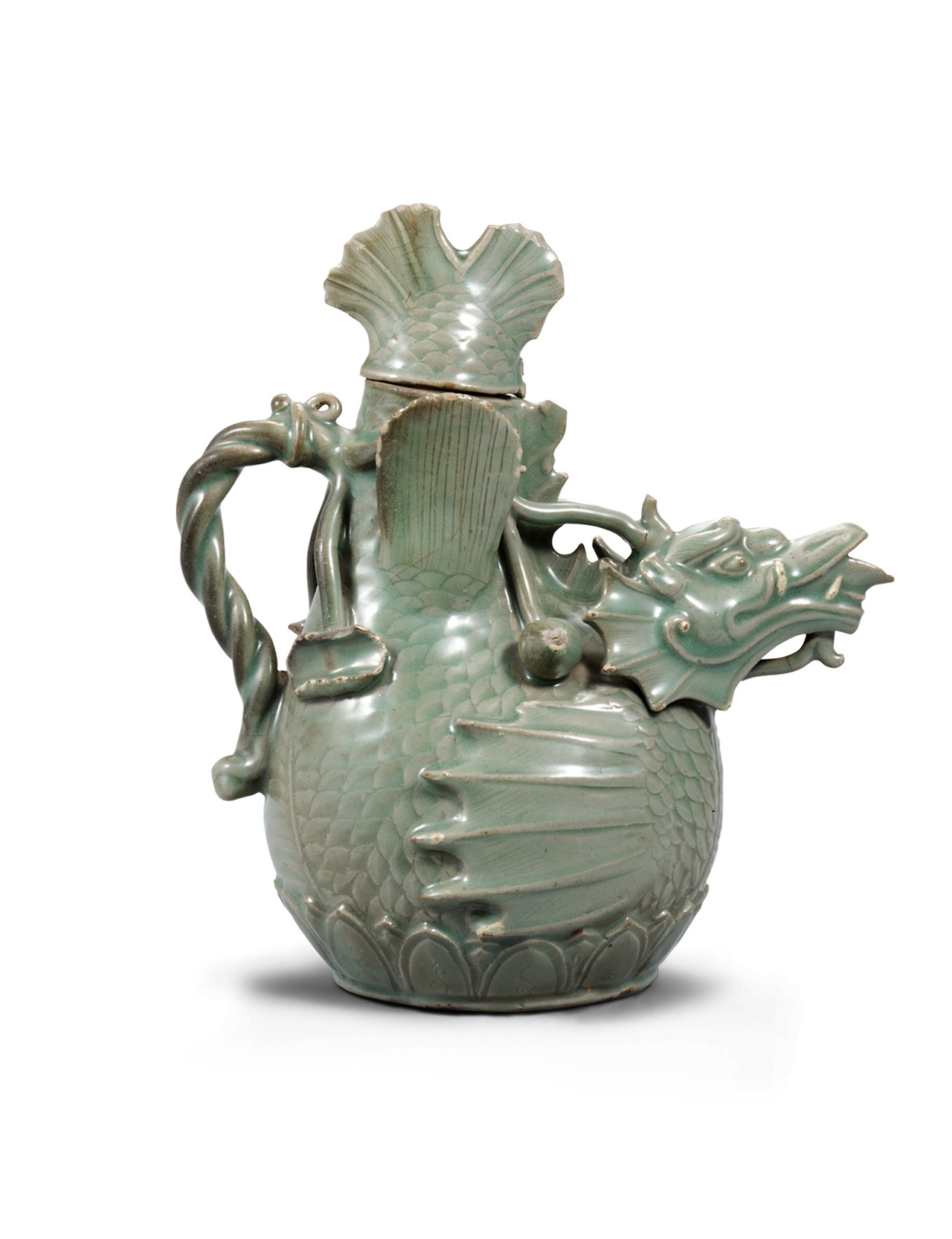
한국의 국보 이야기 시리즈 62사진출처 : 국가유산청📚 청자 어룡형 주전자📍 시대: 고려 시대(12세기)⏳ 소장: 국립중앙박물관✨ 1. 역사와 개요고려 시대는 청자 예술이 가장 찬란하게 꽃피운 시기로, 실용성과 상징성, 그리고 상상력이 하나로 어우러진 작품들이 다수 제작되었습니다. 그중 **국보 62호 ‘청자 어룡형 주전자’**는 물고기와 용이 결합된 독특한 형상을 지닌 주전자로, 고려 청자의 창의성과 조형 감각을 가장 극적으로 보여주는 걸작입니다. ‘어룡(魚龍)’은 물속의 생명인 물고기와 하늘의 존재인 용이 결합된 상상 속 존재로, **출세·변화·길상(吉祥)**을 상징합니다. 이 주전자는 단순한 생활용기를 넘어 고려 귀족 사회의 세계관과 미의식을 담은 상징적 공예품으로 평가받습니다.🏛️ 2. 구조..

Korean Proverb : Rice Cake in a Painting

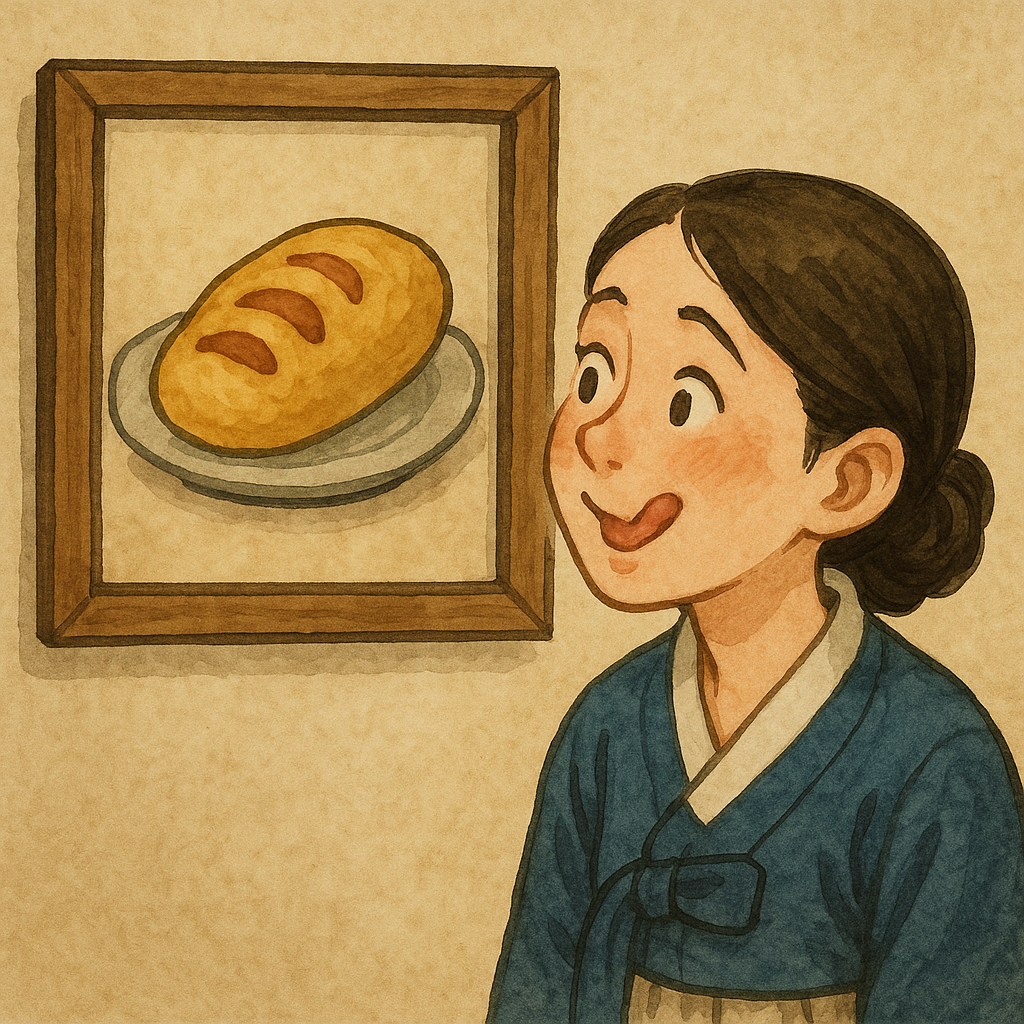
Korean Proverb Series 82Rice Cake in a Painting“그림의 떡”(Geurim-ui tteok)🕰️ 1. The Proverb’s Core MeaningThe Korean proverb “그림의 떡” literally means“Rice cake in a painting.”It refers to something that looks attractive but cannot be used or enjoyed —a beautiful illusion with no practical value.Just like a painted rice cake cannot satisfy hunger,some promises or opportunities exist only in appearan..

Korean Folktale : The Tears of the Mirror Goddess

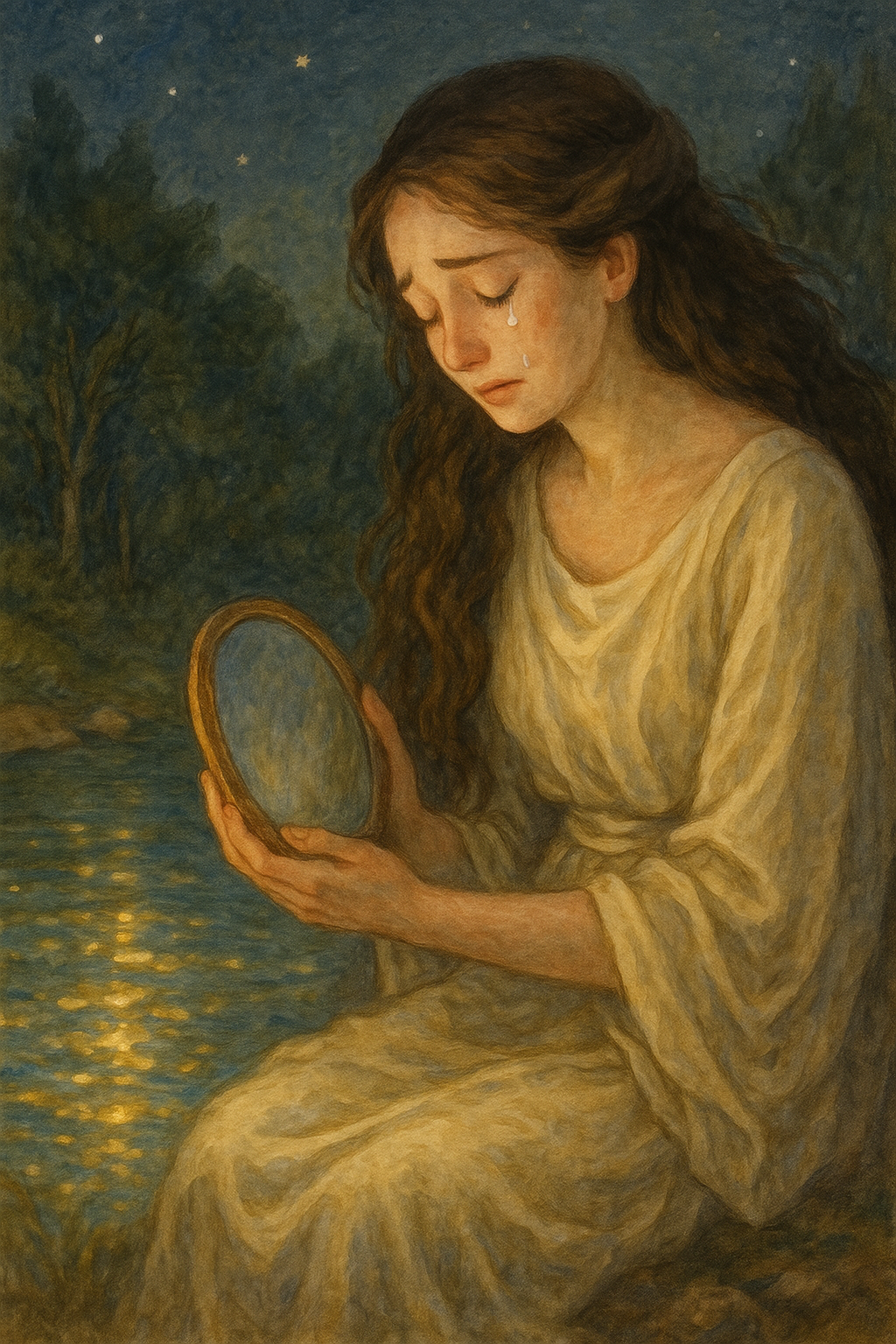
🪞 Korean Folktale Series 82 “The Tears of the Mirror Goddess”(거울 여신의 눈물 · Geoul Yeosin-ui Nunmul)🕰️ 1. The StoryLong ago, in a land where mountains touched the clouds, there stood a secluded shrine known as the Hall of Mirrors. At its heart rested a sacred mirror said to hold the truth of all who gazed into it. The villagers believed the mirror was guarded by the Mirror Goddess, a quiet deity ..

한국의 위인들 : 이사부

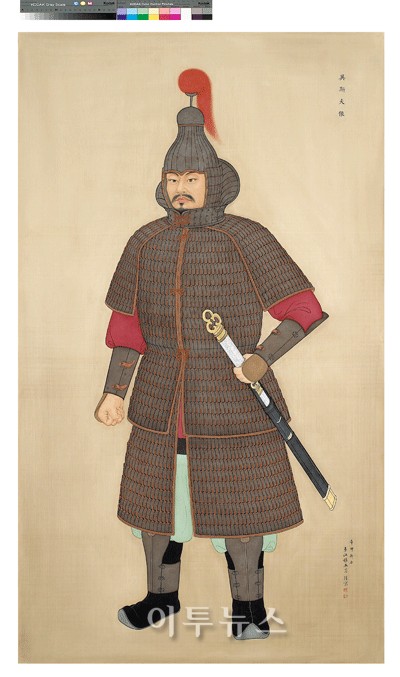
한국의 위인들 2사진출처 : 국가표준영정이사부- 바다로 나라의 경계를 넓힌 사람 -🕰️ 1. 시대의 문을 열며지금처럼 지도가 정확하지 않았던 시절, 나라의 경계는 선으로 그려진 것이 아니라 누가 다녀왔고, 누가 지켜냈는가로 결정되었습니다. 신라가 아직 바다로 나아가는 일에 익숙하지 않았던 때, 한 인물이 조용히 역사의 무대에 등장합니다.그의 이름은 이사부입니다. 👤2. 이사부는 어떤 사람이었을까 이사부는 신라 지증왕 때의 장군이자 관리였습니다.그는 무력만 앞세운 장수가 아니라, 상황을 읽고 사람의 마음을 헤아릴 줄 아는 전략가였습니다. 이사부는 전쟁을 피할 수 있다면 굳이 피를 흘리지 않아도 된다고 여겼고, 싸워야 한다면 반드시 이길 수 있는 방식을 선택한 인물이었습니다.🐚🌊 3. 우산국 정벌, ..

한국의 위인들 2025.12.18