Koreanculture 563

Stories of Korea’s National Treasures : North Seungtap (Stupa) of Yeonggoksa Temple

Stories of Korea’s National Treasures 55Photo Credit : Cultural Heritage Administration of KoreaNorth Seungtap (Stupa) of Yeonggoksa Temple(Gurye, Jeollanam-do)🏯 1. A Twin Monument of Silent ReverenceWithin the grounds of Yeonggoksa Temple in Gurye, the North Seungtap (Monk’s Stupa) stands quietly opposite its eastern counterpart.Dating to the Unified Silla period (8th–9th century), this stupa ..

Korean Proverb : Robbing Peter to Pay Paul

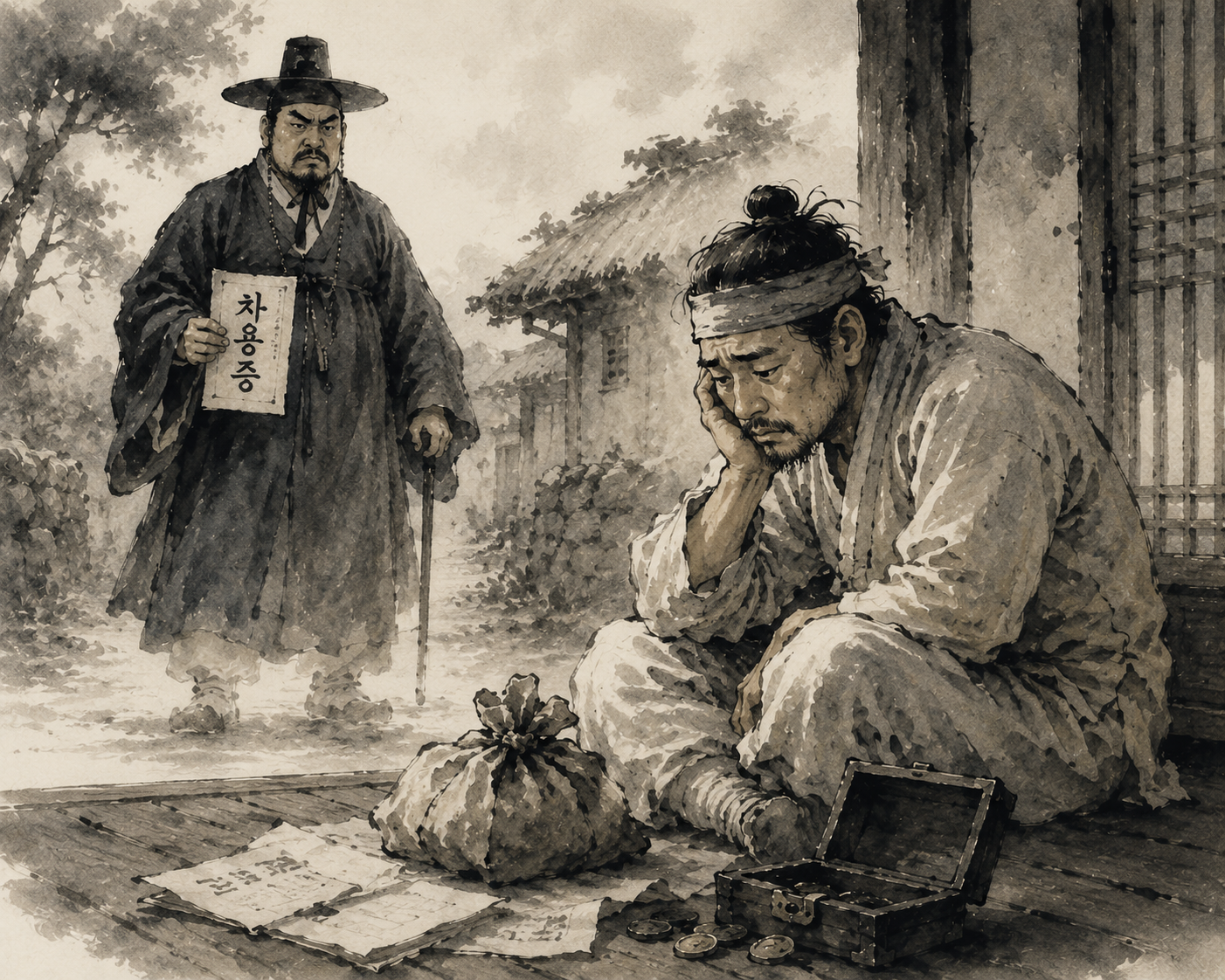
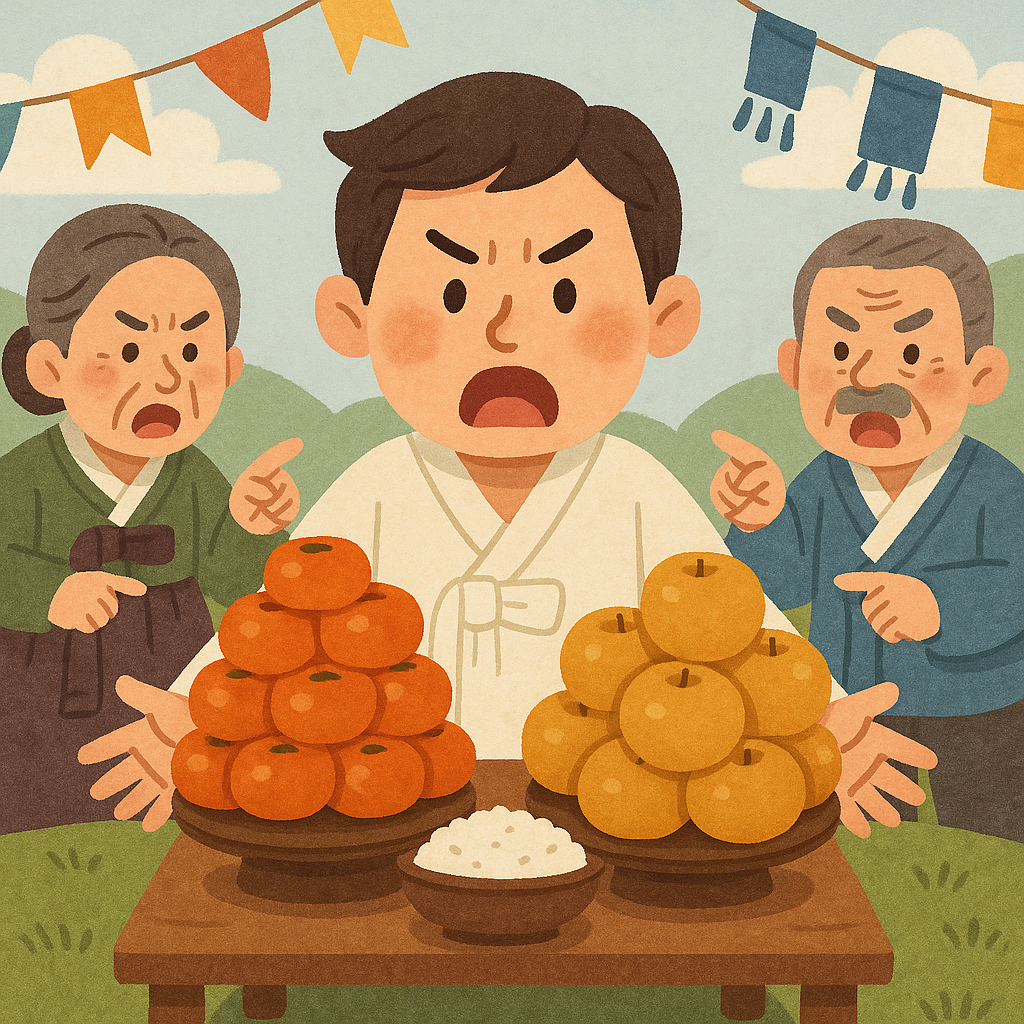
Korean Proverb Series 83Robbing Peter to Pay Paul“아랫돌 빼서 윗돌 괴기”(Aret-dol ppaeseo wit-dol goeggi)🕰️ 1. The Proverb’s Core MeaningThe Korean proverb “아랫돌 빼서 윗돌 괴기” literally means“Taking out the lower stone to support the upper stone.”It describes a short-sighted solution that fixes one problem by creating another.Instead of solving the root cause, one merely shifts the burden elsewhere,leaving t..

Korean Folktale : The Flying Squirrel and the Woodcutter

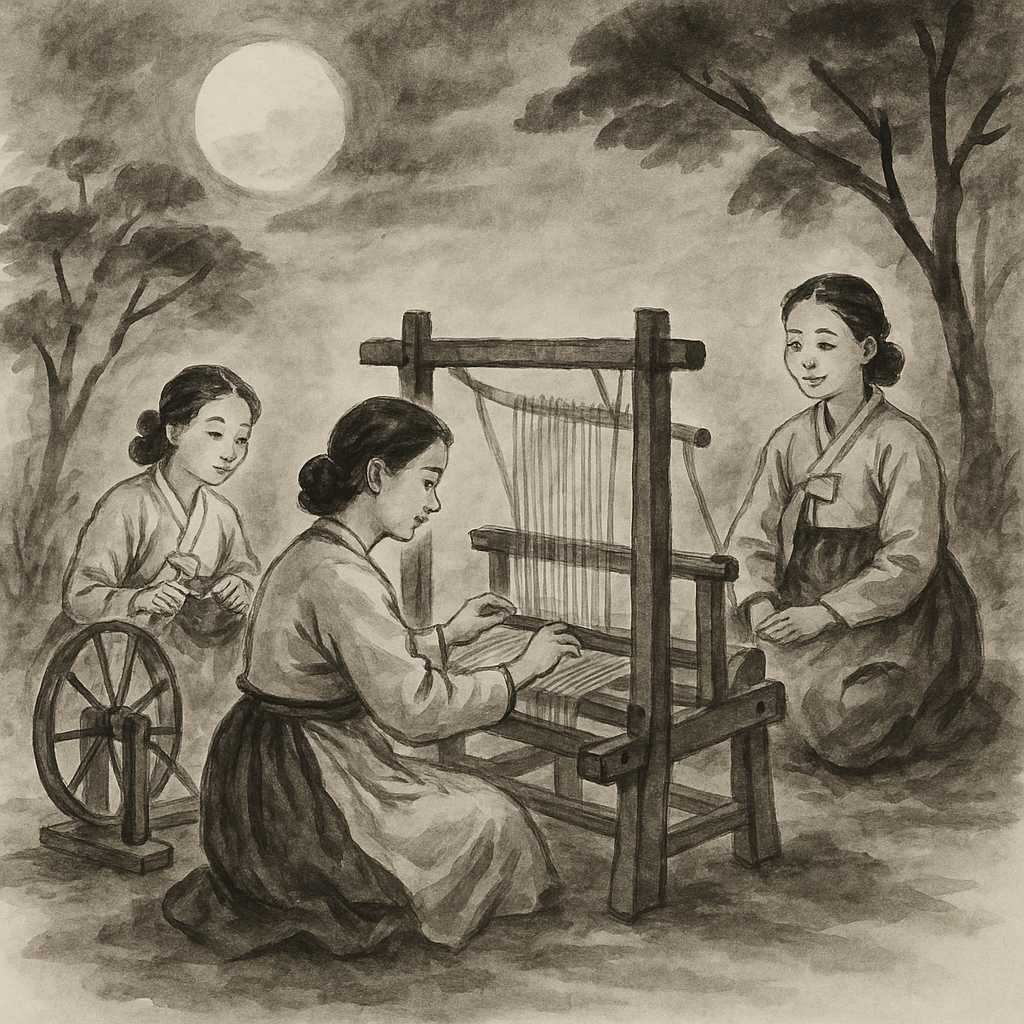
🐿️ Korean Folktale Series 83 “The Flying Squirrel and the Woodcutter”(청설모와 나무꾼 · Cheongseolmo-wa Namukkum)🕰️ 1. The StoryLong ago, in a deep forest where tall pines whispered ancient secrets, there lived a humble woodcutter named Seorin. He earned his living by gathering fallen branches and cutting only what the forest could spare. Before lifting his axe each morning, he bowed to the trees and..

Korean Traditional Game : San-gaji Nori

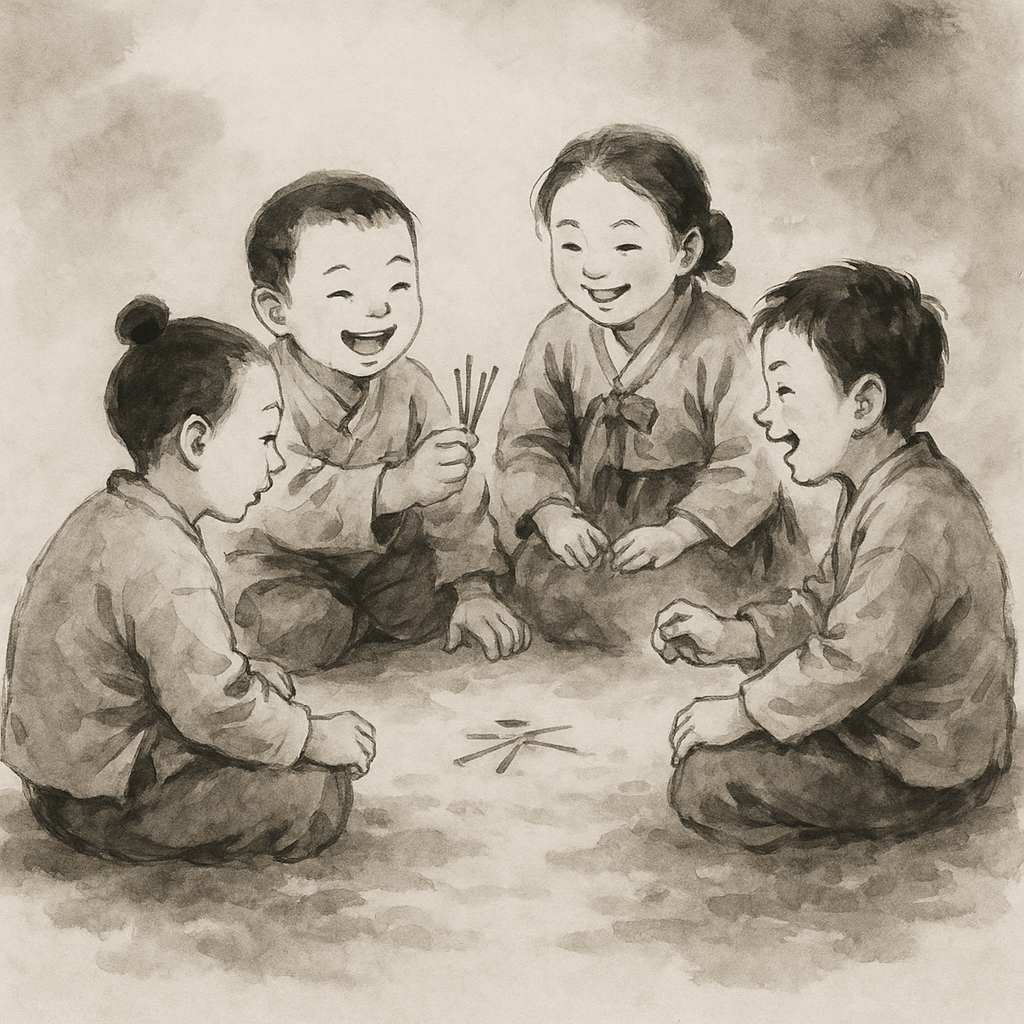
🌿 Korean Traditional Game Series 54 San-gaji Nori(산가지놀이 · Korean Counting Stick Game)🕰️ 1. IntroductionSan-gaji Nori (산가지놀이) is a traditional Korean thinking game played with thin sticks, twigs, or bamboo pieces.The word san-gaji refers to small branches or counting sticks, and the game itself is rooted in logical thinking, prediction, and playful competition.Often enjoyed indoors on quiet aft..

Stories of Korea’s National Treasures : East Seungtap (Stupa) of Yeonggoksa Temple

Stories of Korea’s National Treasures 54Photo Credit: Cultural Heritage Administration of KoreaEast Seungtap (Stupa) of Yeonggoksa Temple(Gurye, Jeollanam-do)🏯 1. A Stone Monument for an Awakened LifeIn the quiet precincts of Yeonggoksa Temple in Gurye, stands the East Seungtap (Monk’s Stupa) — a refined stone structure dedicated to honoring a revered Buddhist master of the Unified Silla period..

Korean Proverb : Rice Cake in a Painting

Korean Proverb Series 82Rice Cake in a Painting“그림의 떡”(Geurim-ui tteok)🕰️ 1. The Proverb’s Core MeaningThe Korean proverb “그림의 떡” literally means“Rice cake in a painting.”It refers to something that looks attractive but cannot be used or enjoyed —a beautiful illusion with no practical value.Just like a painted rice cake cannot satisfy hunger,some promises or opportunities exist only in appearan..

Korean Folktale : The Tears of the Mirror Goddess

🪞 Korean Folktale Series 82 “The Tears of the Mirror Goddess”(거울 여신의 눈물 · Geoul Yeosin-ui Nunmul)🕰️ 1. The StoryLong ago, in a land where mountains touched the clouds, there stood a secluded shrine known as the Hall of Mirrors. At its heart rested a sacred mirror said to hold the truth of all who gazed into it. The villagers believed the mirror was guarded by the Mirror Goddess, a quiet deity ..

Korean Traditional Game : Gama Tagi

Korean Traditional Game Series 53 : Gama Tagi🚶‍♂️(가마타기 · Korean Palanquin Ride Play)🕰️ 1. IntroductionGama Tagi (가마타기), or Palanquin Ride Play, is a joyful Korean traditional play inspired by the old custom of riding a gama—a covered sedan chair once used by nobles, brides, and elders.In children’s play, the grandeur of the palanquin transformed into laughter and imagination, turning everyday ..

Stories of Korea’s National Treasures : Janggyeong Panjeon (Tripitaka Hall) of Haeinsa Temple

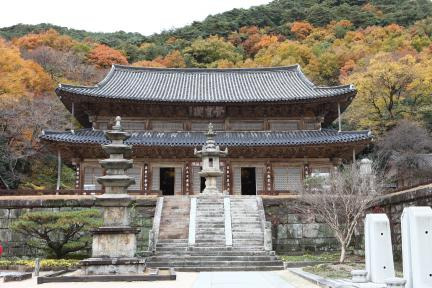
Stories of Korea’s National Treasures 53Photo Credit: Cultural Heritage Administration of KoreaJanggyeong Panjeon (Tripitaka Hall) of Haeinsa Temple(Hapcheon, Gyeongsangnam-do)🏯 1. A Library Built for EternityDeep within the mountains of Gayasan, at Haeinsa Temple, stand four modest wooden buildings known collectively as the Janggyeong Panjeon — the sacred halls that have safeguarded the Tripit..

Korean Proverb : Won’t Believe It Even If You Say You Make Soy Paste with Beans

Korean Proverb Series 81Won’t Believe It Even If You Say You Make Soy Paste with Beans“콩으로 메주를 쑨다 해도 안 믿는다”(Kong-euro mejureul ssunda haedo an midneunda)🕰️ 1. The Proverb’s Core MeaningThe Korean proverb “콩으로 메주를 쑨다 해도 안 믿는다” literally means“They won’t believe it even if you say you made fermented soybean bricks from beans.”Because meju (메주) is made from beans,this proverb describes someone who..