Koreanculture 563

Korean Folktale : The Child Who Reunited with Heavenly Parents

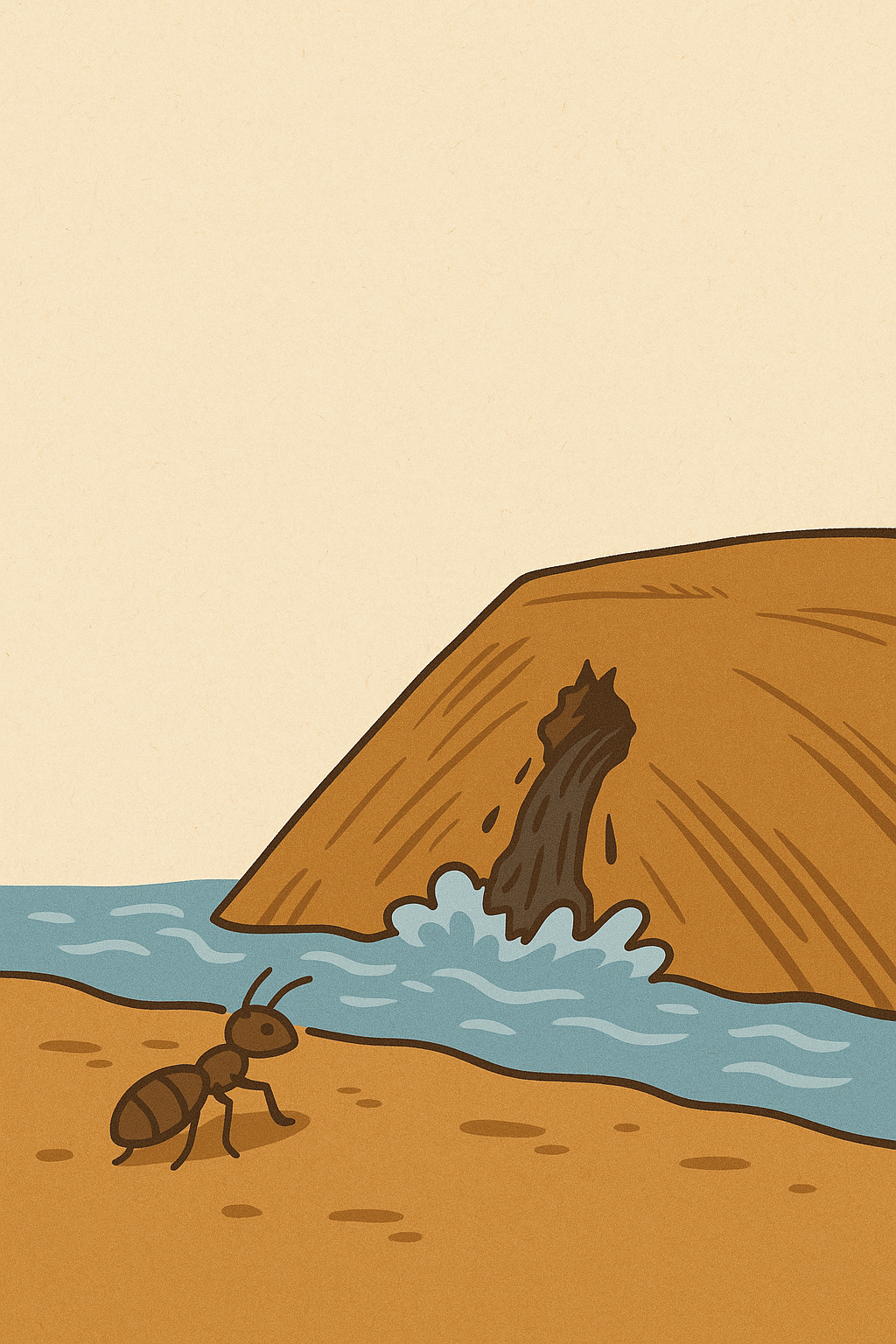
🌠 Korean Folktale Series 81 “The Child Who Reunited with Heavenly Parents”(천상의 부모를 다시 만난 아이 · Cheonsang-ui Bumoreul Dasi Mannan Ai)🕰️ 1. The StoryIn a quiet village nestled beneath silver clouds, there lived a boy named Haon. He was gentle, bright-eyed, and strangely attuned to the world around him. Birds gathered at his window each morning, streams quieted when he approached, and night winds ..

Korean Traditional Game : Gwisin Nori

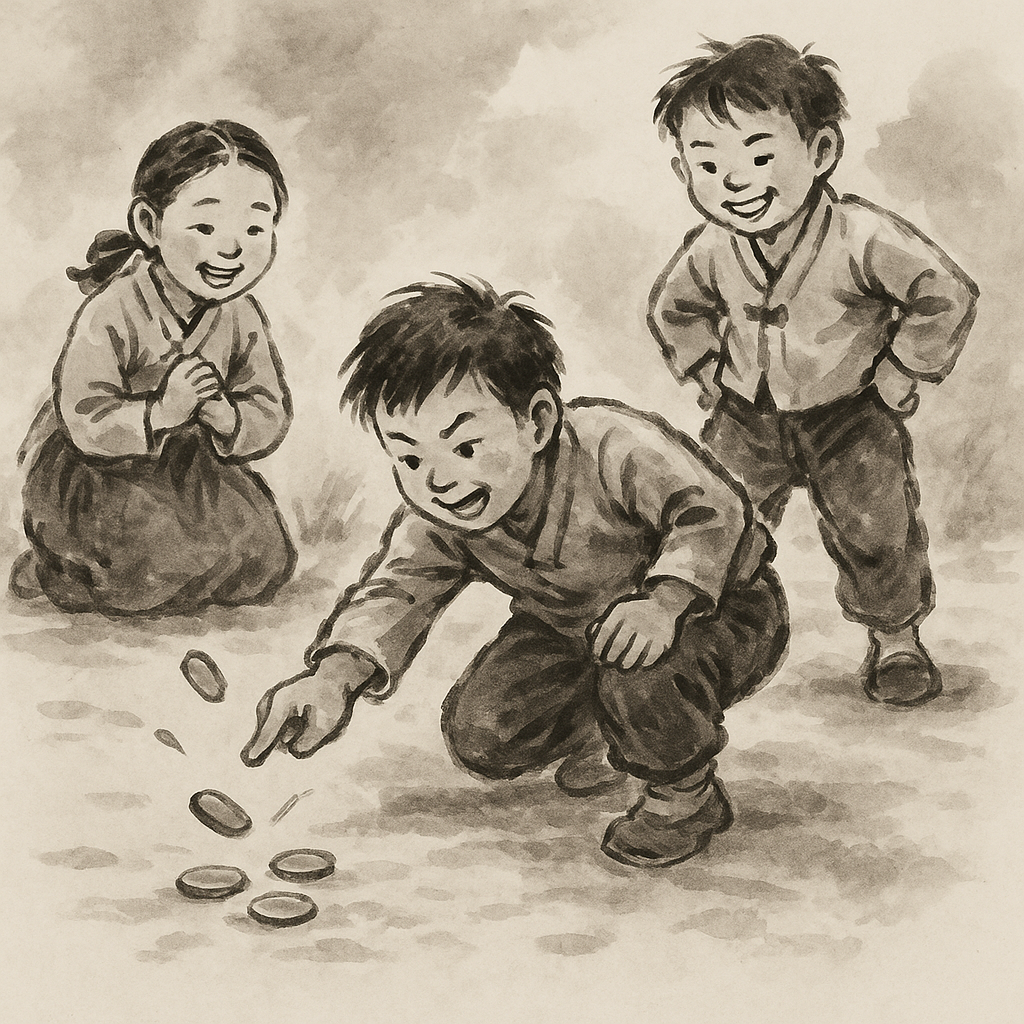
👻 Korean Traditional Game Series 52 Gwisin Nori(귀신놀이 · Korean Ghost Play)🕰️ 1. IntroductionGwisin Nori (귀신놀이), or Ghost Play, is a thrilling and imaginative Korean children’s game filled with suspense, laughter, and a touch of playful fear.Long before horror movies or haunted houses existed, children created their own “ghost world” using only shadows, stories, and nighttime imagination.This ga..

Stories of Korea’s National Treasures : Sammun (Three-arched Gate) of Imyeonggwan

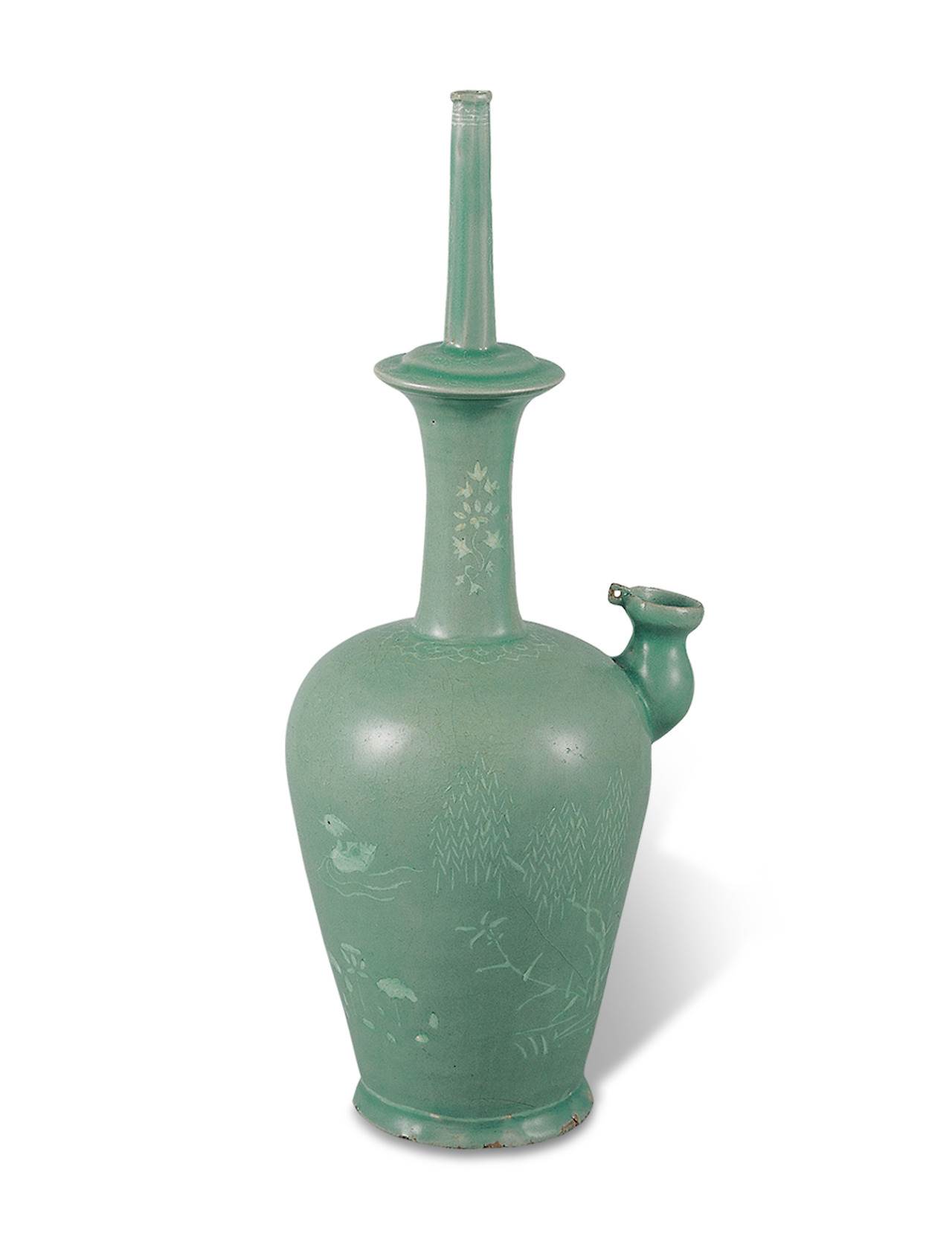
Stories of Korea’s National Treasures 52Photo Credit: Cultural Heritage Administration of KoreaSammun (Three-arched Gate) of Imyeonggwan(Gangneung, Gangwon-do)🏯 1. A Gate of Royal DignityIn the coastal city of Gangneung, the Sammun (Three-arched Gate) of Imyeonggwan stands as a rare surviving example of a Joseon Dynasty ceremonial structure.It once served as the grand entrance to the Imyeonggwa..

Korean Proverb : A Drowning Person Will Even Grab at Straw

Korean Proverb Series 80A Drowning Person Will Even Grab at Straw“물에 빠지면 지푸라기라도 잡는다”(Mure ppajimyeon jipulagirado jabneunda)🕰️ 1. The Proverb’s Core MeaningThe Korean proverb “물에 빠지면 지푸라기라도 잡는다” literally means“A drowning person will even grab at straw.”It describes how someone in desperate circumstanceswill cling to anything — even something useless or unreliable —in the hope that it might sav..

Korean Folktale : The Legend of the Three Brothers’ Rock

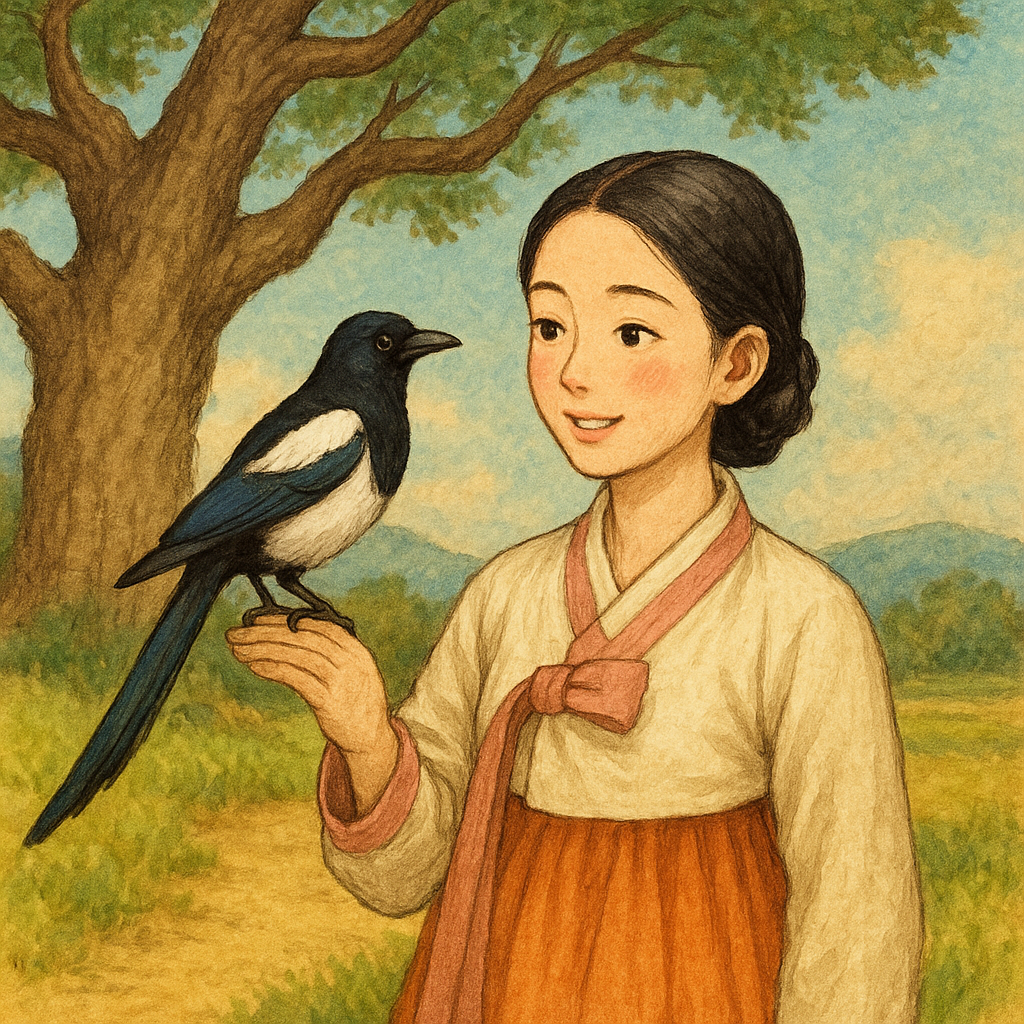
⛰️ Korean Folktale Series 80 “The Legend of the Three Brothers’ Rock”(삼형제 바위의 전설 · Samhyeongje Bawi-ui Jeonseol)🕰️ 1. The StoryLong ago, in a mountain village surrounded by steep cliffs and winding rivers, there lived a widowed mother and her three sons—Eun, Hwan, and Jin.The brothers were inseparable. Though each had a different strength—Eun was wise, Hwan was brave, and Jin was kind—they work..

Korean Traditional Game : Gonji Nori

🌸 Korean Traditional Game Series 51 Gonji Nori(곤지놀이 · Korean Forehead Beauty Play)🕰️ 1. IntroductionGonji Nori (곤지놀이) is a charming and symbolic Korean traditional play enjoyed especially by young girls.The word “gonji” refers to the small red dot once worn on the forehead or cheeks as a beauty mark — a symbol of elegance, good fortune, and grace during the Joseon era.In this gentle and imagin..

Stories of Korea’s National Treasures : Haetalmun (Liberation Gate) of Dogapsa Temple

Stories of Korea’s National Treasures 51Photo Credit: Cultural Heritage Administration of KoreaHaetalmun (Liberation Gate) of Dogapsa Temple(Yeongam, Jeollanam-do)🏯 1. The Gate of EnlightenmentAt the foot of Wolchulsan Mountain in Yeongam stands the Haetalmun (Liberation Gate) of Dogapsa Temple, a structure that has greeted pilgrims for nearly a thousand years.Built in the early Goryeo period (..

Korean Proverb : Slapped in Jongno, Glare at the Han River

Korean Proverb Series 79Slapped in Jongno, Glare at the Han River“종로에서 뺨 맞고 한강 가서 눈 흘긴다”(Jongno-eseo ppyam matgo Hangang gaseo nun heul-ginda)🕰️ 1. The Proverb’s Core MeaningThe Korean proverb “종로에서 뺨 맞고 한강 가서 눈 흘긴다” literally means“Being slapped in Jongno, then going to the Han River to glare.”It describes someone who cannot confront the person who actually wronged them,so they express anger e..

Korean Folktale : The Lovers Who Kept Their Promise Across Lifetimes

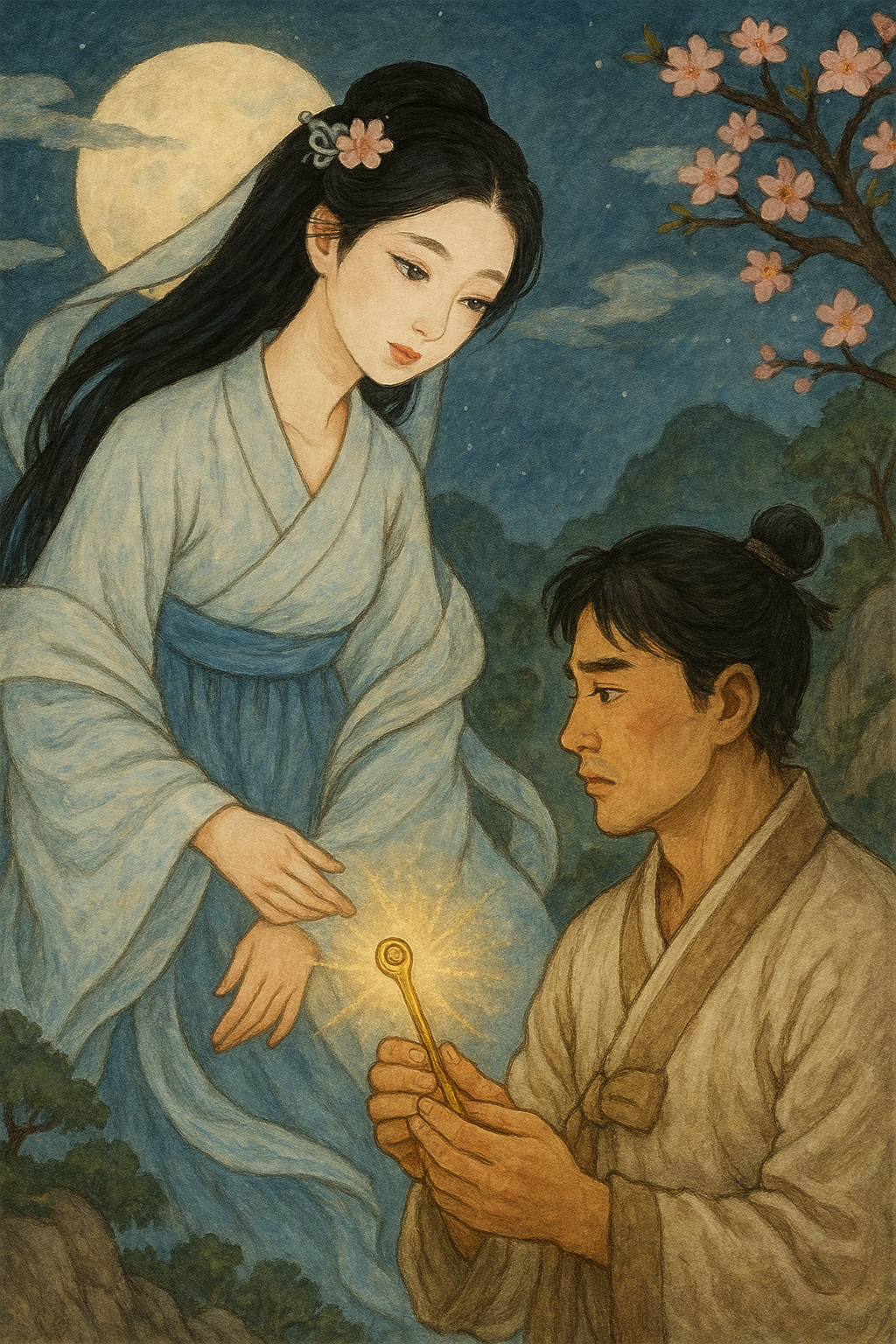
💞 Korean Folktale Series 79“The Lovers Who Kept Their Promise Across Lifetimes”(전생의 약속을 지킨 연인 · Jeonsaeng-ui Yaksok-eul Jikin Yeonin)🕰️ 1. The StoryLong ago, in a quiet mountain village wrapped in mist, there lived a young woman named Ara and a gentle scholar named Junho. Though they did not grow up together, the moment their eyes met at the village well, they felt the strange pull of familiar..

Korean Traditional Game : Haemaji Julnori

Korean Traditional Game Series 50 Haemaji Julnori(해맞이 줄놀이 · Korean Sunrise Rope Play)🕰️ 1. IntroductionHaemaji Julnori (해맞이 줄놀이), or Sunrise Rope Play, is a traditional Korean folk game held at dawn to celebrate the first sunrise of the New Year.The word Haemaji means “welcoming the sun,” and this beautiful custom blends play, ritual, and hope — expressing the wish for good fortune, health, and..