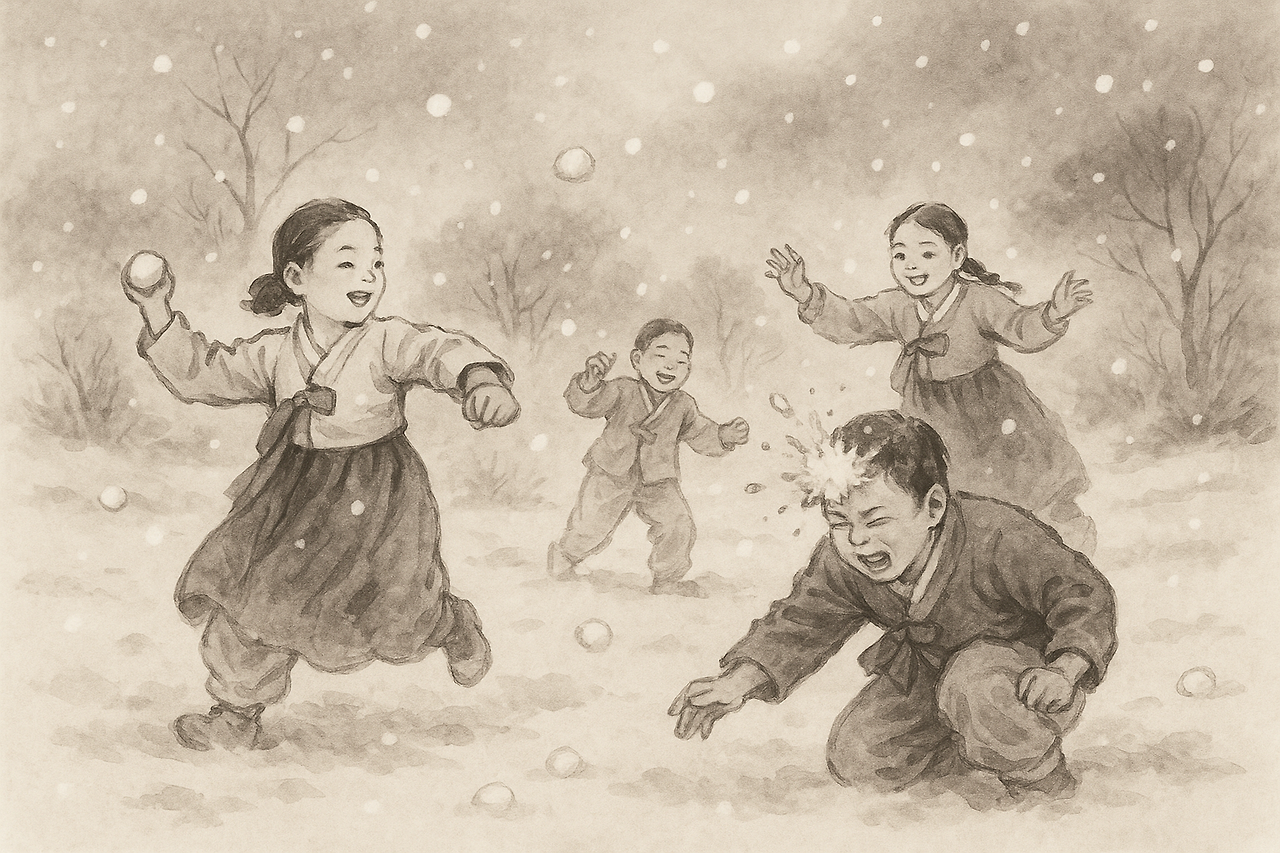
Korean Traditional Games 58

Korean Traditional Game : Didilbanga Nori

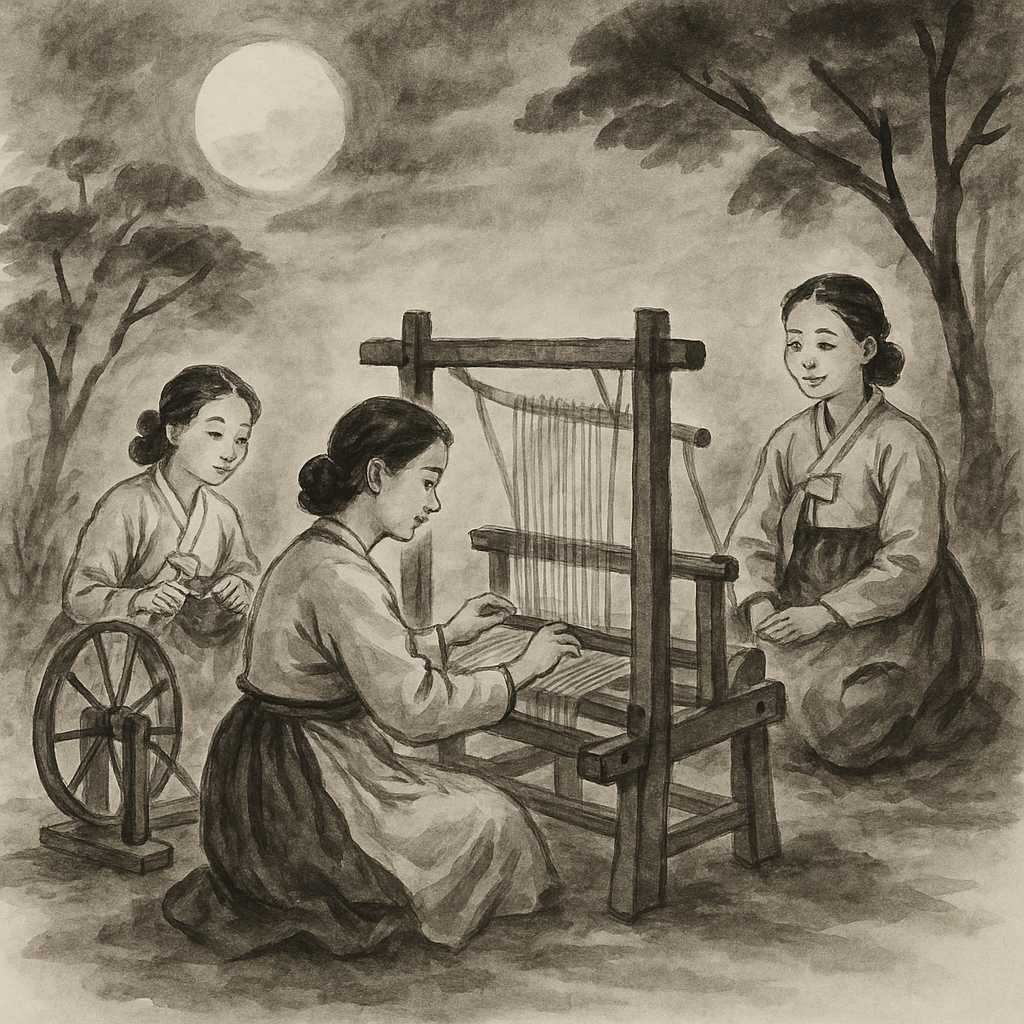
🌾 Korean Traditional Game Series 58Didilbanga Nori(디딜방아놀이 · Korean Treadle Mortar Play)🕰️ 1. IntroductionDidilbanga Nori (디딜방아놀이) is a traditional Korean folk play inspired by the didilbanga—a foot-powered wooden mortar once used to pound grains such as rice and millet.In agrarian villages, the rhythmic motion of the treadle was a familiar sound of daily life. Over time, this labor transformed..

Korean Traditional Game : Sogup Nori

🍲 Korean Traditional Game Series 56Sogup Nori(소꿉놀이 · Korean Pretend Cooking Play)🕰️ 1. IntroductionSogup Nori (소꿉놀이) is one of Korea’s most beloved traditional pretend-play games, centered on cooking, family roles, and everyday life.Using small pots, bowls, leaves, stones, and mud, children recreated the rhythms of home — preparing meals, sharing food, and caring for one another through imagin..

Korean Traditional Game : Korean Dragon Play

🐉 Korean Traditional Game Series 55Yong Nori(용놀이 · Korean Dragon Play)🕰️ 1. IntroductionYong Nori (용놀이), or Dragon Play, is a vibrant Korean traditional performance game inspired by the dragon (yong), a sacred creature believed to control rain, water, and prosperity.In agrarian Korea, dragons symbolized hope for good harvests and protection from droughts and disasters.Performed during village ..

Korean Traditional Game : San-gaji Nori

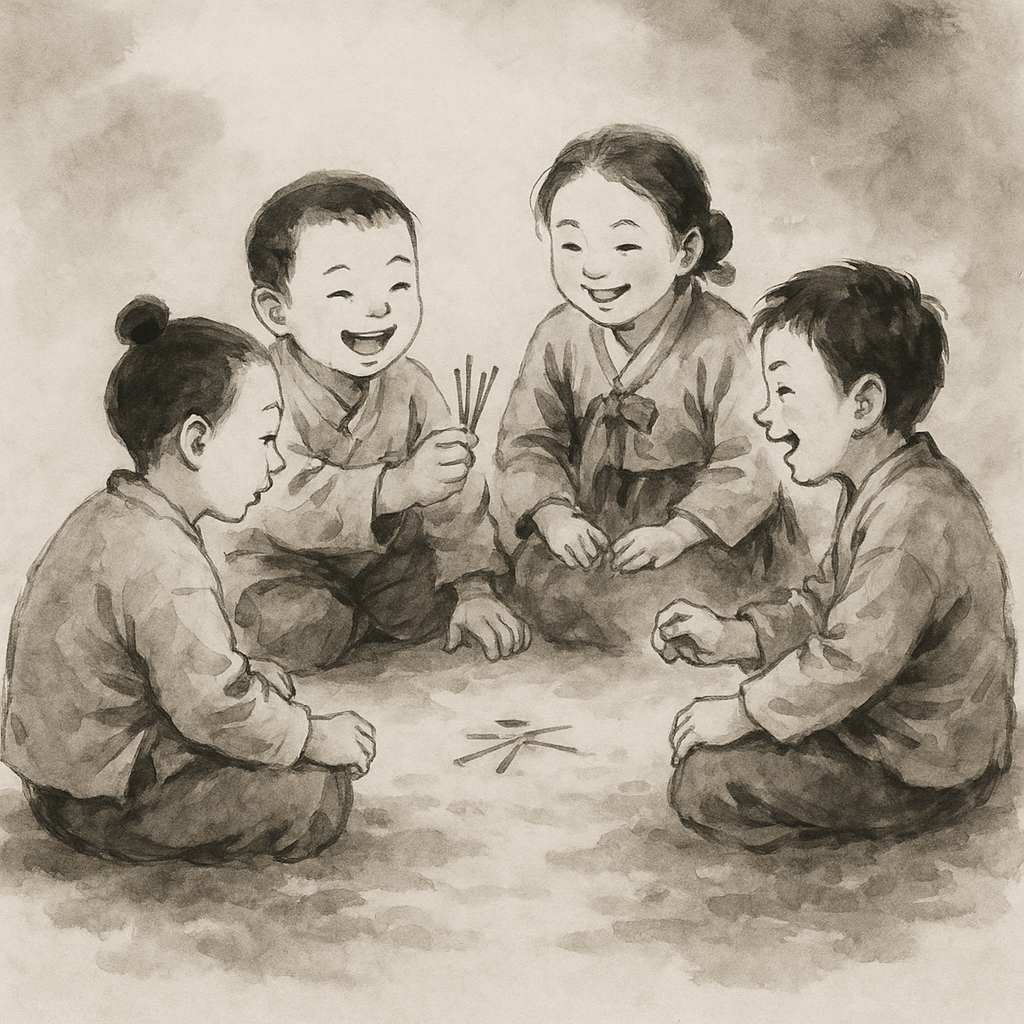
🌿 Korean Traditional Game Series 54 San-gaji Nori(산가지놀이 · Korean Counting Stick Game)🕰️ 1. IntroductionSan-gaji Nori (산가지놀이) is a traditional Korean thinking game played with thin sticks, twigs, or bamboo pieces.The word san-gaji refers to small branches or counting sticks, and the game itself is rooted in logical thinking, prediction, and playful competition.Often enjoyed indoors on quiet aft..

Korean Traditional Game : Gama Tagi

Korean Traditional Game Series 53 : Gama Tagi🚶‍♂️(가마타기 · Korean Palanquin Ride Play)🕰️ 1. IntroductionGama Tagi (가마타기), or Palanquin Ride Play, is a joyful Korean traditional play inspired by the old custom of riding a gama—a covered sedan chair once used by nobles, brides, and elders.In children’s play, the grandeur of the palanquin transformed into laughter and imagination, turning everyday ..

Korean Traditional Game : Gwisin Nori

👻 Korean Traditional Game Series 52 Gwisin Nori(귀신놀이 · Korean Ghost Play)🕰️ 1. IntroductionGwisin Nori (귀신놀이), or Ghost Play, is a thrilling and imaginative Korean children’s game filled with suspense, laughter, and a touch of playful fear.Long before horror movies or haunted houses existed, children created their own “ghost world” using only shadows, stories, and nighttime imagination.This ga..

Korean Traditional Game : Gonji Nori

🌸 Korean Traditional Game Series 51 Gonji Nori(곤지놀이 · Korean Forehead Beauty Play)🕰️ 1. IntroductionGonji Nori (곤지놀이) is a charming and symbolic Korean traditional play enjoyed especially by young girls.The word “gonji” refers to the small red dot once worn on the forehead or cheeks as a beauty mark — a symbol of elegance, good fortune, and grace during the Joseon era.In this gentle and imagin..

Korean Traditional Game : Haemaji Julnori

Korean Traditional Game Series 50 Haemaji Julnori(해맞이 줄놀이 · Korean Sunrise Rope Play)🕰️ 1. IntroductionHaemaji Julnori (해맞이 줄놀이), or Sunrise Rope Play, is a traditional Korean folk game held at dawn to celebrate the first sunrise of the New Year.The word Haemaji means “welcoming the sun,” and this beautiful custom blends play, ritual, and hope — expressing the wish for good fortune, health, and..

Korean Traditional Game : Deungbul Nori

🏮 Korean Traditional Game Series 49Deungbul Nori (Chorong Kyeogi)(등불놀이 · 초롱 켜기 · Korean Lantern Light Play)🕰️ 1. IntroductionDeungbul Nori (등불놀이), also known as Chorong Kyeogi (초롱 켜기 · Lantern Lighting), is one of Korea’s most beautiful and heartwarming traditional night-time plays.It was especially popular during festive seasons such as Chuseok (harvest festival) and Jeongwol Daeboreum (the f..