Korean Traditional Games 69

Korean Traditional Game : Saja Chum Nori

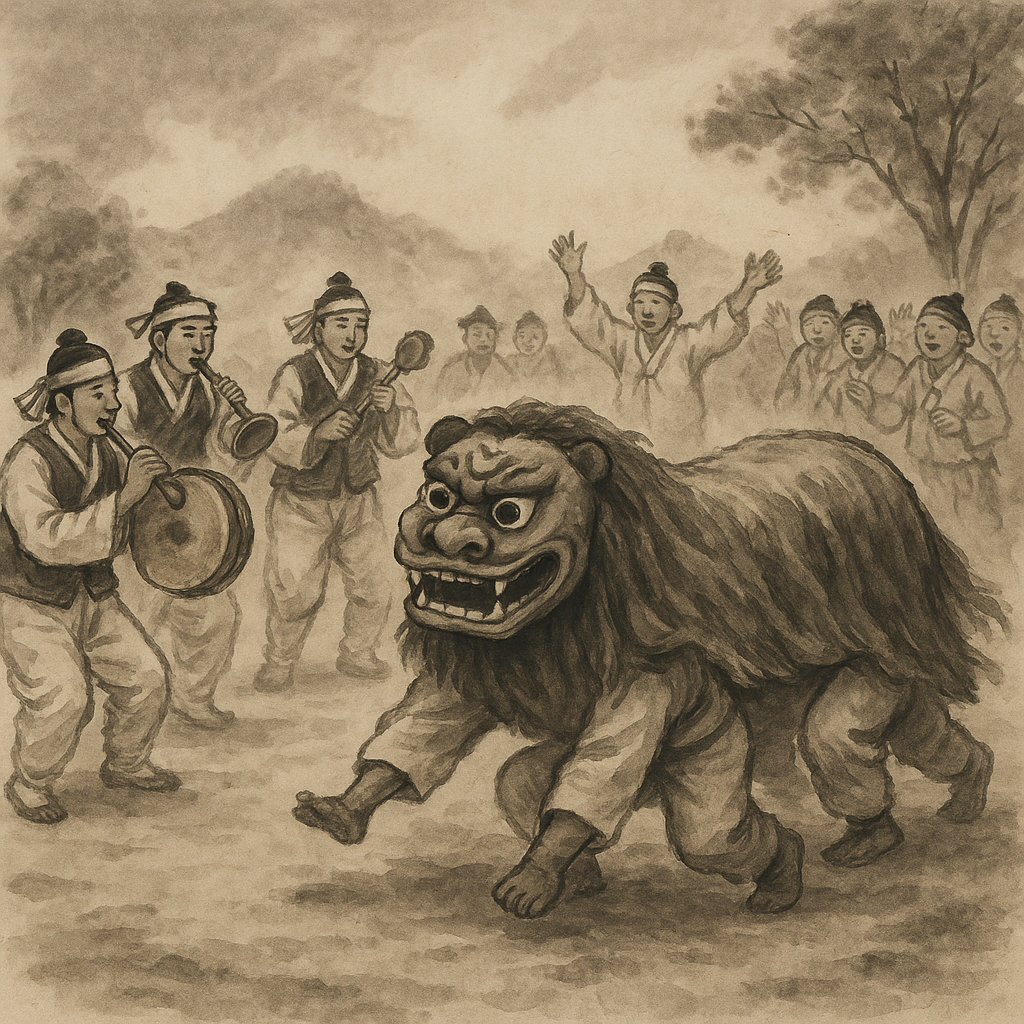
🦁 Korean Traditional Game Series 39Saja Chum Nori(사자춤놀이 · Korean Lion Dance Play)🕰️ 1. IntroductionSaja Chum Nori (사자춤놀이), or the Korean Lion Dance, is a traditional performance blending play, ritual, and dance.It was often performed during village festivals, New Year celebrations, or harvest events to drive away evil spirits and bring good fortune to the community.The lion, or saja, symbolize..

Korean Traditional Game : Jangseung Seugi Nori

🍂 Korean Traditional Game Series 36Jangseung Seugi Nori(장승세우기놀이 · Korean Totem Pole-Raising Game) 🕰️ 1. IntroductionJangseung Seugi Nori (장승세우기놀이), meaning “totem pole-raising play,” is a traditional Korean communal event where villagers carve, decorate, and erect jangseung — wooden guardian poles — at the entrance of the village.This custom blended ritual, craftsmanship, and play, serving bot..

Korean Traditional Game : Nongak Jangdan Nori

🍂 Korean Traditional Game Series 34Nongak Jangdan Nori(농악놀이 속 장단놀이 · Rhythm Play in Korean Farmer’s Music)🕰️ 1. IntroductionNongak Jangdan Nori (농악놀이 속 장단놀이), meaning “rhythm play in farmer’s music,” is a joyful and energetic traditional performance that blends music, dance, and communal play.Rooted in Nongak (Korean farmer’s band music), this rhythmic play served as both entertainment and a r..

Korean Traditional Game : Gama Ssaum

🍂 Korean Traditional Game Series 33Gama Ssaum(가마싸움·Korean Palanquin Battle Game)🕰️ 1. IntroductionGama Ssaum (가마싸움), or “palanquin battle,” is a traditional Korean folk game that symbolizes strength, teamwork, and village pride.Historically played during major festivals or holidays, it featured two teams carrying large wooden gama (palanquins) and clashing in a friendly but powerful contest.Th..

Korean Traditional Game : Ssibburigi Nori

🍂 Korean Traditional Game Series 32Ssibburigi Nori(씨 뿌리기놀이 · Korean Seed-Sowing Festival Game) 🕰️ 1. IntroductionSsibburigi Nori (씨 뿌리기놀이), meaning “seed-sowing play,” is a traditional Korean agricultural festival held in spring to celebrate the beginning of a new farming season.It symbolizes renewal, gratitude, and hope for a bountiful harvest.Long before machinery, Korean farmers worked clos..