learnkoreanculture 116

Korean Folktale : The Sea God of Jang Bogo

🌊 Korean Folktale Series 92 “The Sea God of Jang Bogo”(장보고의 바다신 전설 · Jang Bogo-ui Badasin Jeonseol)🕰️ 1. The StoryLong ago, during the days of the Unified Silla, there lived a man whose name would echo across the seas—Jang Bogo, the great maritime leader.He was not born into power, but rose through courage and vision, building a vast network of ships and trade routes that connected distant lan..

카테고리 없음 2026.03.30

Korean Folktale : The Woman Who Lived in the Shamans Shrine

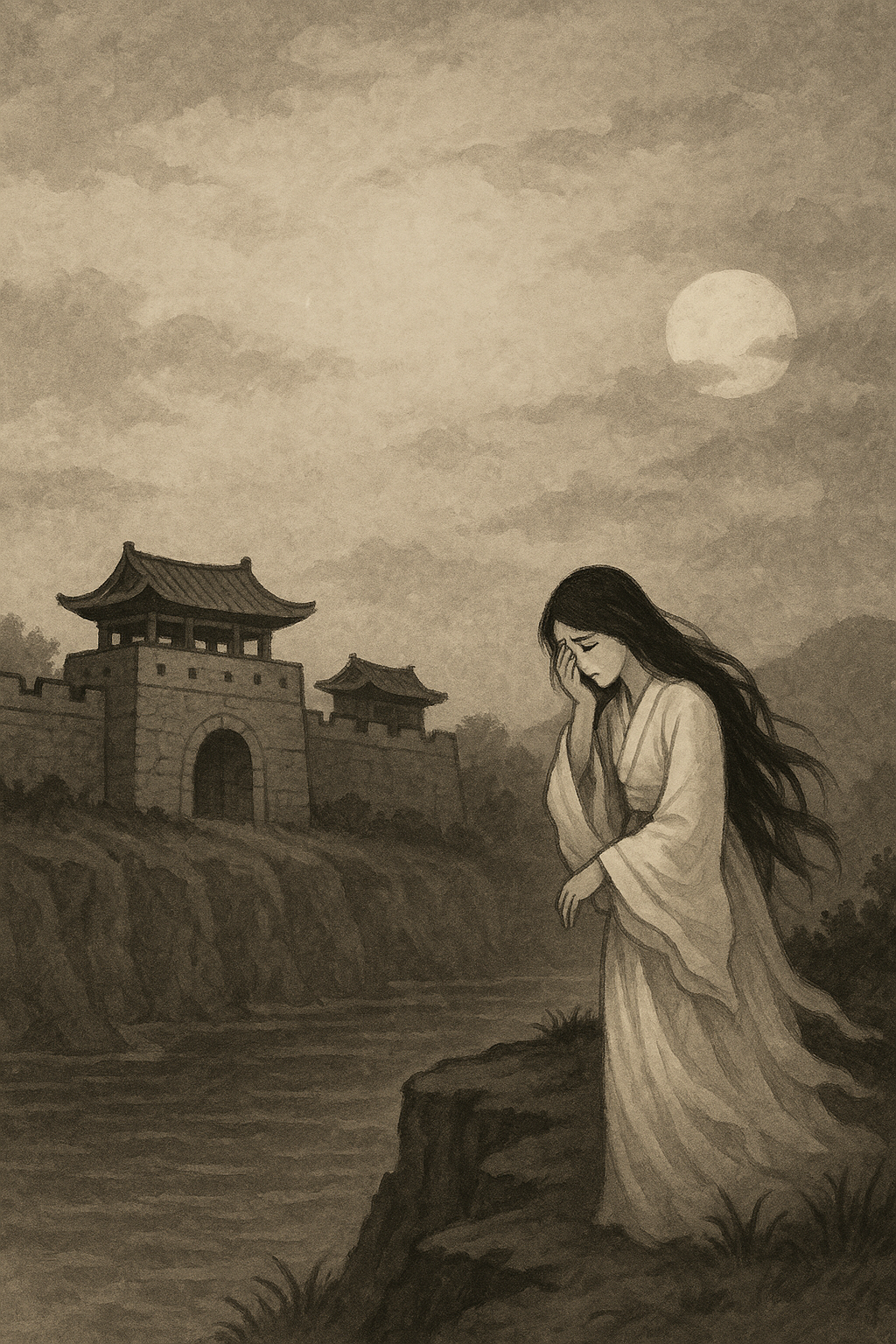
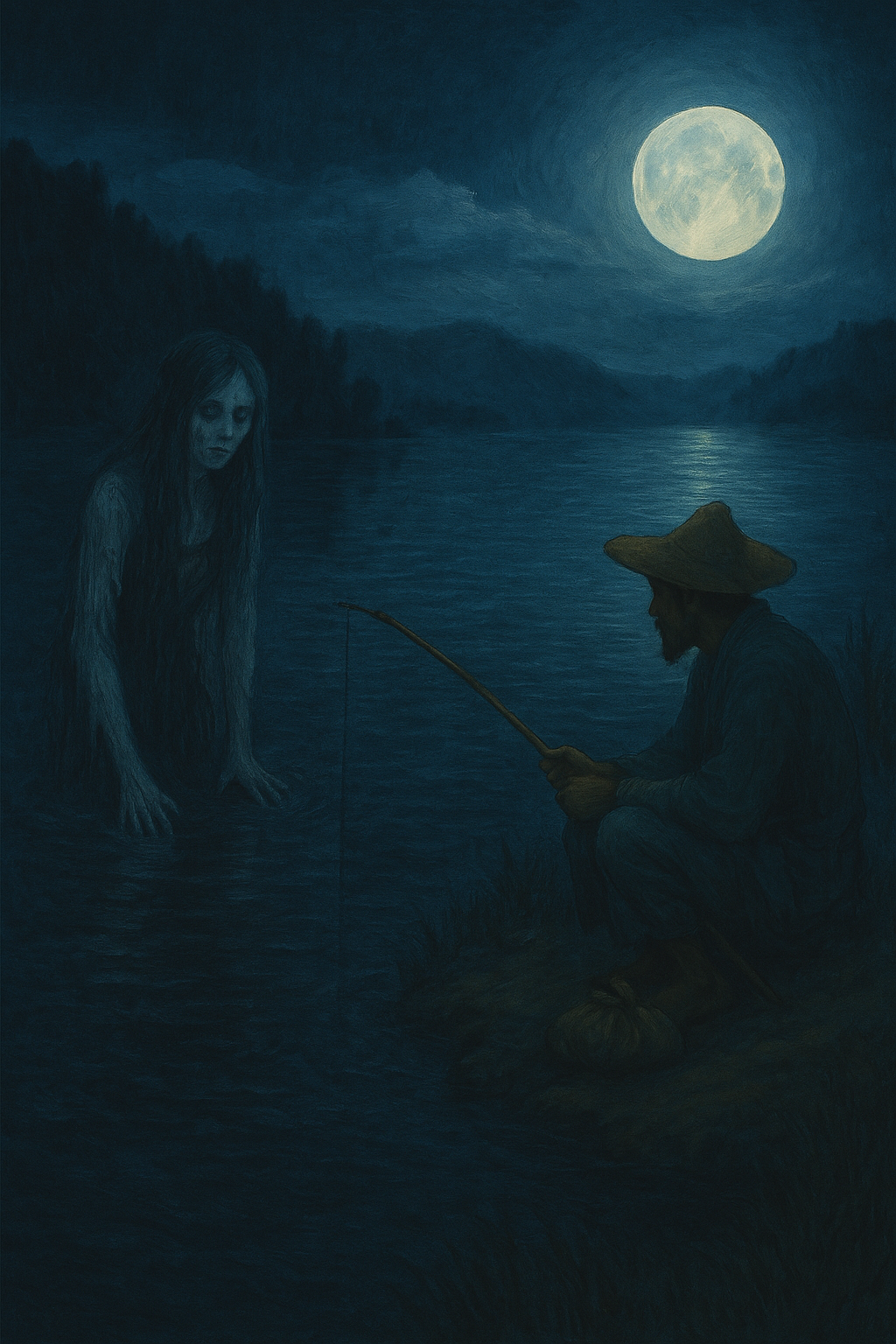
🪶 Korean Folktale Series 91The Woman Who Lived in the Shamans Shrine(굿당에 사는 여인 · Gutdang-e Saneun Yeoin)🕰️ 1. The StoryLong ago, on the edge of a quiet village, there stood an old shaman’s shrine—a gutdang where rituals were performed to speak with spirits and calm restless souls.The villagers respected the place, but few dared to visit after sunset. They whispered that a mysterious woman in w..

Korean Traditional Game : Dukkebi-jip Jitgi

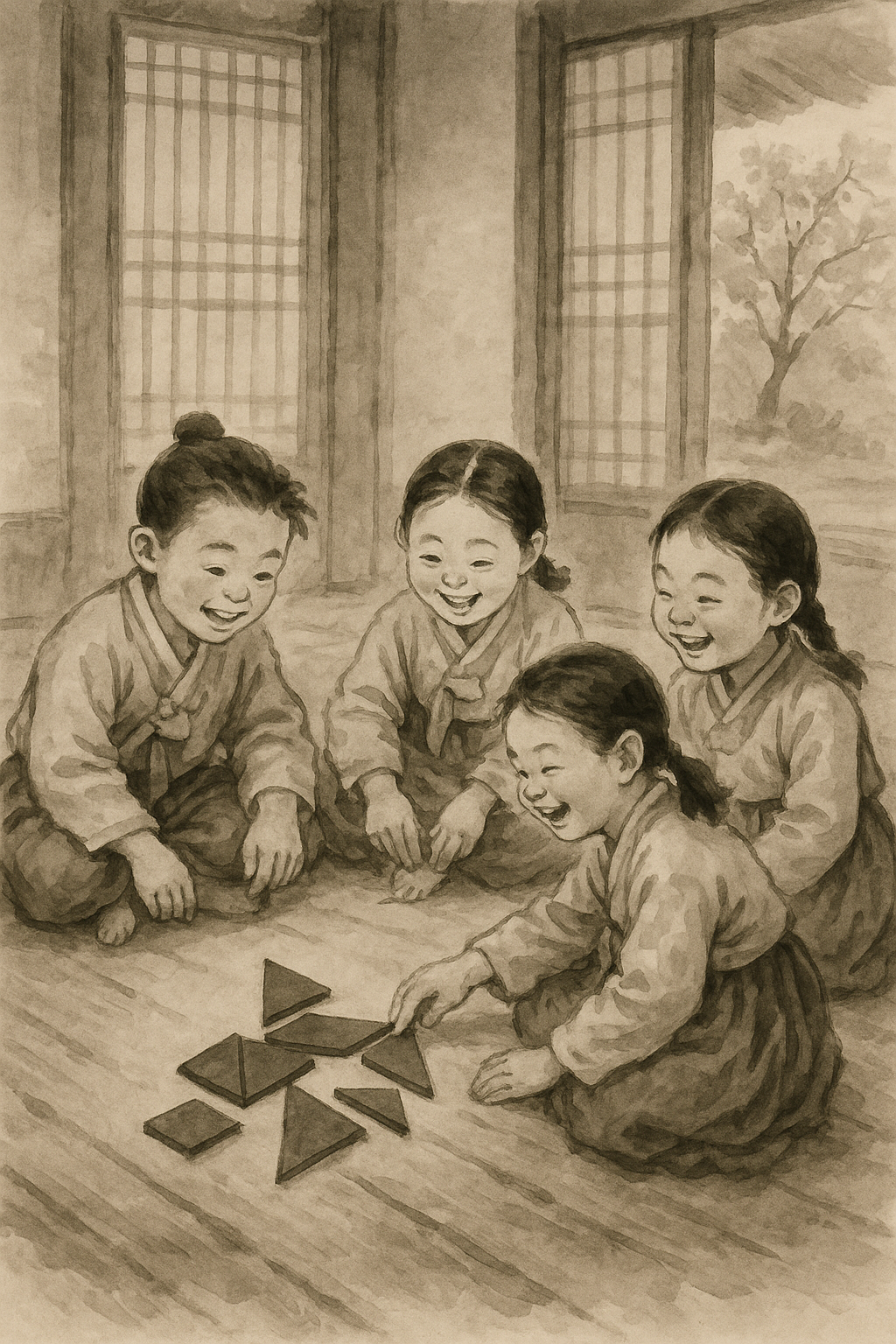
🏠 Korean Traditional Game Series 62 Dukkebi-jip Jitgi(두꺼비집짓기 · Korean Mud House Building Play)🕰️ 1. IntroductionDukkebi-jip Jitgi (두꺼비집짓기), or Mud House Building Play, is a nostalgic Korean children’s game where kids build small houses using dirt, water, and imagination.The “dukkebi-jip” (toad house) refers to a rounded mud structure, often shaped like a tiny dome or mound, resembling a toad’s..

카테고리 없음 2026.03.20

Korean Folktale : The Wolf and the Third Child

🐺 Korean Folktale Series 90 The Wolf and the Third Child(늑대와 셋째 아이·Neukdae-wa Setjjae Ai)🕰️ 1. The StoryLong ago, in a village nestled between thick forests and wide fields, there lived a poor family with three children. The eldest was strong, the second clever, and the youngest—often called simply the third child—was quiet and thoughtful.Because the youngest spoke little, many villagers beli..

Korean Traditional Game : kot Chajgi Nori

🌸 Korean Traditional Game Series 61 Kkot Chajgi Nori(꽃찾기놀이 · Korean Flower Finding Game)🕰️ 1. IntroductionKkot Chajgi Nori (꽃찾기놀이), or Flower Finding Game, is a gentle and joyful Korean children’s play that celebrates curiosity and nature.Traditionally played in fields, gardens, or village paths during spring and summer, the game encourages children to observe flowers, colors, and scents while..

Korean Folktale : The Moon Goddess of the Lunar Palace

🌙 Korean Folktale Series 89 “The Moon Goddess of the Lunar Palace”(달의 여신, 월궁선녀 · Dal-ui Yeosin, Wolgung Seonnyeo)🕰️ 1. The StoryLong ago, when the night sky seemed closer to the earth, people believed that the moon was not an empty sphere of light—but a radiant palace known as the Wolgung, the Lunar Palace.In that shining realm lived the Moon Goddess, a celestial maiden called Wolgung Seonnyeo..

Korean Traditional Game : Bangaekkaebi Nori

🦗 Korean Traditional Game Series 60 Bangaekkaebi Nori(방아깨비놀이 · Korean Grasshopper Play)🕰️ 1. IntroductionBangaekkaebi Nori (방아깨비놀이) is a lively Korean traditional children’s game inspired by the bangaekkaebi—the grasshopper.In rural Korea, children often played in fields and rice paddies where grasshoppers leapt energetically among crops. Their springing movement became the model for a playful..

Korean Folktale : The Woodcutter Who Cared for His Elderly Parents

🌲 Korean Folktale Series 88 “The Woodcutter Who Cared for His Elderly Parents”(늙은 부모를 모신 나무꾼 · Neulgeun Bumoreul Mosin Namukkum)🕰️ 1. The StoryLong ago, in a quiet mountain village, there lived a poor woodcutter named Garam. He owned little more than a worn axe, a small hut, and an unwavering devotion to his elderly parents, who were too weak to work.Each dawn, Garam climbed the mountain paths..