learnkoreanculture 269

Korean Folktale : The Wise Mole Groom

🐹 Korean Folktale Series 55“The Wise Mole Groom”(지혜로운 두더지 신랑 · Jihyeroun Dudeoji Sinlang)🕰️ 1. The StoryLong ago, in a peaceful farming village, there lived a kind old mole and his wife. They had one beloved daughter, Mori, whose fur shone like soft brown silk. When Mori came of age, her parents decided to find her the greatest husband in the world.One day, Father Mole looked up at the bright ..

Stories of Koreas National Treasures : Three-story Stone Pagoda at the Site of Hwangboksa Temple

Stories of Korea’s National Treasures 37Photo Credit : Cultural Heritage Administration of KoreaThree-story Stone Pagoda at the Site of Hwangboksa Temple(Gyeongju, Gyeongsangbuk-do)🏯 1. A Pagoda of Royal FaithAt the ancient site of Hwangboksa Temple in Gyeongju stands a noble relic of Silla’s golden age — the Three-story Stone Pagoda, a symbol of harmony, reverence, and spiritual strength.Built..

한국 전통놀이 : 가위바위보

🎲 한국 전통놀이 시리즈 88가위바위보 (Rock–Paper–Scissors)손끝에서 피어나는 순발력의 놀이✨ 1. 놀이의 개요가위바위보놀이는 손동작을 이용해 승부를 가르는 단순하면서도 빠른 판단력을 요하는 전통 손놀이입니다.오늘날에도 전 세계적으로 즐기지만, 한국에서는 민속놀이 속의 순발력 경기로 자리 잡아 아이들뿐 아니라 어른들도 즐겨왔습니다. ‘가위·바위·보’라는 말은 손동작의 상징입니다.가위(剪刀)는 날카로움, 바위(石)는 단단함, 보(布)는 부드러움과 포용을 의미합니다.이 세 가지가 순환하며 이기고 지는 구조는 자연의 순환과 인간관계의 조화를 상징하기도 합니다. 🎍 2. 놀이의 유래가위바위보의 원형은 중국의 **수박희(手搏戲)**나 일본의 잔켄(じゃんけん) 등과 연관이 있으나, 한국에서는 삼..

한국의 국보 : 장흥 보림사 남북 삼층석탑 및 석등

한국의 국보 이야기 시리즈 44사진출처 : 국가유산청 - 장흥 보림사 남·북 삼층석탑 및 석등 -📍 위치: 전라남도 장흥군 유치면 보림사⏳ 시대: 통일신라시대(9세기경)✨ 1. 역사와 개요보림사는 통일신라 헌안왕(憲安王) 때인 9세기 중엽, **보조선사 체징(體澄)**이 창건한 사찰로, 한국 선종(禪宗) 불교의 발상지 중 하나로 꼽힙니다. 이곳의 남·북 삼층석탑과 석등은 당시 불교의 번영과 예술성을 보여주는 대표적인 유산으로, 서로 마주보듯 서 있는 두 석탑과 그 사이의 석등은 신라의 균형미와 조화의 미학을 상징합니다.🏛️ 2. 구조와 특징남탑과 북탑은 각각 높이 약 4.5m로, 2단 기단 위에 3층 탑신을 세운 전형적인 통일신라 석탑 구조입니다.석재는 부드러운 화강암으로, 기단의 각 모서리에는 기둥..

Korean Proverb : Give a Peck and Receive a Bushel

Korean Proverb Series 54Give a Peck and Receive a Bushel“되로 주고 말로 받는다”(Doero jugo mallo batneunda)🕰️ 1. The Proverb’s Core MeaningThe Korean proverb “되로 주고 말로 받는다” literally means“Give by the peck and receive by the bushel.”It means that what you do — whether good or bad —returns to you in greater measure.A small deed, word, or intention can multiply in effect,bringing back consequences far bey..

Korean Proverb : The Crayfish Sides with the Crab

Korean Proverb Series 53The Crayfish Sides with the Crab“가재는 게 편이다”(Gajaneun ge pyeonida)🕰️ 1. The Proverb’s Core MeaningThe Korean proverb “가재는 게 편이다” literally means“The crayfish sides with the crab.”It humorously describes how people tend to side with those who are similar to them —in background, interest, or perspective — regardless of what’s right or wrong.The proverb reflects a timeless t..

Korean Folktale : The Four Seasons Goddess

🌸 Korean Folktale Series 54“The Four Seasons Goddess”(사계절 여신 이야기 · Sagyejeol Yeosin Iyagi)🕰️ 1. The StoryLong ago, before humans counted time by calendars or stars, the earth lay in eternal stillness. The sun shone without rest, rivers never froze, and flowers never faded. Life flourished—but the world grew weary. The gods gathered atop Baekdu Mountain, the highest peak, to seek balance for al..

Korean Folktale : The Journey to the Underworld for a Poor Mother

🌒 Korean Folktale Series 53“The Journey to the Underworld for a Poor Mother”(가난한 어머니를 위한 저승길 · Gananhan Eomeoni-reul Wihan Jeoseung-gil)🕰️ 1. The StoryLong ago, in a small mountain village, there lived a poor widow and her only son, Dong-hyun. Though their home was no bigger than a straw hut, the boy’s heart overflowed with love for his mother. He worked every day cutting wood and gathering he..

Korean Traditional Game : Jangseung Seugi Nori

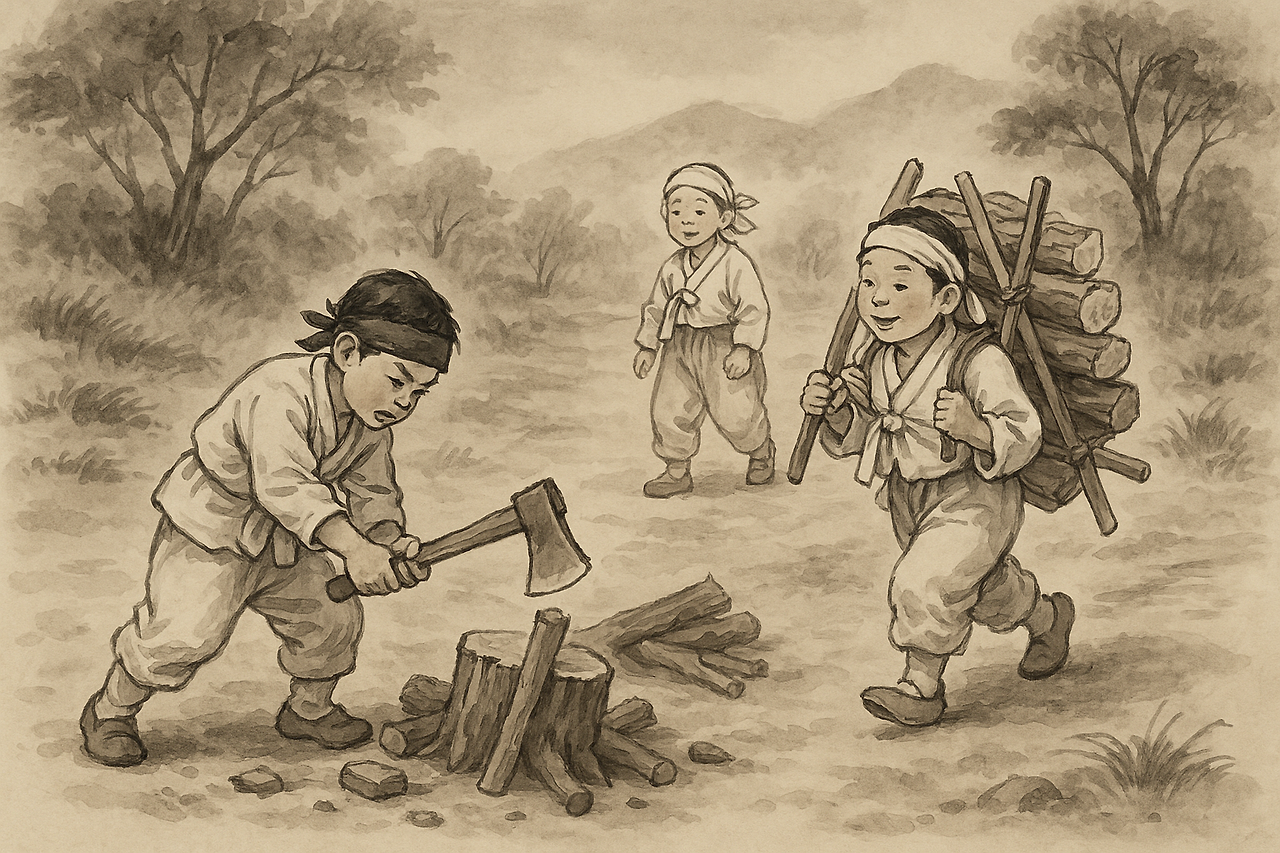
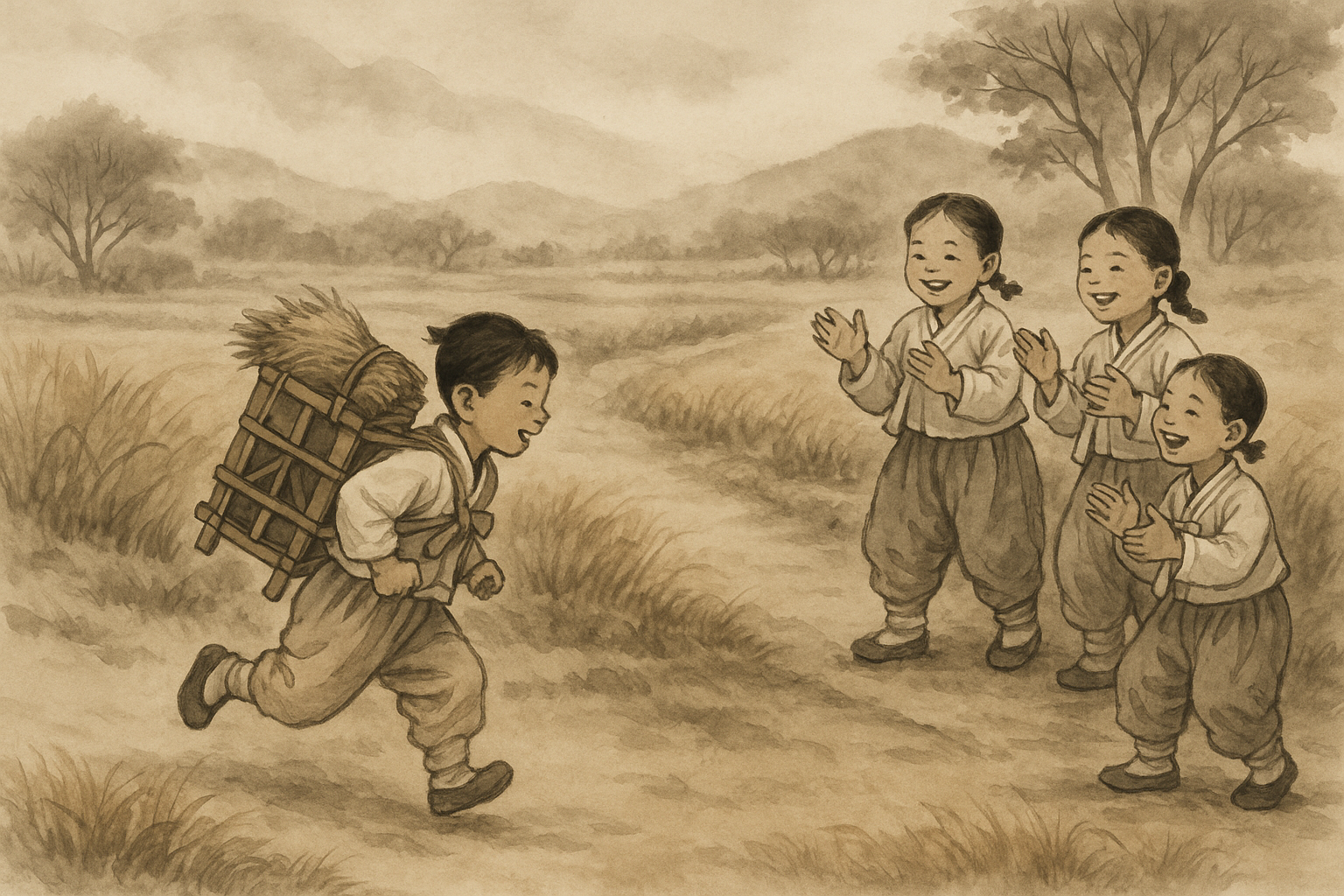
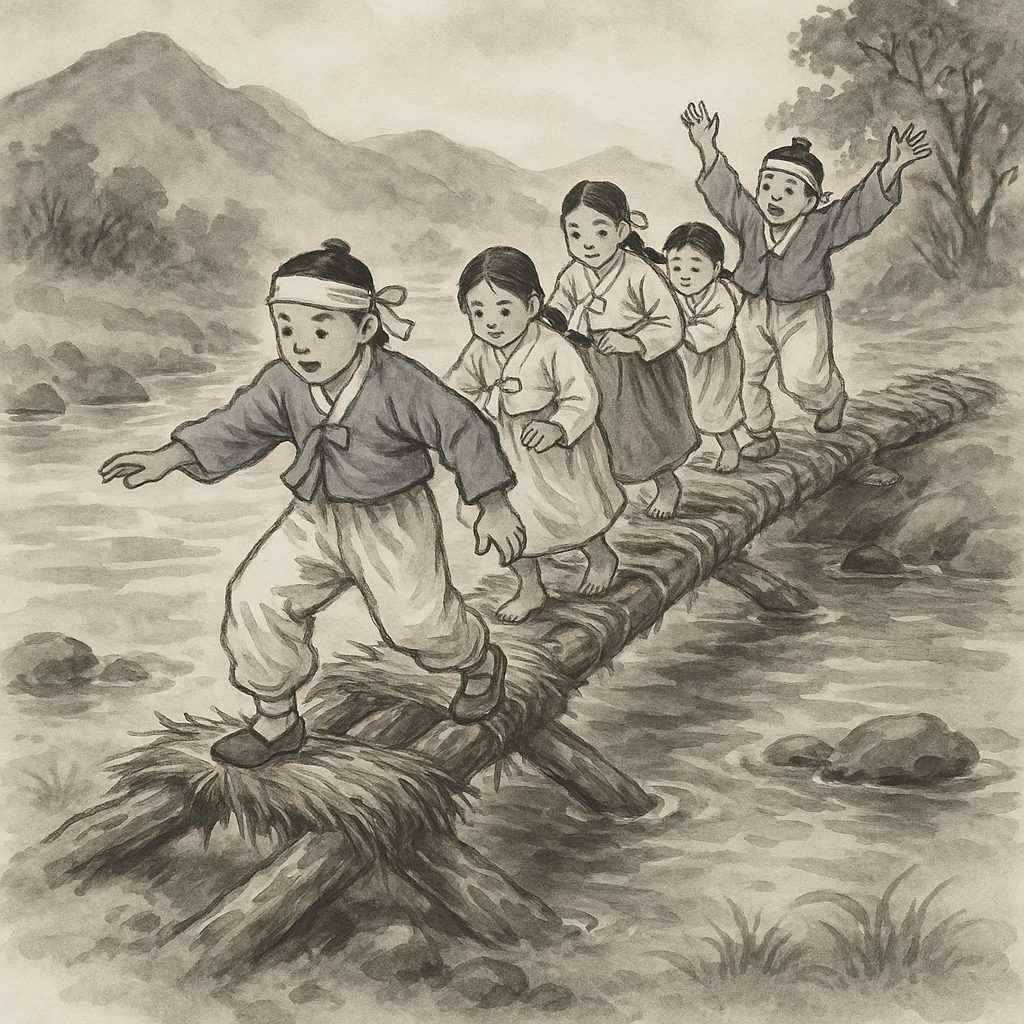
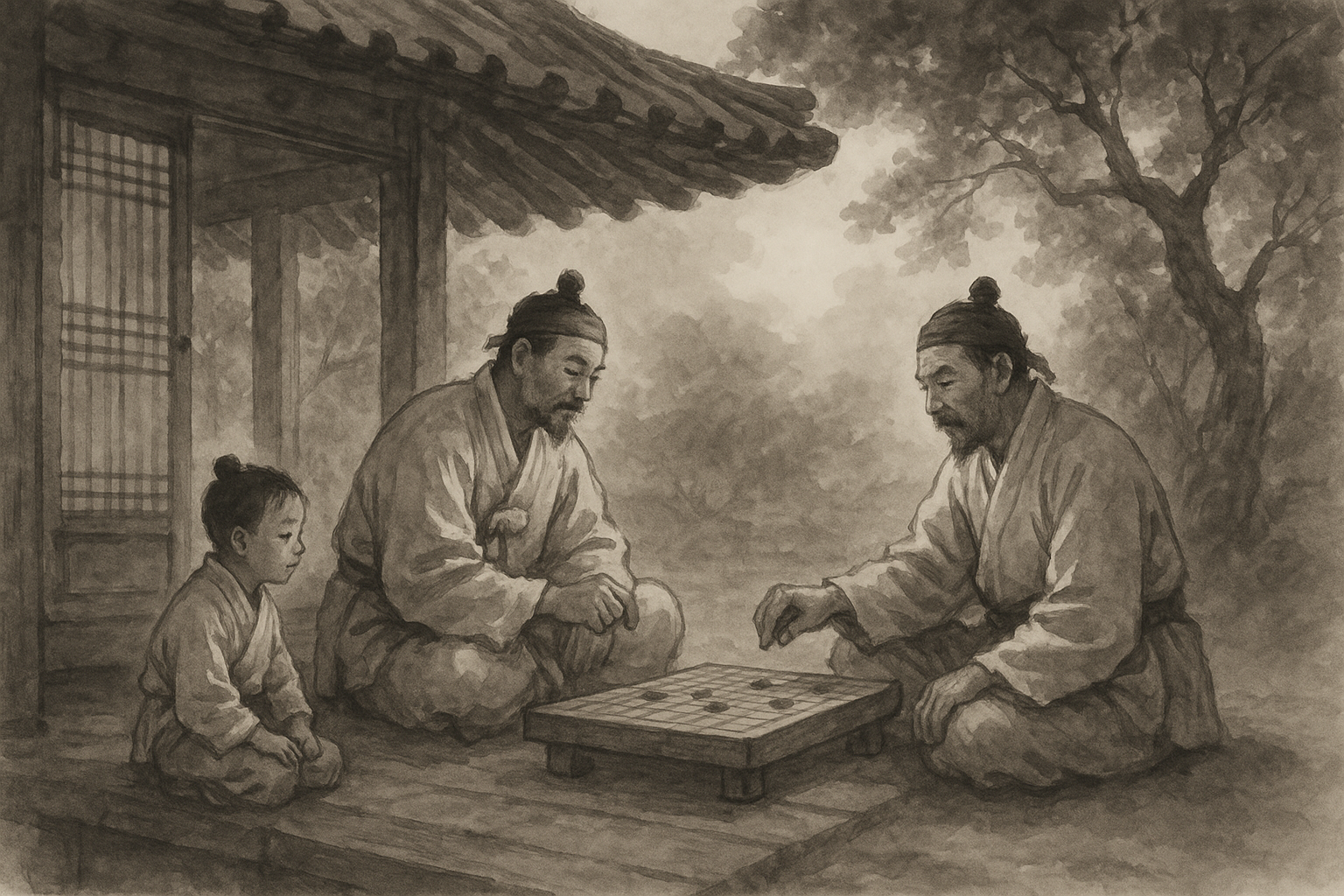
🍂 Korean Traditional Game Series 36Jangseung Seugi Nori(장승세우기놀이 · Korean Totem Pole-Raising Game) 🕰️ 1. IntroductionJangseung Seugi Nori (장승세우기놀이), meaning “totem pole-raising play,” is a traditional Korean communal event where villagers carve, decorate, and erect jangseung — wooden guardian poles — at the entrance of the village.This custom blended ritual, craftsmanship, and play, serving bot..