learnkorean 357

한국 속담 : 고생을 사서 한다

한국 속담 시리즈 183편고생을 사서 한다💦 1. 속담 뜻풀이**“고생을 사서 한다”**는 굳이 힘들지 않아도 될 일을 스스로 찾아서 고생하는 사람을 빗댄 말입니다. 즉, 남들은 피하려는 일을 일부러 떠맡거나, 자신의 성급함이나 욕심 때문에 스스로 고생을 자초하는 상황을 표현한 속담이에요.🌿 2. 삶의 예시▪️ 시간이 넉넉한데 굳이 일을 한꺼번에 다 해치우려다 지쳐버리는 사람.▪️ 남이 맡을 일까지 책임감 때문에 떠맡아 고생하는 경우.▪️ 불필요한 경쟁이나 감정싸움에 스스로 뛰어드는 모습도 여기에 해당됩니다.🌐 3. 외국의 유사 속담과 비교 영국: “He digs his own grave.” (스스로 무덤을 판다.) 중국: “自找苦吃” (스스로 괴로움을 찾아먹는다.) 일본: “自ら苦労を買う” (스스..

한국 설화 : 영암 도갑사 도선국사 전설

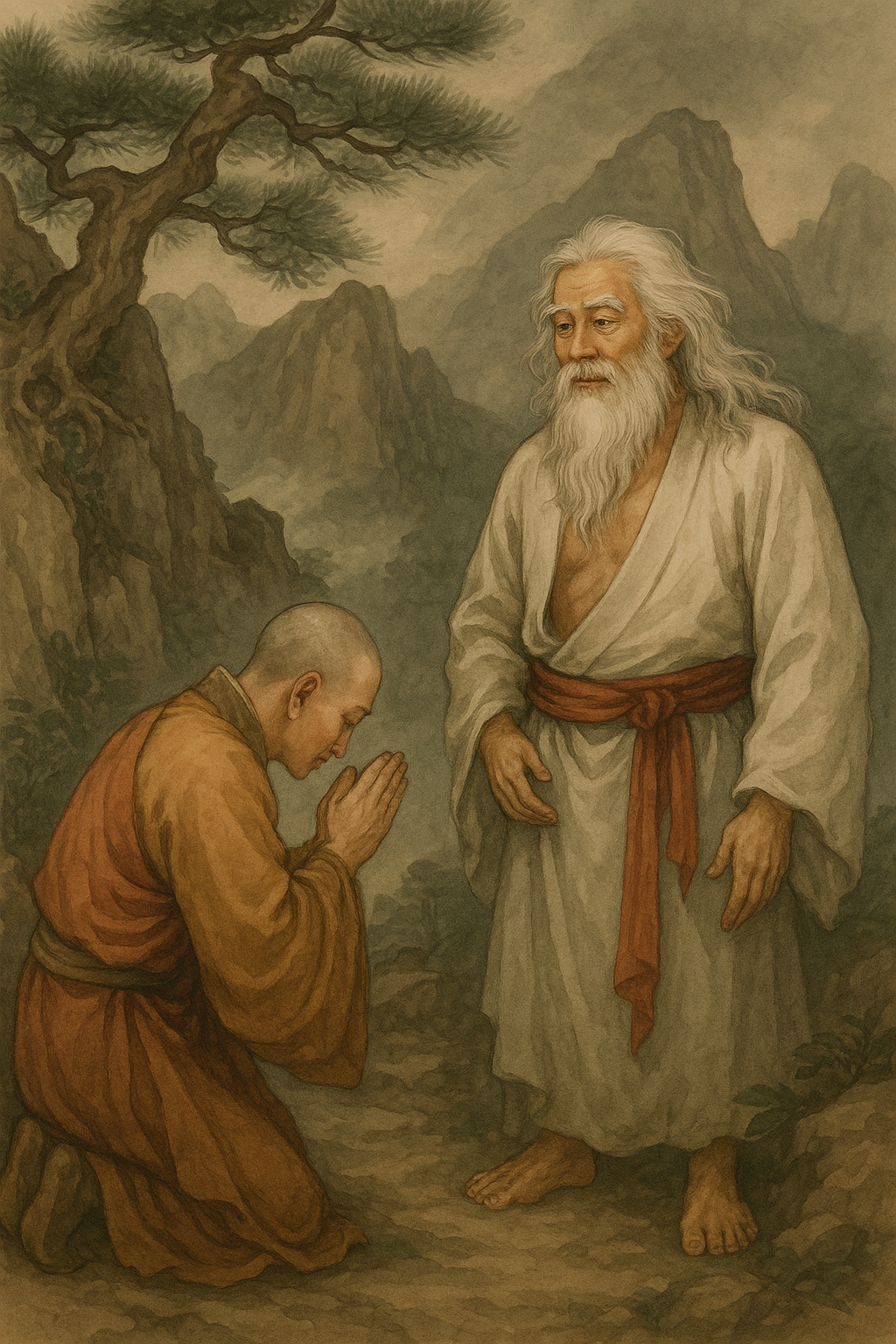
🪷 한국 설화 185편 –영암 도갑사 도선국사 전설전라남도 영암에 자리한 **도갑사(道岬寺)**는 신라 말기의 고승 **도선국사(道詵國師)**가 창건한 사찰로 전해집니다.그는 풍수지리의 대가이자, 하늘의 뜻을 읽는 승려로서 수많은 전설을 남겼습니다.📜 1. 전설의 시작옛날 신라 말기, 나라가 어지럽고 백성들이 굶주리던 때였습니다.도선국사는 전국을 떠돌며 산세를 살피고, 백성들을 위한 터를 잡아 절을 세웠습니다. 어느 날, 그는 영암의 월출산 아래에서 신비한 빛이 하늘로 뻗는 것을 보고 중얼거렸습니다.“이곳은 하늘의 기운이 모이는 자리로다. 부처의 도(道)가 머무를 땅이니, 절을 세워야 하리라.”그리하여 그는 그 자리에 도갑사를 세웠다고 합니다.🌙 2. 산신의 시험전설에 따르면, 절을 세우려 하자 산..

Korean Folktale : The Snail Bride

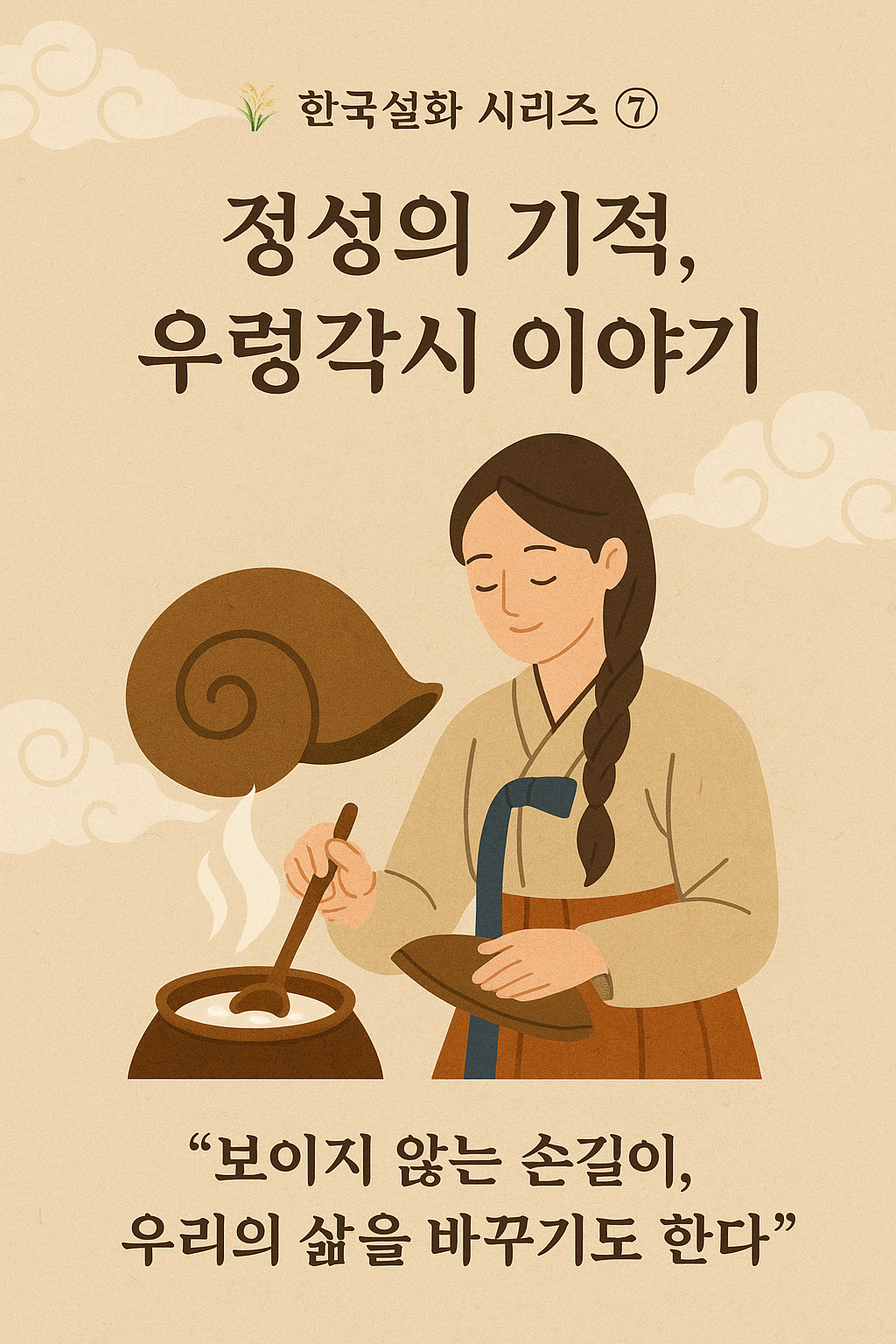
🍂 Korean Folktale Series 7“The Snail Bride”(우렁각시 이야기 · Ureong Gaksi Iyagi)🕰️ 1. The StoryLong ago, there lived a poor young farmer who worked tirelessly from dawn until dusk, yet had no one to share his life with. One day, while plowing his field, he discovered a large, beautiful snail shell shimmering under the sun. Out of curiosity and kindness, he brought it home and carefully placed it in ..

Korean Folktale : The Honest Woodcutter

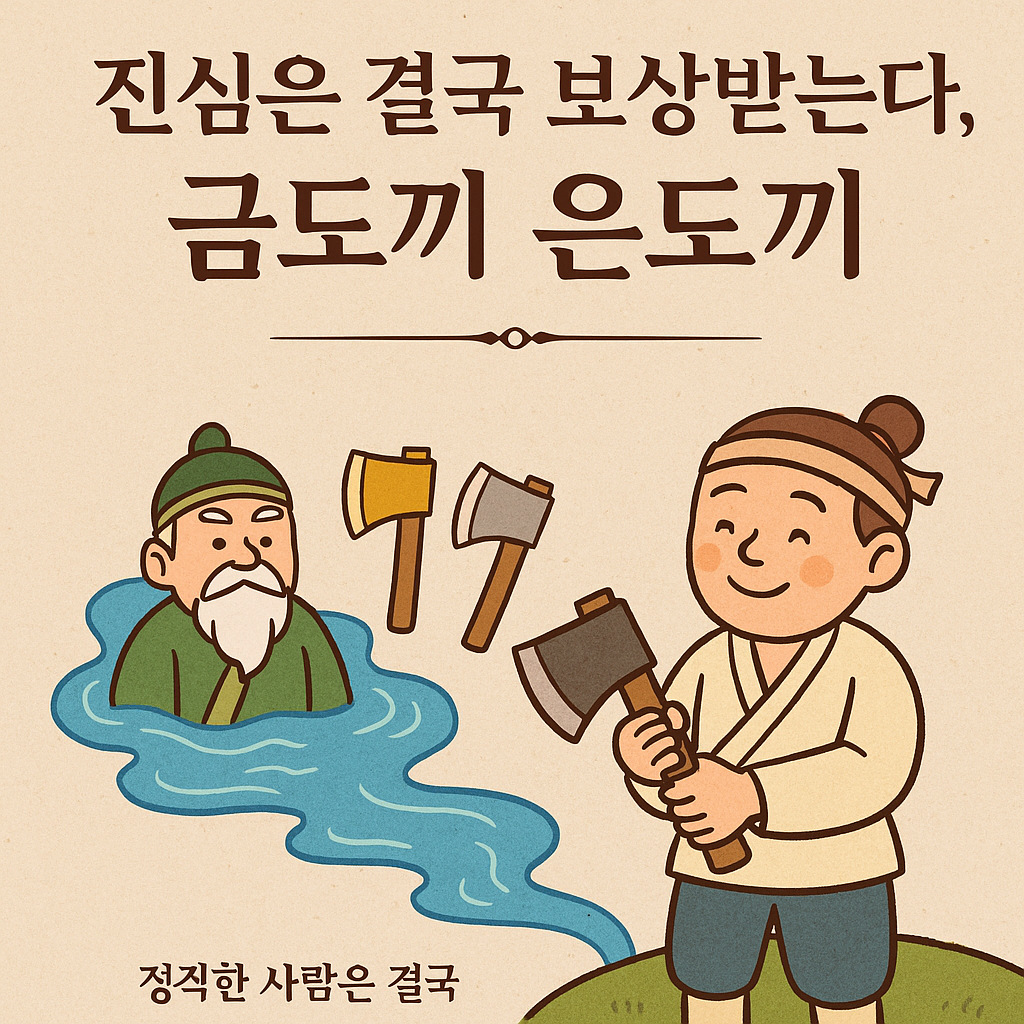
🍂 Korean Folktale Series 6“The Honest Woodcutter”(금도끼 은도끼 · Geumdokki Eundokki)🕰️ 1. The StoryOnce upon a time, a poor but honest woodcutter lived near a deep forest. One day, while chopping wood by a pond, his only axe accidentally slipped from his hands and sank into the water. Knowing his survival depended on that tool, the man sat down in deep despair. Moved by the man’s sincerity, the Mou..

Korean Proverb : A Hoe Could Have Stopped It but Now It Takes a Spade

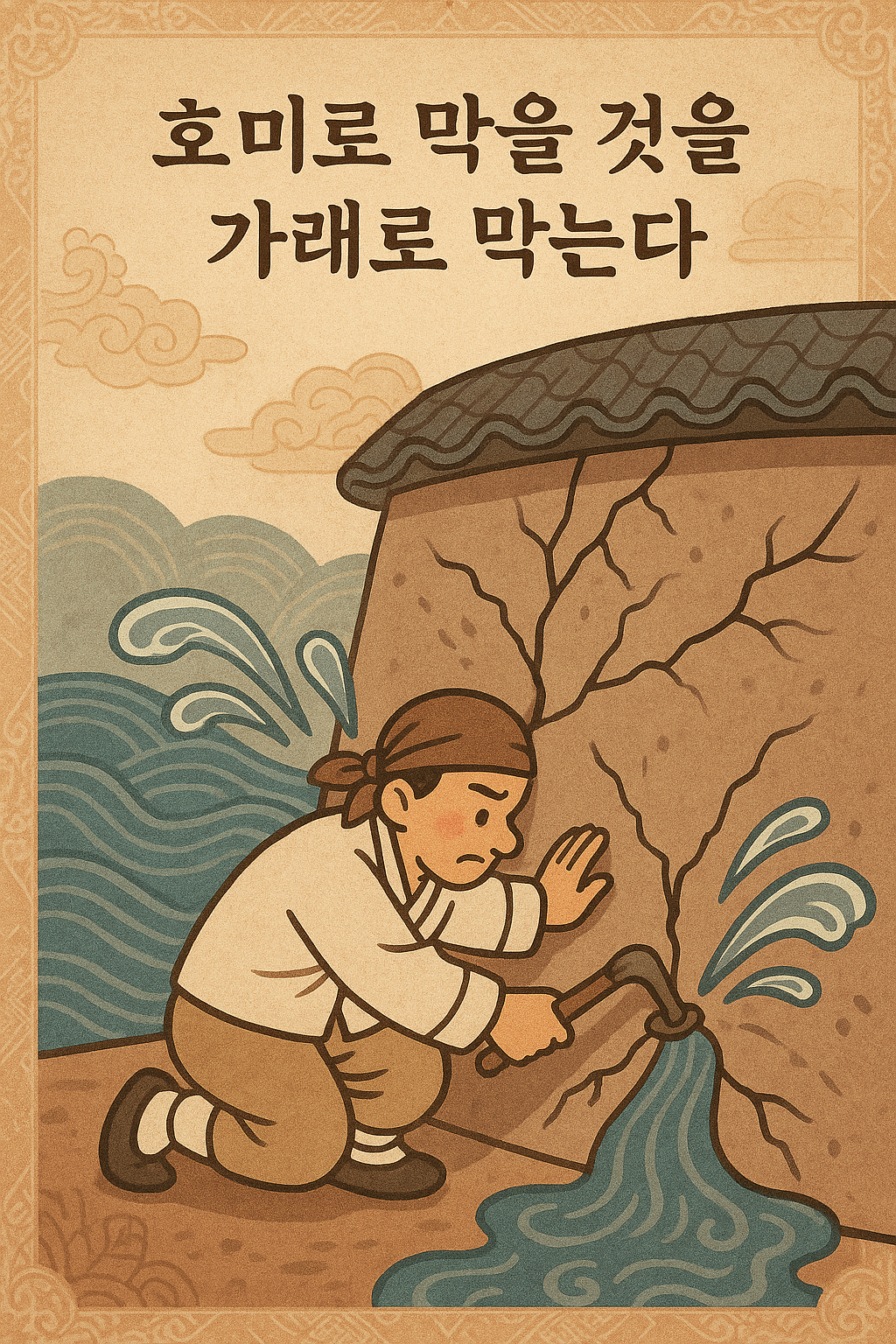
Korean Proverb Series 8A Hoe Could Have Stopped It, but Now It Takes a Spade"호미로 막을 것을 가래로 막는다"(Homi-ro mageul geoseul garae-ro makneunda)🕰️ 1. The Proverb’s Core MeaningThe Korean proverb “호미로 막을 것을 가래로 막는다” literally translates to:“What could have been stopped with a hoe must now be stopped with a spade.”This conveys the crucial lesson that neglecting small problems or mistakes early on allow..

Korean Proverb: Heaven Helps Those Who Help Themselves

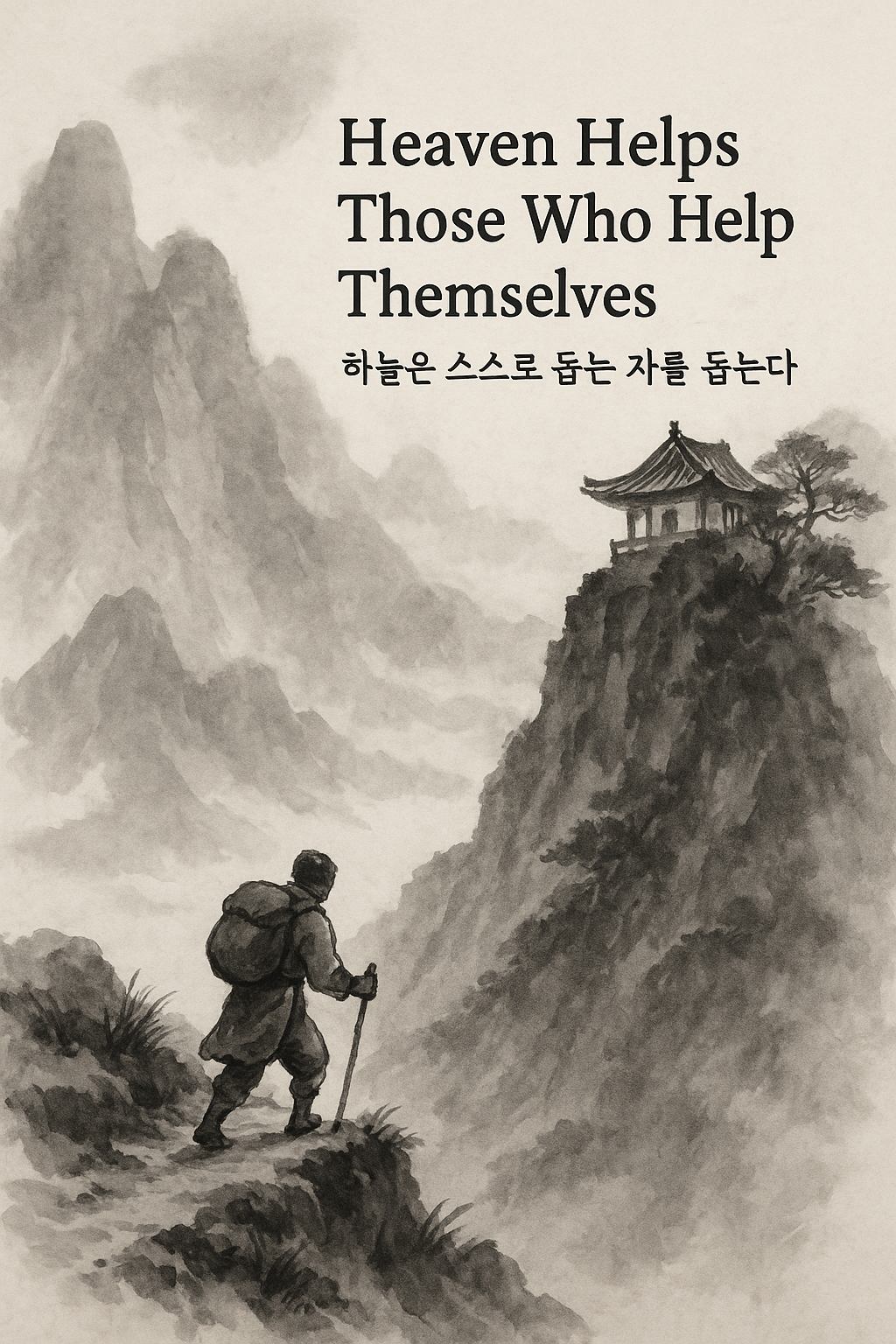
Korean Proverb Series 7Heaven Helps Those Who Help Themselves"하늘은 스스로 돕는 자를 돕는다"(Haneul-eun seuseuro dopneun jareul dopneunda)🕰️ 1. The Proverb’s Core MeaningThe Korean proverb “하늘은 스스로 돕는 자를 돕는다” literally translates to:“Heaven helps those who help themselves.”It conveys the powerful idea that divine assistance, fortune, or natural support comes not to those who passively wait, but to those wh..

한국 속담 : 머리 검은 짐승은 거두지 말라

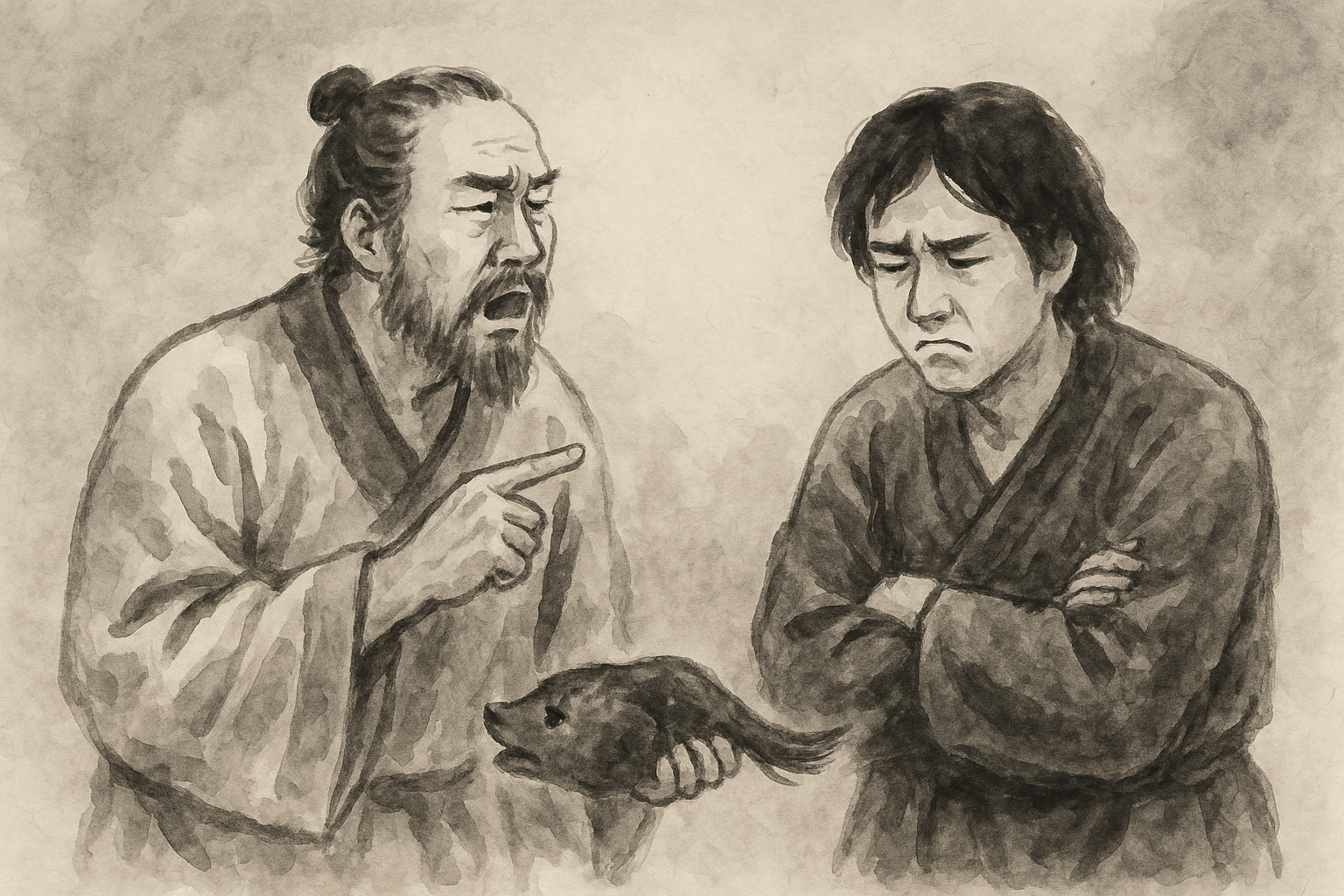
한국 속담 시리즈 182편머리 검은 짐승은 거두지 말라🐾 1. 속담 뜻풀이**“머리 검은 짐승은 거두지 말라”**는 사람을 거두어 은혜를 베풀더라도, 배은망덕하여 오히려 은혜를 갚지 않는 경우가 많다는 의미입니다. 여기서 머리 검은 짐승은 사람을 빗댄 표현이에요.머리카락이 검은 존재가 사람이니, 은혜를 베풀어도 되레 원망을 살 수 있다는 인생의 교훈을 담은 속담입니다.🌿 2. 삶의 예시▪️ 친절히 도와줬는데, 오히려 뒤에서 흉을 보는 사람.▪️ 큰 은혜를 받고도 잊고, 작은 섭섭함 때문에 원망하는 경우.▪️ 부모의 보살핌을 받고 자라면서도 부모에게 불효하는 자식에 대한 비유로도 쓰입니다.🌐 3. 외국의 유사 속담과 비교 영국: “No good deed goes unpunished.” (선행은 벌을 ..

Korean Folktale : Heungbu and Nolbu

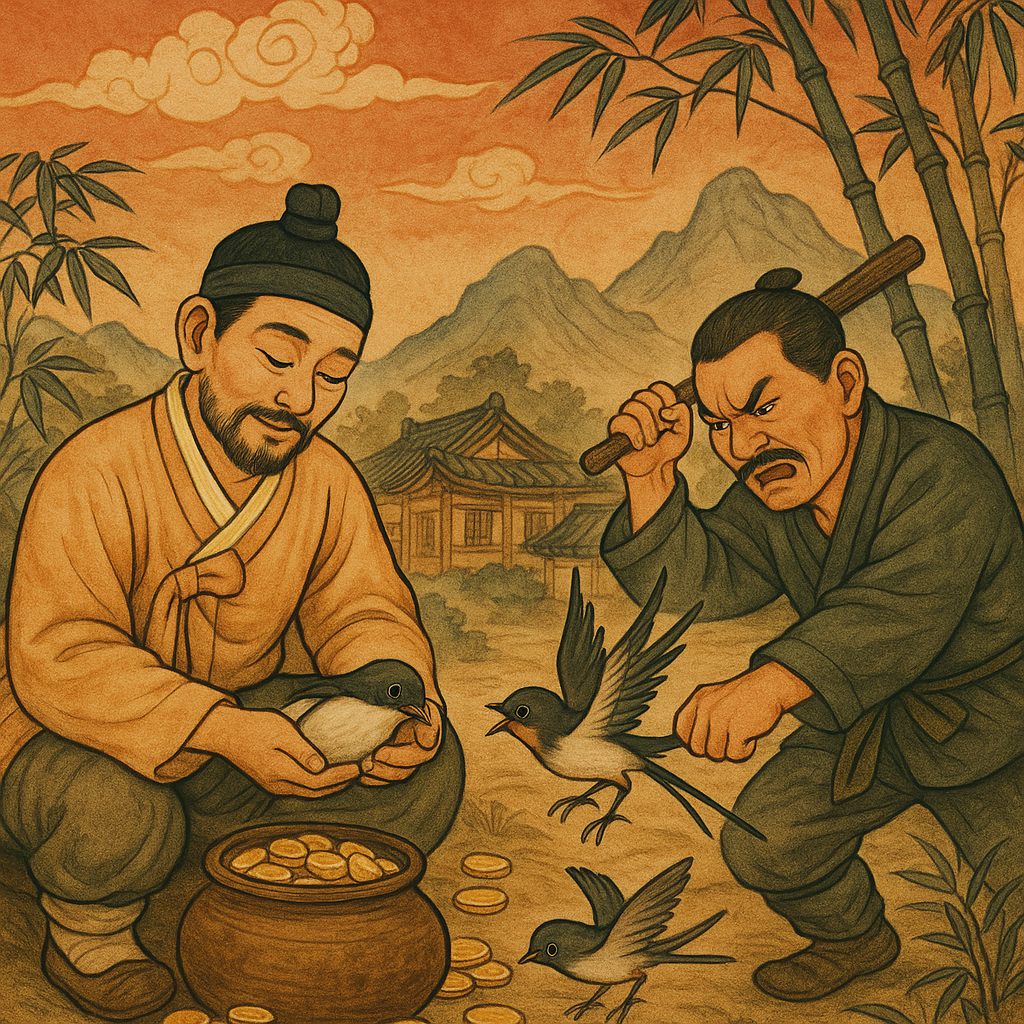
🍂 Korean Folktale Series 5“Heungbu and Nolbu”(흥부와 놀부 · Heungbu wa Nolbu)🕰️ 1. The StoryLong ago, there were two brothers with very different hearts. Heungbu, the younger, was poor but kind, while Nolbu, the elder, was wealthy but greedy and cruel. One spring, Heungbu found a swallow with a broken leg. Out of compassion, he carefully tended to the bird until it healed. In gratitude, the swallow..

한국 설화 : 고성 공룡 발자국 바위 이야기

🦕 한국 설화 184편 – 고성 공룡 발자국 바위 이야기경상남도 고성에는 수많은 공룡 발자국이 새겨진 바위가 남아 있습니다. 이곳 사람들은 오래전부터 이 발자국을 신비로운 전설과 연결해 이야기했습니다.📜 1. 전설의 시작아득한 옛날, 고성의 바닷가 마을에 거대한 용 같은 괴물이 나타나 마을을 괴롭혔습니다.사람들은 농사도 짓지 못하고 늘 두려움 속에 살아야 했습니다. 그때 하늘에서 신의 사자가 내려와 바다 괴물과 맞섰습니다. 그 사자는 거대한 공룡의 모습을 하고 있었지요.🪨 2. 발자국의 흔적신의 사자는 괴물을 몰아내며 바닷가를 힘차게 걸었습니다.그 발걸음마다 땅이 움푹 패였고, 그 자리는 바위에 그대로 새겨졌습니다. 사람들은 그 발자국을 보며 “하늘이 보낸 수호신이 우리를 지켜주었다”고 믿었습니다...

Korean Folktale : The Mischievous Goblin

🍂 Korean Folktale Series 4“The Mischievous Goblin”(도깨비 · Dokkaebi)🕰️ 1. The StoryIn Korean folklore, Dokkaebi are not ordinary ghosts or demons but unique, goblin-like beings. They are said to arise from inanimate objects that have absorbed spiritual energy, such as an old broom, a worn-out pot, or even a farmer’s plow. Dokkaebi are best known for their mischievous tricks. They often appear at..