Koreanculture 736

Korean Folktale : The Girl Who Prayed to Heaven for Her Parents

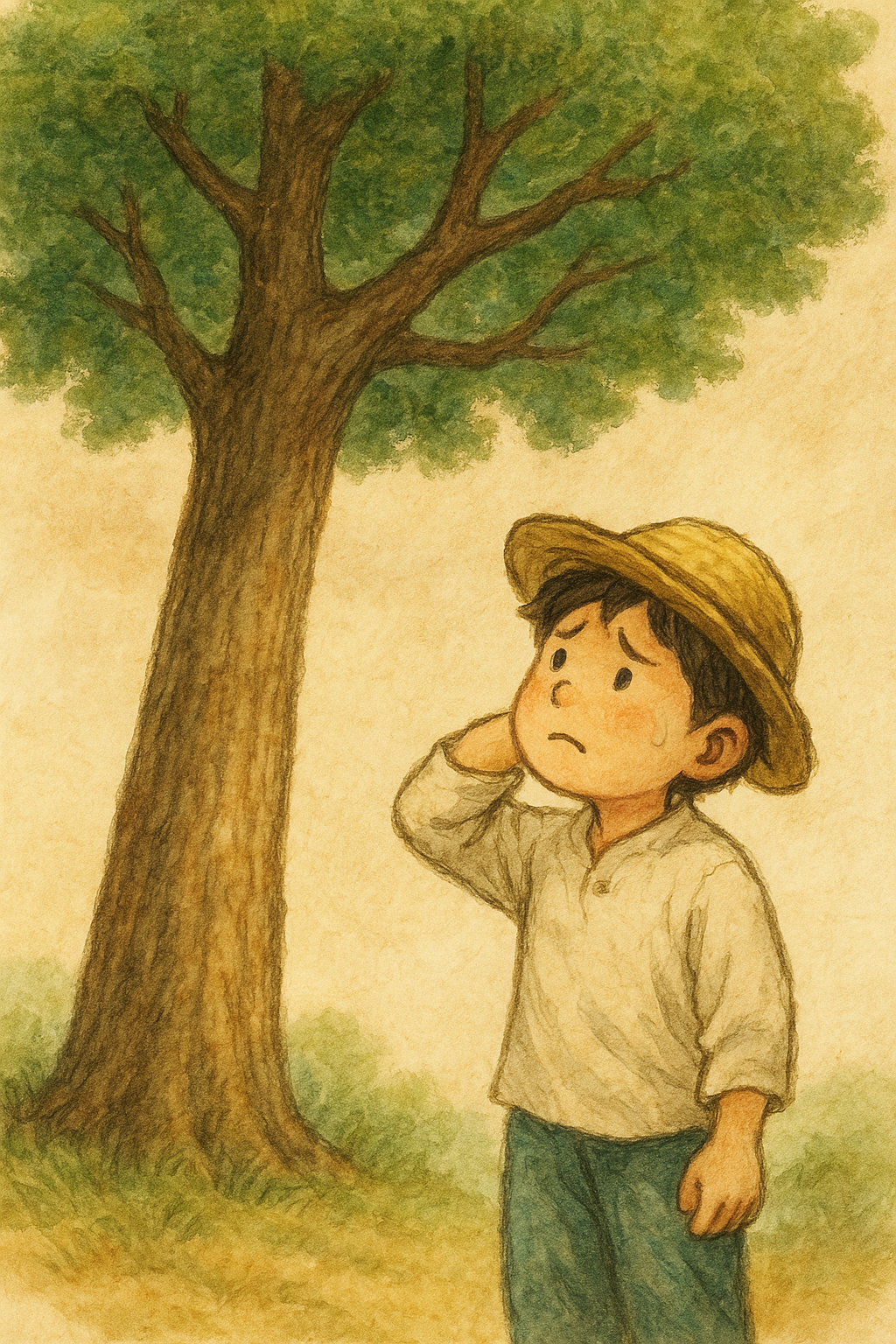
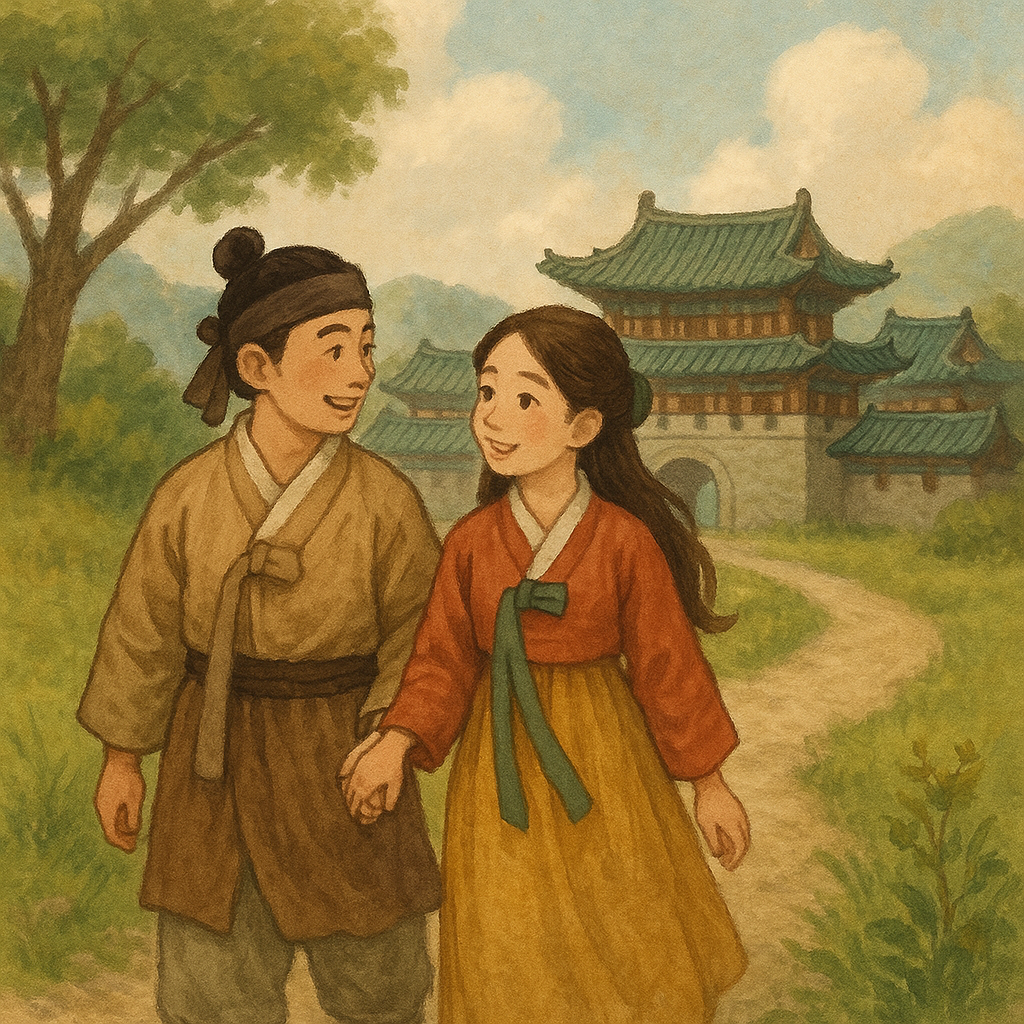
🌤️ Korean Folktale Series 67 “The Girl Who Prayed to Heaven for Her Parents”(부모 위해 하늘에 기도한 소녀 · Bumo Wihae Haneure Gidohan Sonyeo)🕰️ 1. The StoryLong ago, in a quiet mountain village, there lived a young girl named Areum. She was gentle, hardworking, and devoted to her elderly parents. Though they were poor, their home was filled with warmth because Areum cared for them with all her heart.One ..

Korean Traditional Game : Bongsunga Muldeurigi

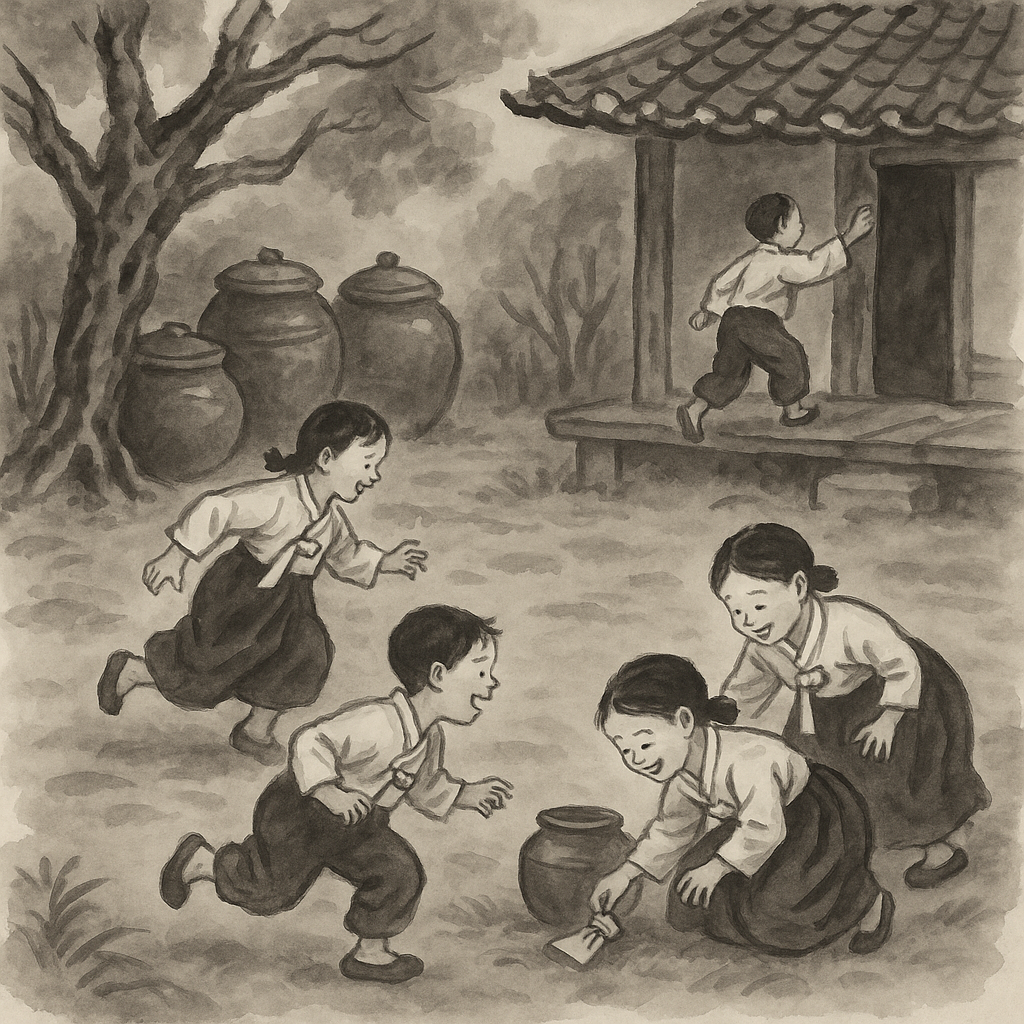
🌺 Korean Traditional Game Series 43 Bongsunga Muldeurigi(봉숭아물들이기 · Korean Balsam Flower Dyeing)🕰️ 1. IntroductionBongsunga Muldeurigi (봉숭아물들이기), or “dyeing with balsam flowers,” is one of Korea’s most graceful and sentimental traditional pastimes.It is not only a form of play but also a seasonal ritual — especially beloved by young girls during summer and early autumn when balsam flowers bloom..

Stories of Korea’s National Treasures : Writings of Buddhist Monk Hyeseim (Gosin Jeseo)

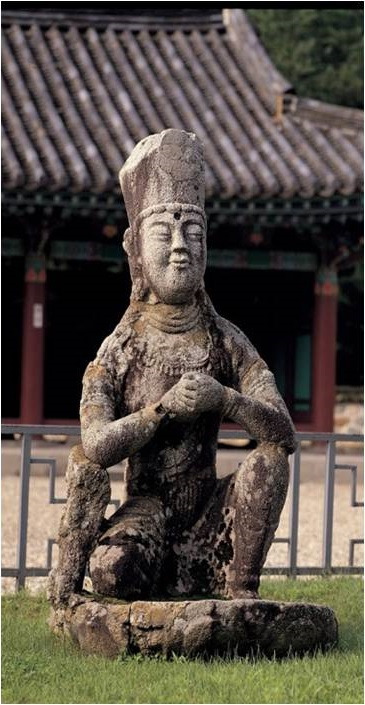
Stories of Korea’s National Treasures 43Photo Credit : Cultural Heritage Administration of KoreaWritings of Buddhist Monk Hyeseim (Gosin Jeseo)(Korea, Goryeo Dynasty)🏯 1. The Words of a Wise MonkAmong the literary treasures of the Goryeo Dynasty (918–1392) survives a rare and invaluable manuscript — the Writings of Buddhist Monk Hyeseim (Gosin Jeseo).Penned by Hyeseim (慧諶, 1178–1234), a revered..

한국 전통놀이 : 폭죽놀이

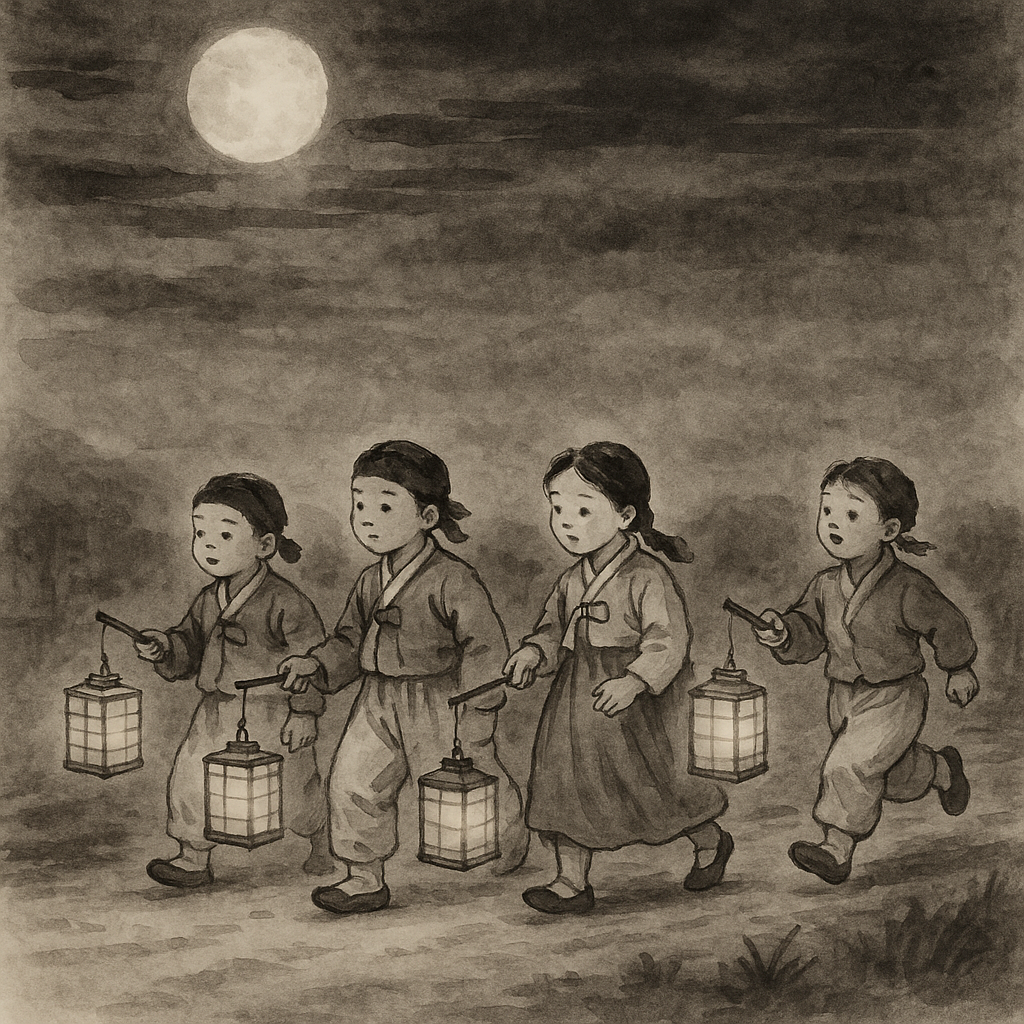
🎋 한국 전통놀이 92편 폭죽놀이 – 불빛으로 복을 부르는 세시의 놀이 ✨ 1. 놀이의 개요폭죽놀이는 불을 붙여 터뜨리며 즐기는 전통의 불놀이로, 정월대보름·단오·추석 같은 절일(節日)에 액운을 물리치고 복을 부르는 의미로 행해졌습니다. 오늘날엔 불꽃놀이로 알려져 있지만, 예전에는 대나무나 화약 대신 유황·송진·종이 심지 등 천연 재료를 이용해 직접 폭죽을 만들어 즐겼습니다. 아이들에게 폭죽놀이는 단순한 장난이 아니라, 하늘로 솟는 불빛 속에 희망과 소원을 담는 의례적 놀이였습니다. 🎍 2. 놀이의 유래폭죽놀이는 중국 당나라 시대의 풍속이 전해져 고려를 거쳐 조선에 뿌리내린 것으로 알려졌습니다.『조선왕조실록』에는 “정월 대보름에 궁중에서 불놀이를 하였다”는 기록이 있고, 민간에서는 ‘불놀음’·‘불쏘시..

한국의 국보 : 예산 수덕사 대웅전

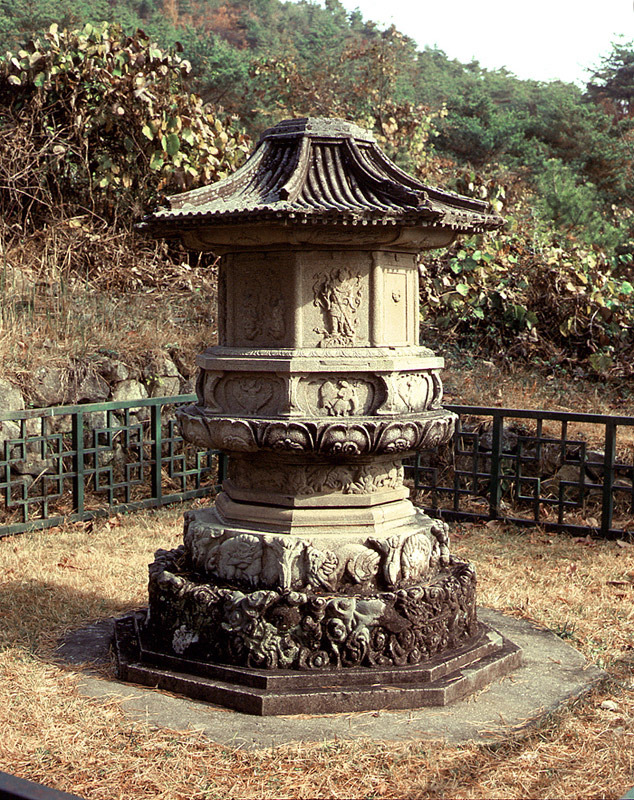
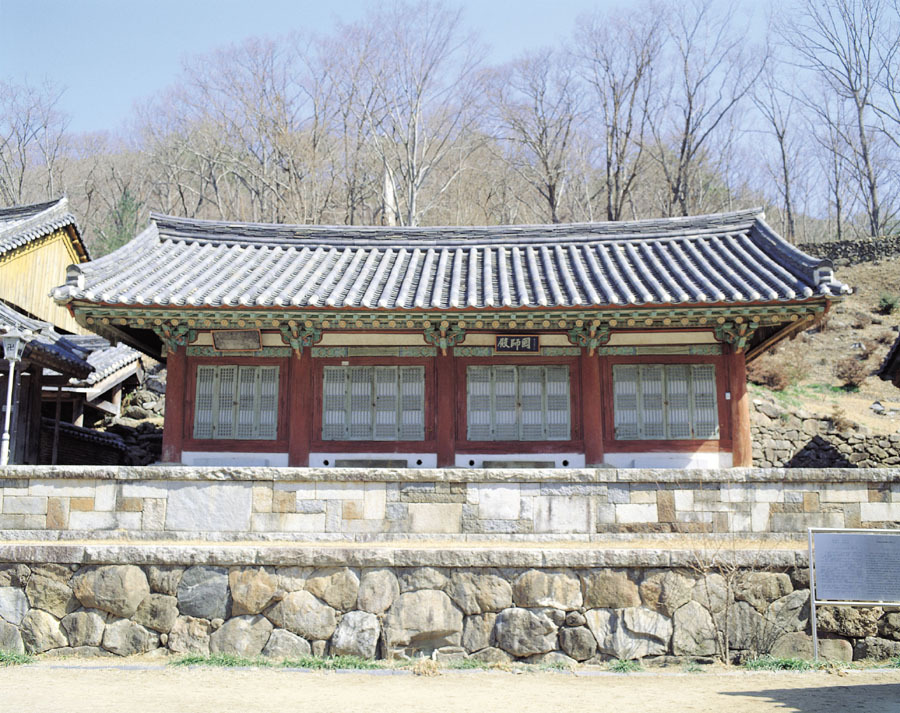
한국의 국보 이야기 시리즈 50사진출처 : 국가유산청 - 🏯 예산 수덕사 대웅전 - 📍 위치: 충남 예산군 덕산면 수덕사⏳ 시대: 고려 후기(1308년)✨ 1. 역사와 개요예산 수덕사 대웅전은 고려시대 목조건축의 대표작이자, 현존하는 가장 오래된 불전(佛殿) 중 하나입니다.수덕사는 백제시대 창건된 사찰로 알려져 있으며, 대웅전은 그 오랜 역사를 간직한 채 지금도 그대로 남아 있는 살아 있는 건축유산이에요. 이 건물은 단순한 법당이 아니라, 천 년 불교정신의 숨결과 고려 장인들의 정교한 손길이 고스란히 깃든 공간입니다.🏛️ 2. 구조와 특징정면 3칸, 측면 4칸의 규모로, 다포(多包)식 공포를 사용한 목조건축입니다.지붕은 맞배지붕 형태로 단정하고 안정감이 있으며, 기둥은 굵고 낮게 설계되어 전체적으로..

Korean Proverb : Interpretation Matters More Than the Dream

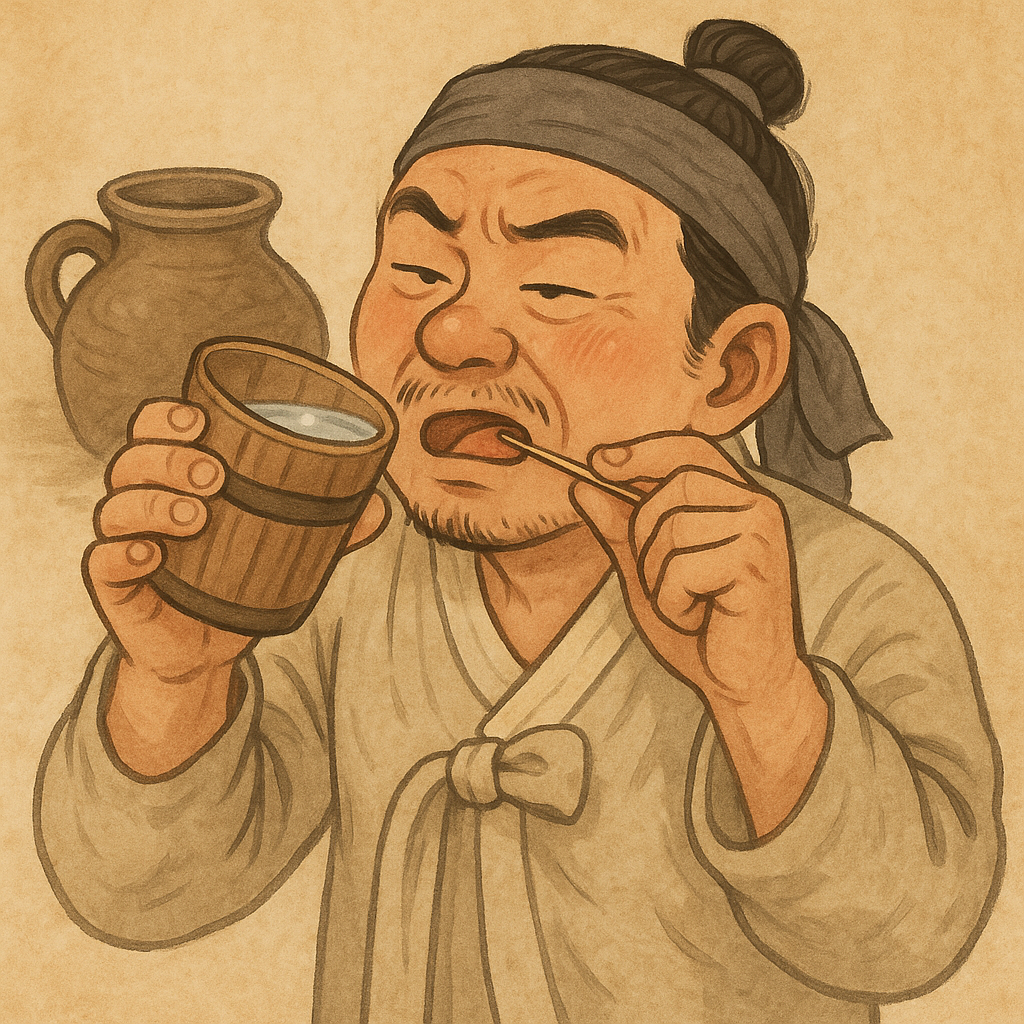
Korean Proverb Series 66Interpretation Matters More Than the Dream“꿈보다 해몽”(Kkumboda haemong)🕰️ 1. The Proverb’s Core MeaningThe Korean proverb “꿈보다 해몽” literally means“The interpretation is more important than the dream itself.”It teaches that how we interpret events matters more than the events themselves.A situation may be good or bad depending on the perspective we choose.Optimism can turn o..

Korean Proverb : You Reap What You Sow

Korean Proverb Series 65You Reap What You Sow“콩 심은 데 콩 나고 팥 심은 데 팥 난다”(Kong sim-eun de kong nago pat sim-eun de pat nanda)🕰️ 1. The Proverb’s Core MeaningThe Korean proverb “콩 심은 데 콩 나고 팥 심은 데 팥 난다” literally means“If you plant beans, beans will grow; if you plant red beans, red beans will grow.”It teaches that the outcome always matches the cause —what you do, say, or think determines what you..

Korean Folktale : The Legend of the Jindo Dog

🐕 Korean Folktale Series 66“The Legend of the Jindo Dog”(진돗개 전설 · Jindotgae Jeonseol)🕰️ 1. The StoryLong ago, on the quiet island of Jindo, there lived a young woman named Hwari and her loyal dog Baekgu. Baekgu had snow-white fur, sharp eyes, and a brave heart that never wavered. The villagers said he was no ordinary dog, but one blessed by the island’s guardian spirits. Hwari and Baekgu were ..

Korean Folktale : The Man Who Received a Letter from the Dead

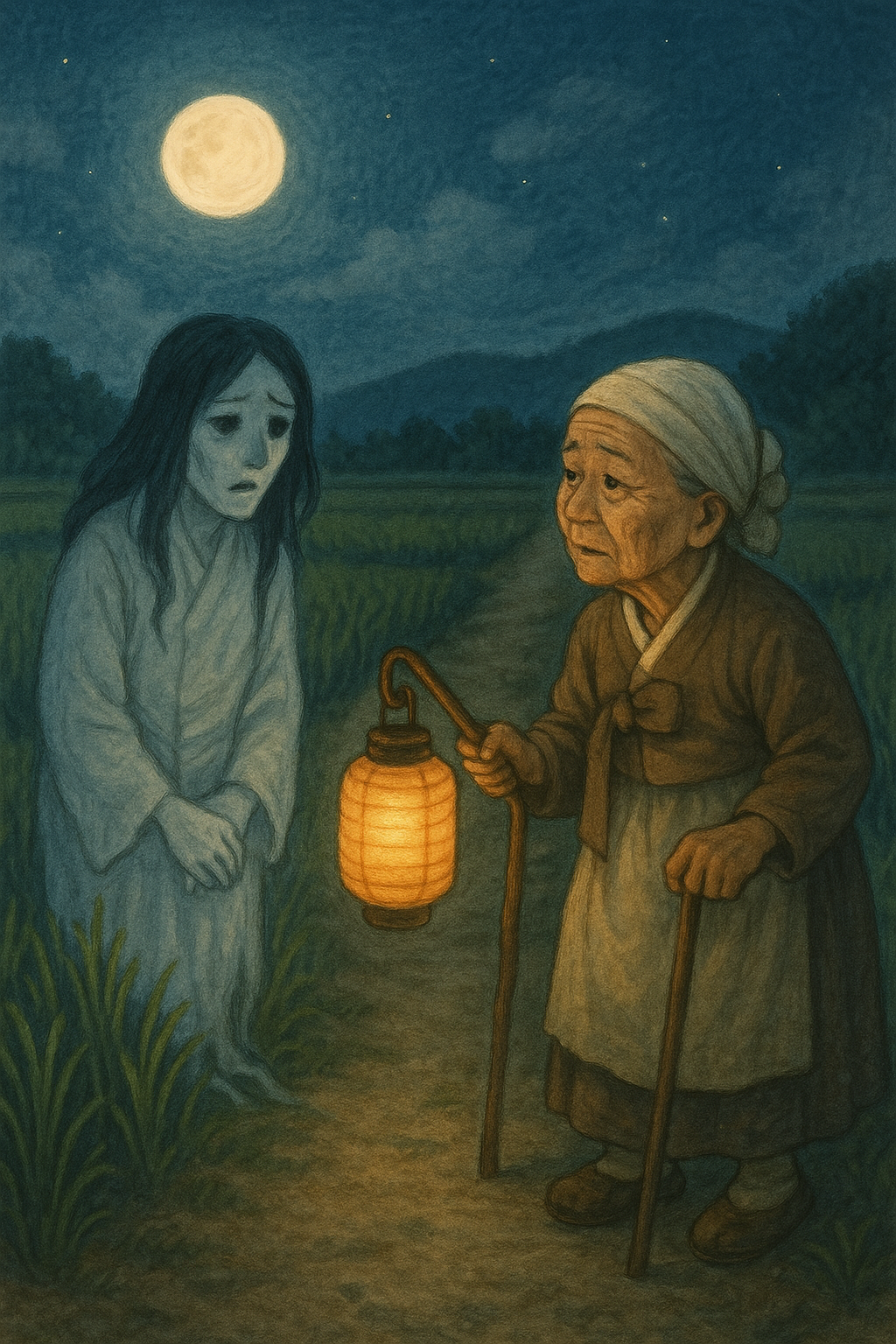
📜 Korean Folktale Series 65 “The Man Who Received a Letter from the Dead”(죽은 자의 편지를 받은 사내 · Jugeun Ja-ui Pyeonjireul Baden Sanae)🕰️ 1. The StoryLong ago, in a quiet village by the river, there lived a man named Dong-seok, a gentle soul known for his honesty and compassion. He worked as a postman, carrying letters between distant towns—messages of love, hope, and sometimes sorrow.One cold winte..

Korean Traditional Game : Baramgaebi Mandulgi

🌸 Korean Traditional Game Series 42 Baramgaebi Mandulgi(바람개비 만들기 · Korean Pinwheel Making)🕰️ 1. IntroductionBaramgaebi Mandulgi (바람개비 만들기), meaning “making a pinwheel,” is a cherished Korean childhood pastime that blends creativity, curiosity, and the joy of nature.The word baramgaebi literally means “wind wheel,” and this simple toy — spun by the breeze — symbolizes freedom and dreams carried..