K-CULTURE 551

Korean Proverb : Birds Hear Words by Day and Mice Hear Words by Night

Korean Proverb Series 5Birds Hear Words by Day, and Mice Hear Words by Night(Natmar-eun saega deutgo bammat-eun jwiga deutneunda · 낮말은 새가 듣고 밤말은 쥐가 듣는다)🕰️ 1. The ProverbThe Korean proverb “낮말은 새가 듣고 밤말은 쥐가 듣는다” literally means,“Words spoken in the day are heard by birds, and words spoken at night are heard by mice.”It conveys the idea that no matter when or where you speak, your words are bound..

Korean Folktale : The Woodcutter and the Heavenly Maiden

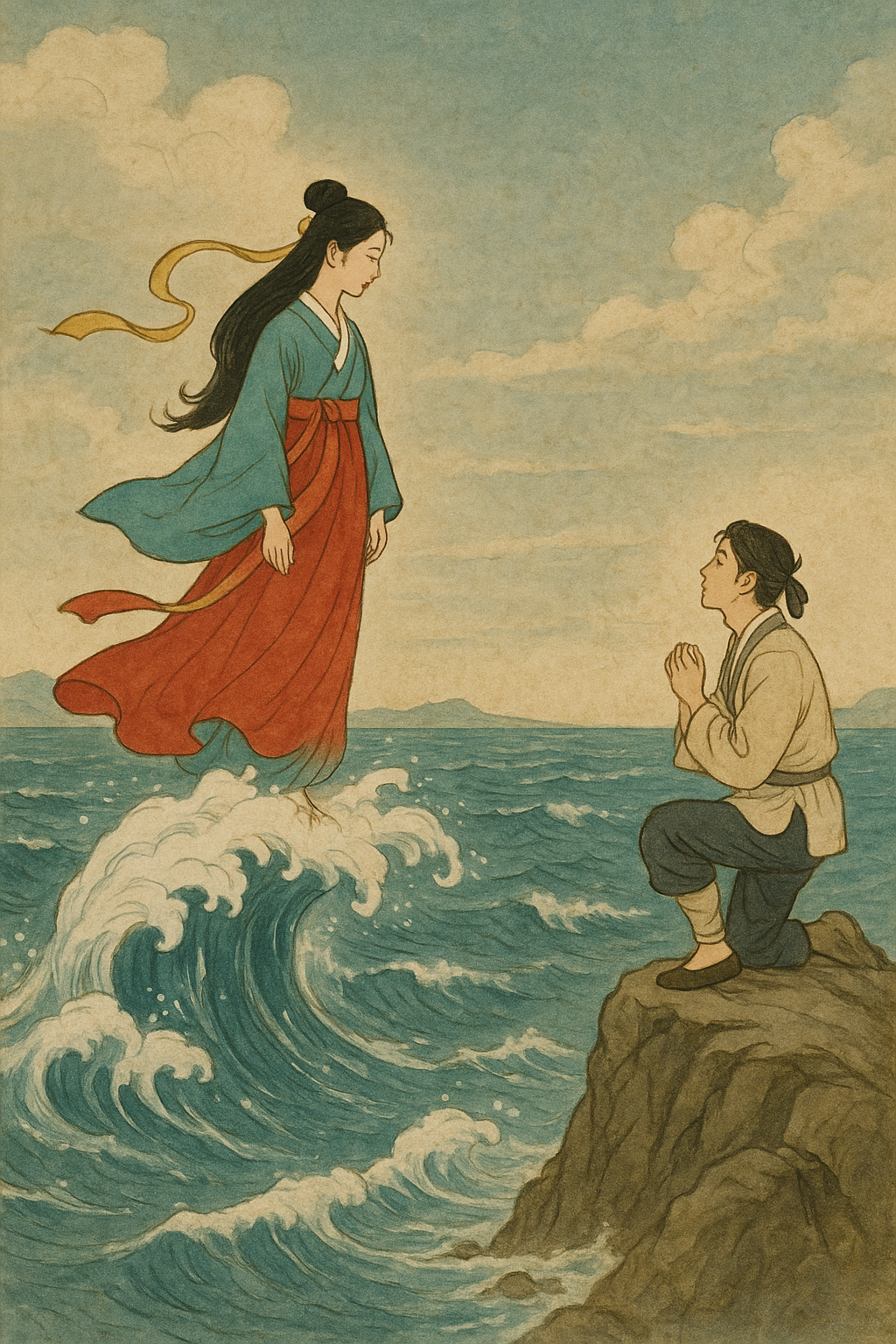
🍂 Korean Folktale Series 3“The Woodcutter and the Heavenly Maiden”(선녀와 나무꾼 · Seonnyeo wa Namukkun)🕰️ 1. The StoryLong ago, a poor woodcutter lived a humble life in the mountains. One day, he came across a group of heavenly maidens bathing in a hidden pond. With the help of a magical deer, he learned that if he hid one maiden’s feathered robe, she would not be able to return to the heavens. The..

Korean Proverb : Speak of the Tiger and It Appears

Korean Proverb Series 4Speak of the Tiger and It Appears(Horangi-do je mal hamyeon onda · 호랑이도 제 말 하면 온다)🕰️ 1. The ProverbThe Korean proverb “호랑이도 제 말 하면 온다” literally means,“Even a tiger appears when you speak of it.”It conveys the idea that talking about someone often coincides with their sudden appearance.🪄 2. Meaning & LessonWords have an uncanny way of summoning the subject of discussion...

Korean Folktale : Baridegi the Abandoned Princess

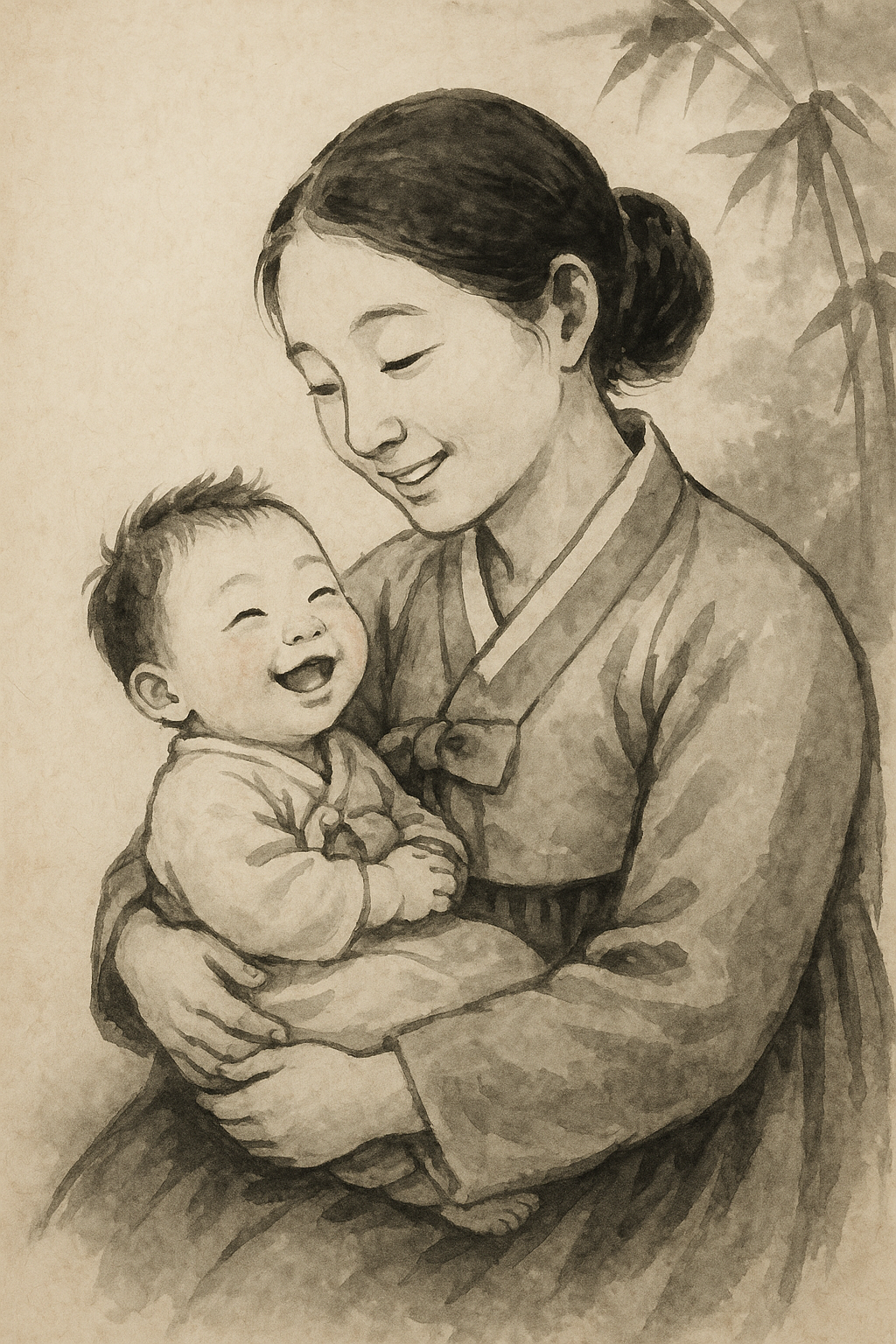
🍂 Korean Folktale Series 2“Baridegi, the Abandoned Princess”(바리데기 · Baridegi)🕰️ 1. The StoryLong ago, a king and queen had six daughters but longed desperately for a son. When their seventh child was born and turned out to be another girl, the distraught parents abandoned her, giving her the name Baridegi, meaning “the Abandoned One.”Despite her tragic start, Baridegi grew up strong and kind. ..

Korean Proverb : Kind Words Bring Kind Replies

Korean Proverb Series 3Kind Words Bring Kind Replies(Ganeun mal-i gowaya oneun mal-i gobda · 가는 말이 고와야 오는 말이 곱다)🕰️ 1. The ProverbThe Korean proverb “가는 말이 고와야 오는 말이 곱다” literally means,“Only if outgoing words are kind, will incoming words be kind.”It conveys the idea that the way you speak to others determines how they will respond to you.🪄 2. Meaning & LessonPolite and kind speech creates har..

한국 속담 : 사돈 남 말 한다

한국 속담 시리즈 181편사돈 남 말 한다👥 1. 속담 뜻풀이**“사돈 남 말 한다”**는 자기도 비슷한 처지이면서 남을 헐뜯거나 흉보는 상황을 빗댄 속담입니다. 사돈은 혼인으로 맺어진 양가의 관계라, 서로 닮은 점이나 비슷한 약점이 있을 수 있는데, 그런 처지이면서도 남 흉을 본다는 데서 나온 말입니다.🌿 2. 삶의 예시▪️ 자신도 게으르면서 남을 보고 게으르다고 흉보는 경우.▪️ 시험을 망친 학생이 다른 친구 성적을 두고 비웃는 모습.▪️ 회사에서 실수한 사람이 동료의 작은 실수를 크게 떠들어댈 때.🌐 3. 외국의 유사 속담과 비교 영국: “The pot calling the kettle black.” (검은 솥이 검은 주전자 흉본다.) 중국: “五十步笑百步” (50보 도망간 사람이 100보 도..

한국 설화 : 청도 소싸움의 유래 전설

🐂 한국 설화 183편 – 청도 소싸움의 유래 전설경상북도 청도는 예로부터 소싸움으로 유명한 고장이며, 오늘날에도 전국적으로 알려진 축제로 이어지고 있습니다. 그런데 이 소싸움에는 오래전부터 전해 내려오는 전설이 있습니다.📜 1. 전설의 시작옛날 청도 고을에는 농사를 잘 짓는 두 농부가 있었습니다.그들은 모두 힘센 황소를 기르고 있었는데, 어느 해 풍년을 기원하며 열린 마을 잔치에서 두 소가 우연히 맞붙게 되었습니다. 사람들은 처음에는 놀라 당황했지만, 이내 소들이 힘을 겨루는 모습을 보며 박수를 치고 응원했습니다.“소들이 싸우는 기운이 풍년을 불러올 것이다!”⚔️ 2. 소싸움의 의미그 후로 마을에서는 해마다 봄이 되면 두 마을의 소를 모아 힘을 겨루게 했습니다.사람들은 소싸움을 단순한 놀이가 아니라..

한국 속담 : 족제비 잡은 데 꼬리 달라는 격

한국 속담 시리즈 180편족제비 잡은 데 꼬리 달라는 격🦊 1. 속담 뜻풀이**“족제비 잡은 데 꼬리 달라는 격”**은 이미 큰 이익을 얻고도 더 작은 것까지 욕심내는 태도를 비유한 말입니다. 족제비를 잡는 것만으로도 충분히 값진데, 거기에 꼬리까지 내놓으라며 더 챙기려는 것은 지나친 탐욕을 꼬집은 것이지요.🌿 2. 삶의 예시▪️ 상을 받고도 상금이 적다고 불평하는 경우.▪️ 계약에서 이미 유리한 조건을 얻었으면서 사소한 추가 혜택까지 끝내 요구하는 경우.▪️ 친구가 귀한 물건을 빌려줬는데, 거기에 덤까지 달라고 떼쓰는 태도.🌐 3. 외국의 유사 속담과 비교 영국: “Give him an inch and he’ll take a mile.” (한 치를 주면 한 마일을 가져간다.) 중국: “得寸进尺” ..

한국 설화 : 하동 쌍계사 십리벚꽃길 설화

🌸 한국 설화 182편 – 하동 쌍계사 십리벚꽃길 설화경상남도 하동에는 봄이 되면 끝없이 이어지는 쌍계사 십리벚꽃길이 장관을 이룹니다. 이 벚꽃길에는 사랑과 희망을 담은 전설이 전해집니다.📜 1. 전설의 시작아득한 옛날, 하동의 쌍계사에는 자비로운 스님이 살고 있었습니다.스님은 늘 마을 사람들의 걱정을 덜어주며, 어려운 이들을 위해 기도했습니다. 그러던 어느 봄날, 마을에 큰 전염병이 돌았습니다. 사람들은 병으로 쓰러지고, 들판에는 꽃조차 피지 않았습니다.🌸 2. 벚꽃의 기적스님은 매일 밤 절 앞 길을 따라 기도하며 걸었습니다.“이 길이 사람들에게 희망이 되게 하소서.” 그 기도가 하늘에 닿았는지, 어느 날 새벽 길가에 벚나무가 줄지어 피어났습니다.순식간에 꽃길이 십리에 걸쳐 이어졌고, 그 향기 속..

Korean Folktale : The Tale of Sim Cheong

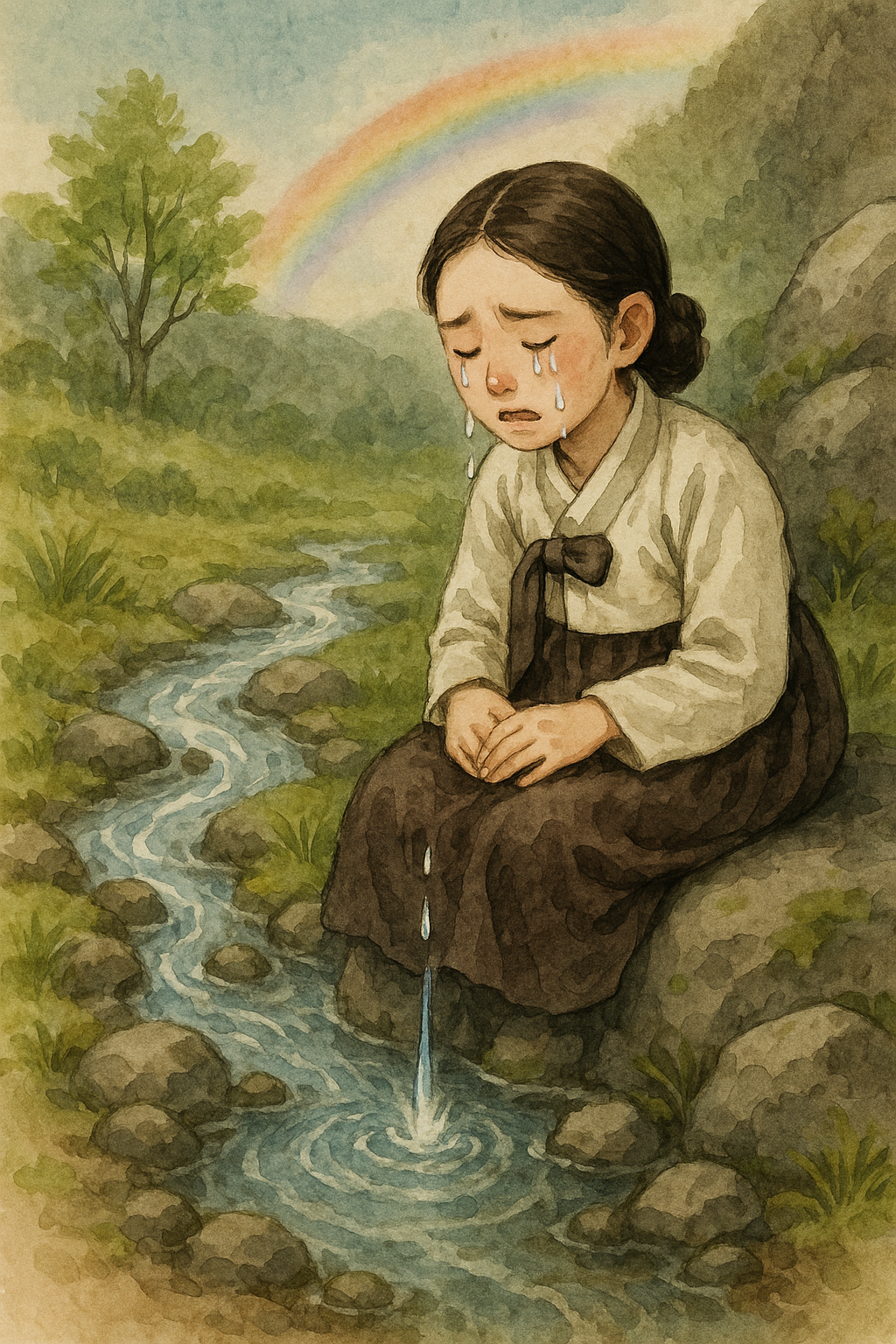
🍂 Korean Folktale Series 1“The Tale of Sim Cheong”(심청전 · Sim Cheong-jeon)🕰️ 1. The StoryOnce upon a time in Korea, there lived a poor blind man named Sim Hak-gyu and his devoted daughter, Sim Cheong. Despite their poverty, Sim Cheong loved her father deeply and devoted herself to caring for him. One day, Sim Hak-gyu expressed his wish to regain his sight. A Buddhist monk told him that if he of..