한국문화 562

한국 설화 : 연천 재인폭포 선녀 전설

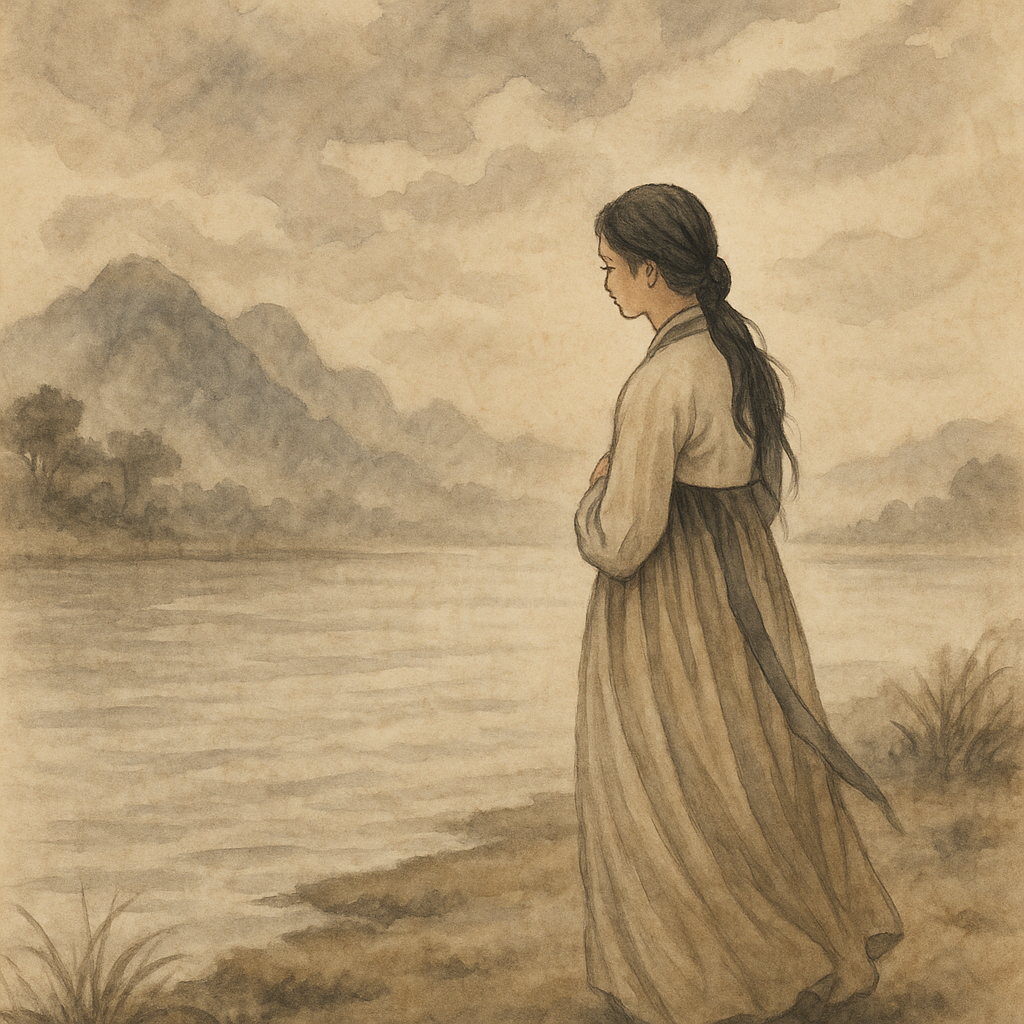
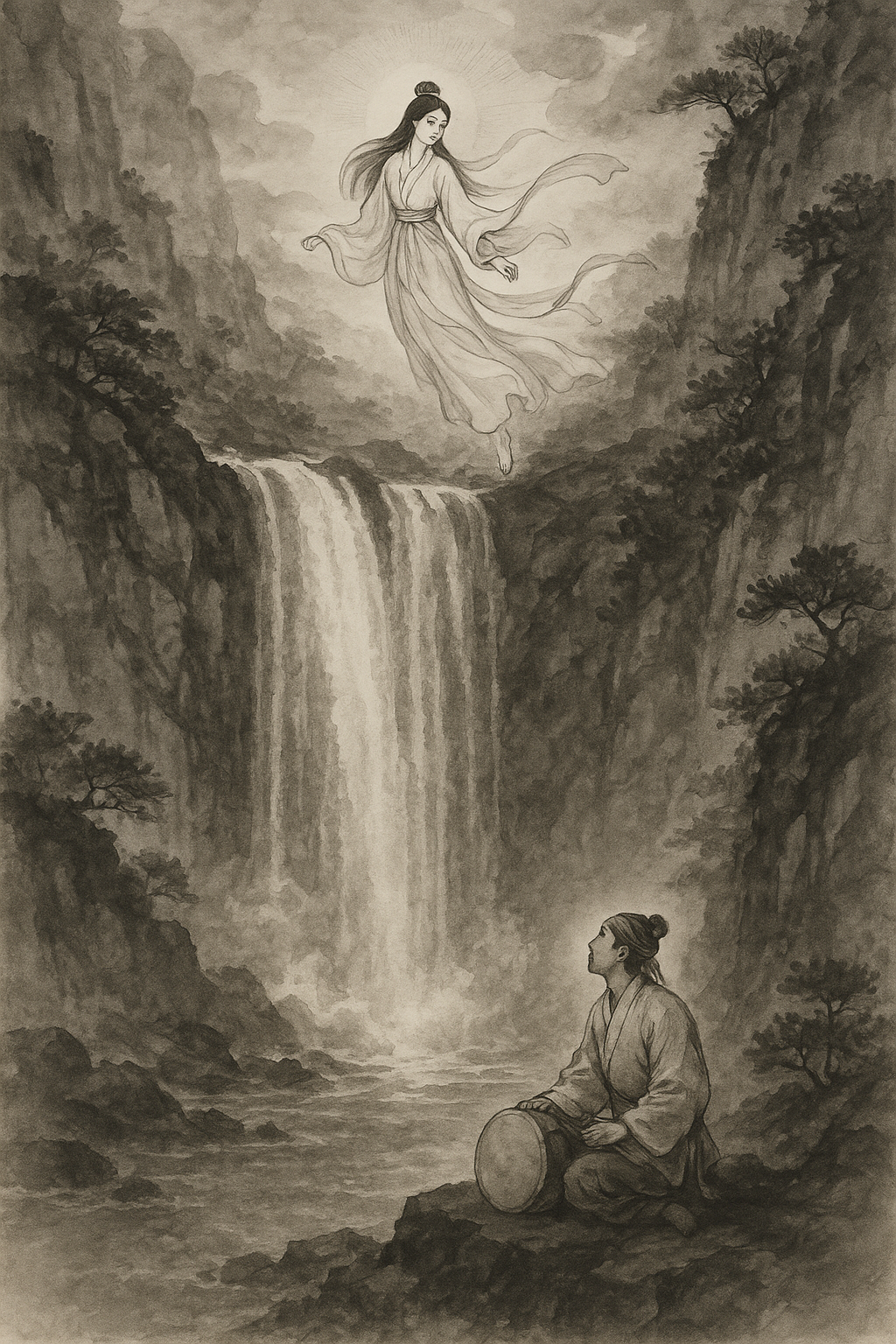
💧 한국 설화 192편 – 연천 재인폭포 선녀 전설경기도 연천의 깊은 산골짜기, 장대한 물줄기가 떨어지는 **재인폭포(才人瀑布)**에는 오래전부터 전해 내려오는 사랑과 속죄, 그리고 하늘의 은총이 깃든 전설이 있습니다.📜 1. 재인(才人)의 비밀아득한 옛날, 연천의 계곡 근처에는 춤과 노래에 능한 **재인(才人)**이라 불린 남자가 살았습니다.그는 마을 잔치마다 초대받아 북과 피리를 연주했고, 그의 춤은 사람들의 근심을 잊게 할 만큼 아름다웠습니다. 하지만 그에게는 한 가지 비밀이 있었습니다.밤이 되면 그는 산속 폭포 아래에서 홀로 춤을 추었지요.사람들은 그것을 보고 **‘하늘의 여인에게 춤을 바친다’**고 수군거렸습니다.🌙 2. 하늘에서 내려온 선녀어느 여름날, 그는 폭포 아래에서 노래를 부르며 ..

Korean Proverb : Even Monkeys Fall from Trees

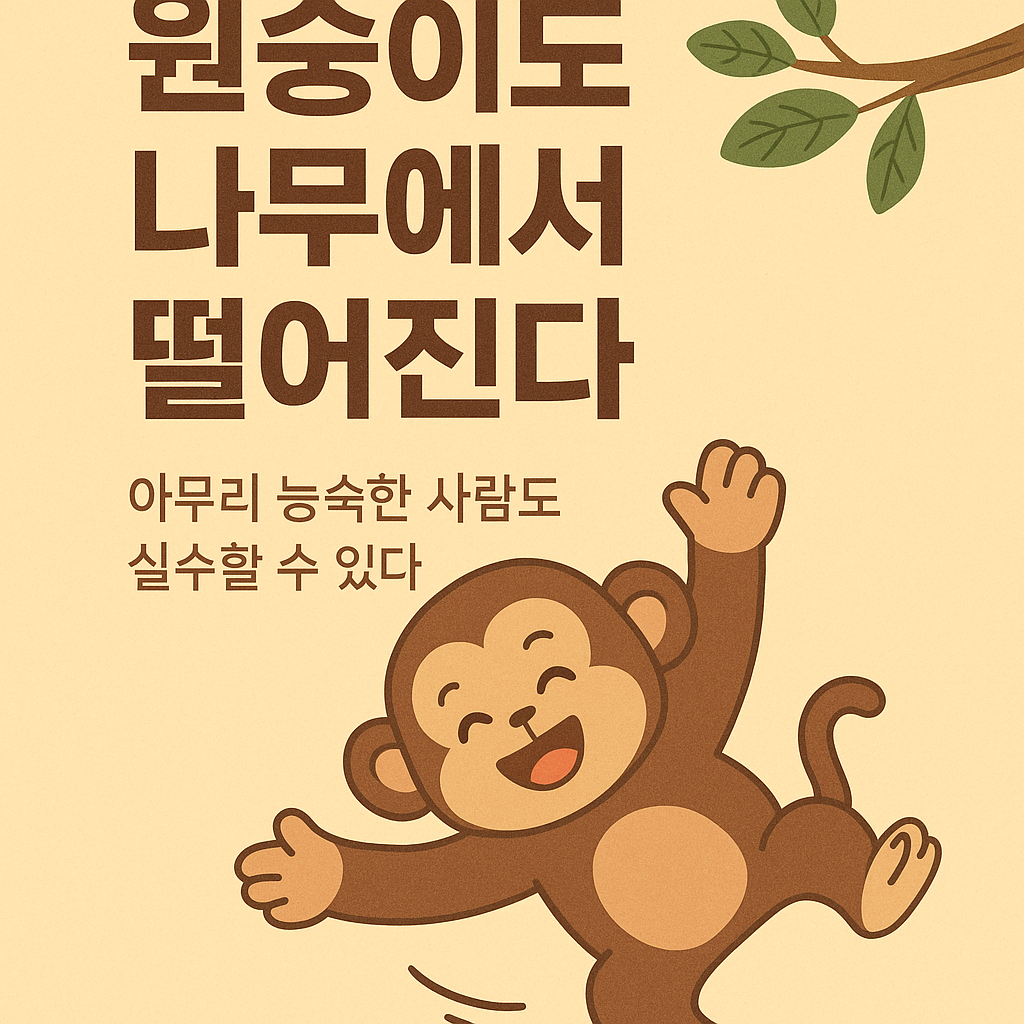
Korean Proverb Series 21Even Monkeys Fall from Trees"원숭이도 나무에서 떨어진다"(Wonsung-ido namu-eseo tteoreojinda)🕰️ 1. The Proverb’s Core MeaningThe Korean proverb “원숭이도 나무에서 떨어진다” literally translates to:“Even monkeys fall from trees.”It means that even experts — no matter how skilled or experienced — can make mistakes. The proverb serves as a reminder that perfection is impossible and that humility an..

Korean Folktale : The Deer and the Hunter

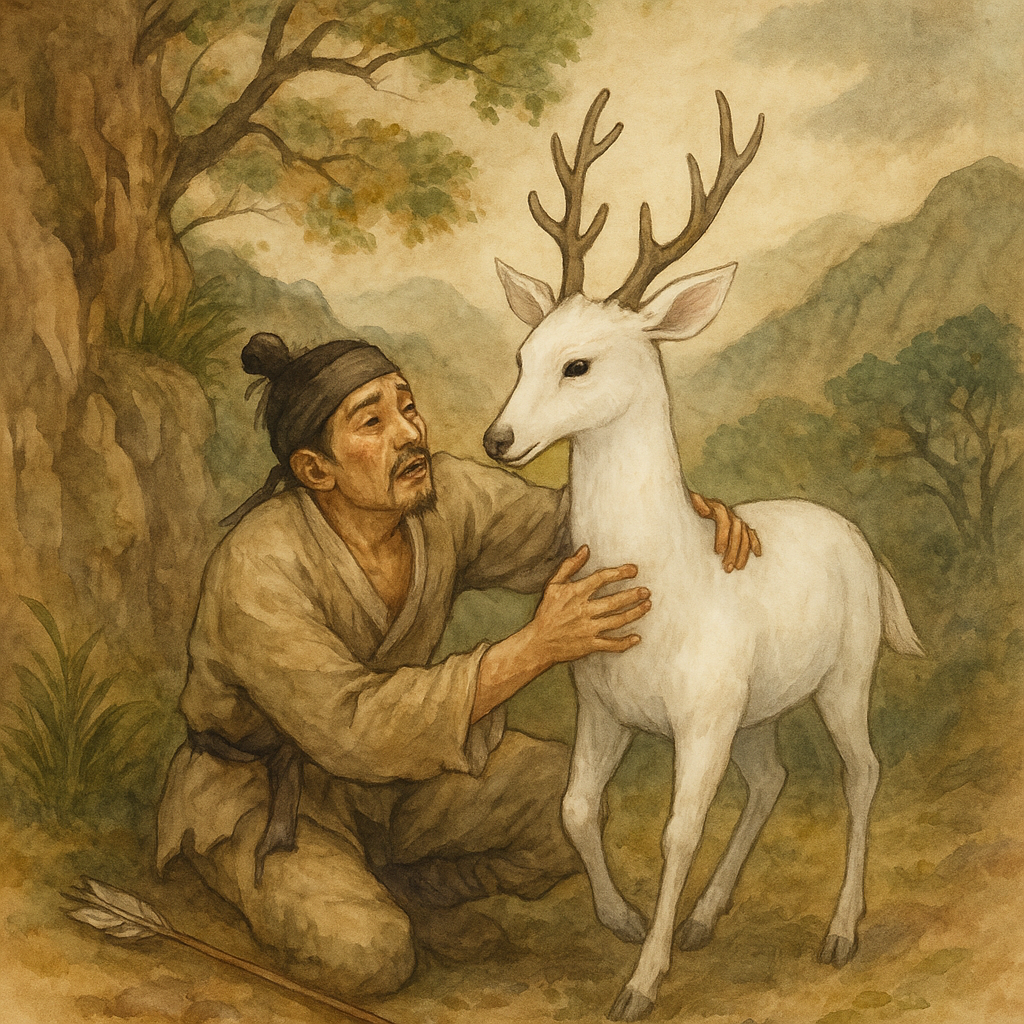
🦌 Korean Folktale Series 21“The Deer and the Hunter”(사슴과 사냥꾼 이야기 · Saseumgwa Sanyangkkun Iyagi)🕰️ 1. The StoryLong ago, deep in the misty forests of Korea, there lived a kind-hearted hunter. Though skilled with a bow, he never hunted more than he needed and always offered prayers of gratitude to the mountain spirit before taking an animal’s life.One winter morning, the hunter set out to find f..

Korean Proverb : To Catch a Tigers Cub One Must Enter the Tigers Den

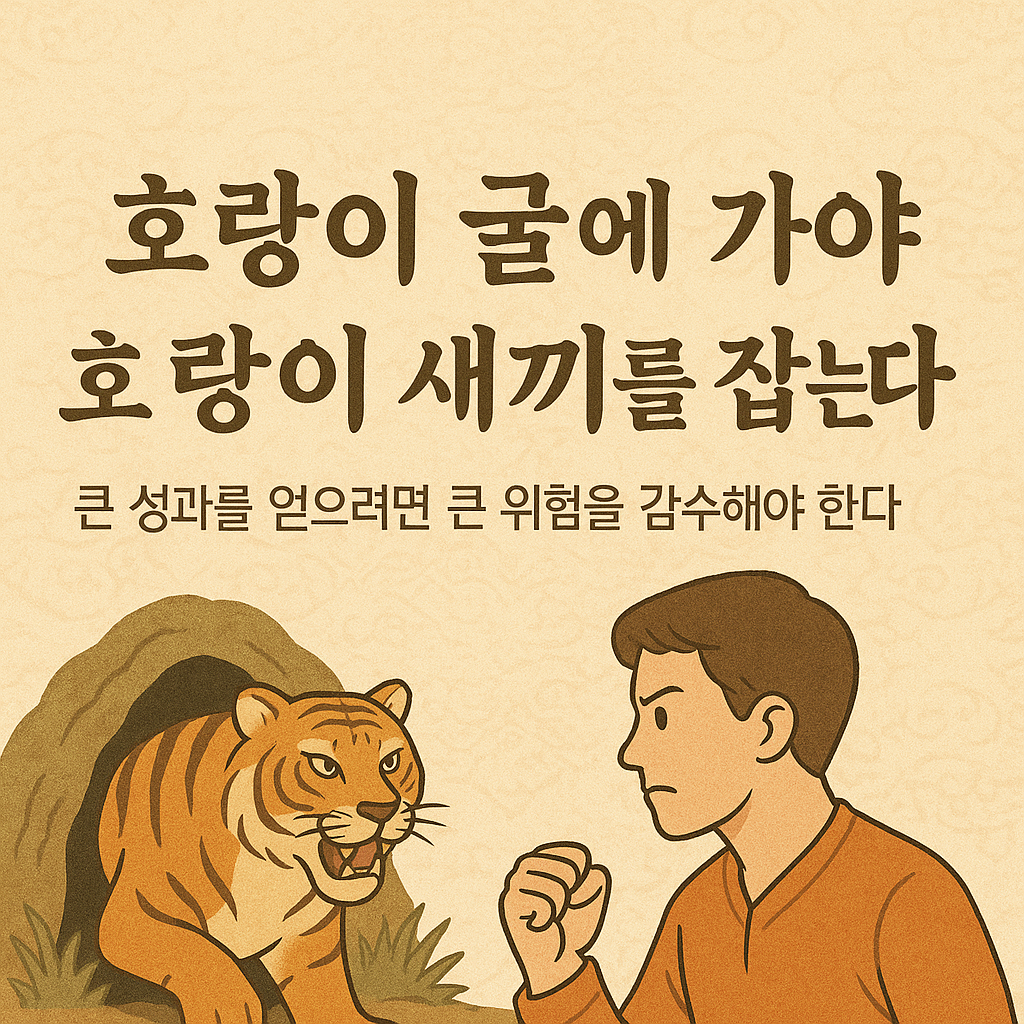
Korean Proverb Series 20To Catch a Tiger’s Cub, One Must Enter the Tiger’s Den"호랑이 굴에 가야 호랑이 새끼를 잡는다"(Horangi gurae gaya horangi saeggireul jabneunda)🕰️ 1. The Proverb’s Core MeaningThe Korean proverb “호랑이 굴에 가야 호랑이 새끼를 잡는다” literally translates to:“You must go into the tiger’s den to catch its cub.”It means that success or great rewards come only through courage and risk. The proverb encourage..

Korean Folktale : The Goddess Samsin – The Guardian of Birth

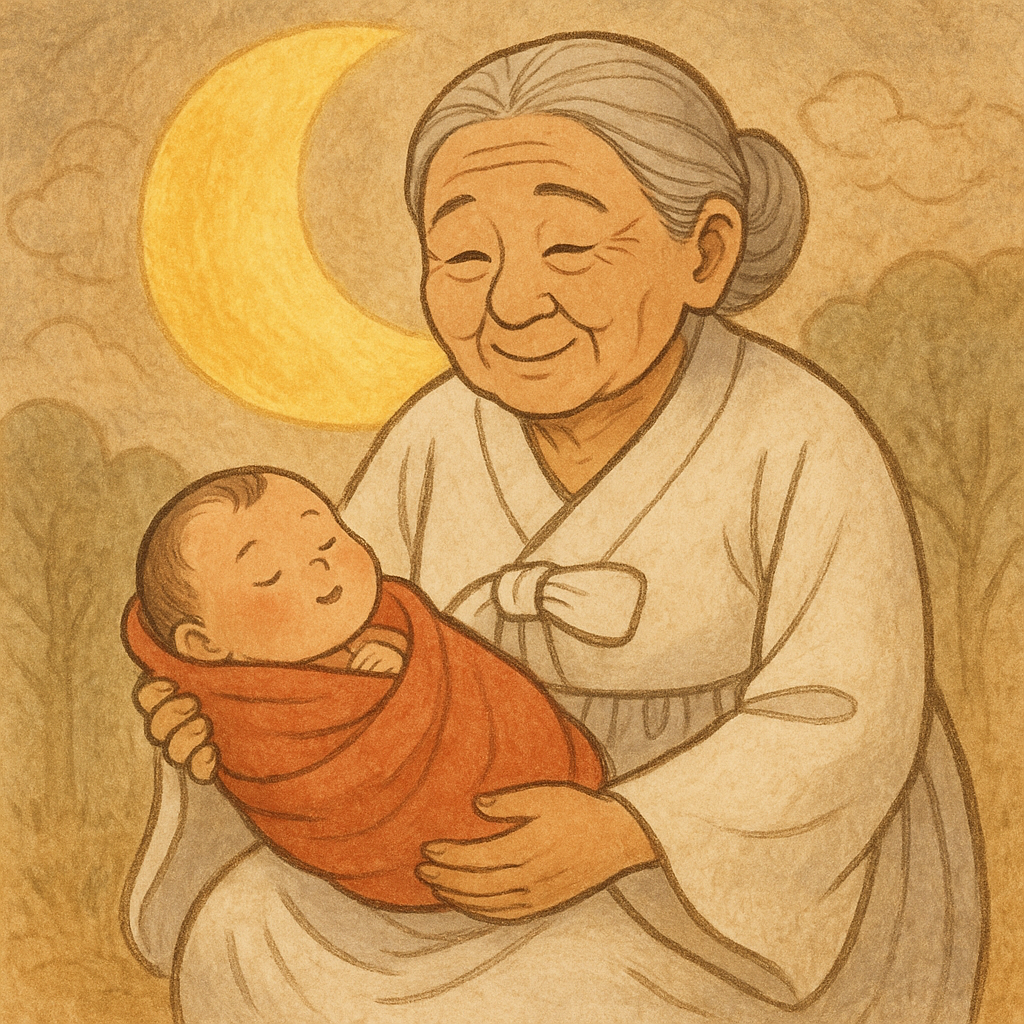
🌕 Korean Folktale Series 20“The Goddess Samsin – The Guardian of Birth”(삼신할머니 이야기 · Samsinhalmeoni Iyagi)🕰️ 1. The StoryLong ago in Korea, before doctors and hospitals existed, people believed that every birth was watched over by a sacred being called Samsinhalmeoni, the Goddess of Birth and Life. It was said that Samsinhalmeoni appeared in every home where a baby was to be born. Invisible to ..

Korean Proverb : Seeing Once Is Better Than Hearing a Hundred Times

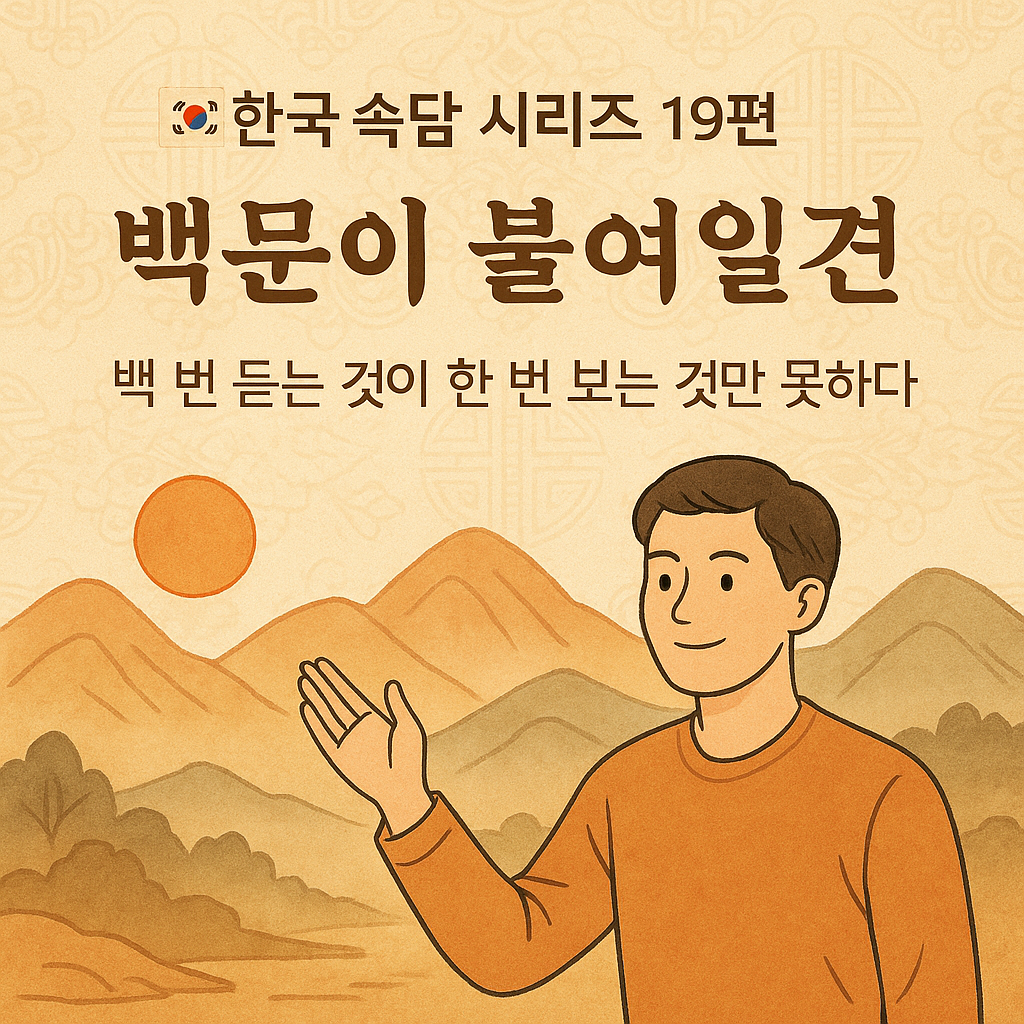
Korean Proverb Series 19Seeing Once Is Better Than Hearing a Hundred Times"백문이 불여일견"(Baekmun-i bulyeo-ilgyeon)🕰️ 1. The Proverb’s Core MeaningThe Korean proverb “백문이 불여일견” literally translates to:“Hearing a hundred times is not as good as seeing once.”It conveys the truth that firsthand experience or direct observation is far more valuable than hearsay or theory. The proverb encourages learning..

Korean Folktale : The Tale of the Lucky Man – The Tiger and the Magistrates Blessing

🐯 Korean Folktale Series 19“The Tale of the Lucky Man – The Tiger and the Magistrate’s Blessing”(운 좋은 사람도 복이다 · Wonnimdeoge Horangi Jabeun Iyagi)🕰️ 1. The StoryLong ago, in a small mountain village, there lived a timid but kind man who was often ridiculed by others for his clumsiness. He never sought trouble and always tried to live peacefully, though he seemed to have no special talents—excep..

한국 속담 : 장마 뒤에 땡볕 난다

🌞 한국 속담 176편 – 장마 뒤에 땡볕 난다🕰️ 1. 속담 뜻풀이“장마 뒤에 땡볕 난다”는 어려움이나 고난이 지나면 반드시 좋은 시절이 온다는 뜻의 속담입니다. 끝없는 비처럼 느껴지는 시련도 언젠가는 멎고, 그 뒤엔 찬란한 햇빛처럼 희망이 찾아온다는 자연의 이치를 담고 있지요.즉, 고생 끝에 낙이 온다는 긍정의 메시지입니다. 🌿 2. 삶의 예시▪️ 오랜 취업 준비 끝에 드디어 원하는 회사에 합격한 사람.▪️ 긴 병상 생활 끝에 건강을 회복한 가족.▪️ 어려운 시기를 견뎌내고 관계가 더 깊어진 부부나 친구. 이 속담은 **“지금의 고난이 영원하지 않다”**는 위로와 희망을 전합니다.장마는 언젠가 그치고, 햇빛은 반드시 다시 비추니까요. 🌐 3. 외국의 유사 속담과 비교미국: “After the ..

한국 설화 : 안성 남사당패 풍물놀이 이야기

🥁 한국 설화 191편– 안성 남사당패 풍물놀이 이야기경기도 안성의 들판에는 지금도 북소리와 꽹과리 소리가 바람을 타고 퍼집니다.그곳에는 사람들을 웃기고 울리던 **남사당패(男寺黨牌)**의 이야기가 전해지지요.그들의 풍물놀이는 단순한 놀이가 아니라, 하늘과 사람을 잇는 신명(神明)의 예술이었습니다.📜 1. 떠돌이들의 무리, 남사당패옛날 안성 근처 마을에는 절도 없고, 집도 없는 사람들의 무리가 있었습니다.그들은 마을마다 떠돌며 줄타기, 탈춤, 풍물놀이, 덧배기춤을 펼치며 굶주린 이들에게 웃음을, 슬픈 이들에게 위로를 주었습니다. 그들의 우두머리는 젊은 광대였는데, 이름은 **바우(岩)**라 불렸습니다.바우는 누구보다 북을 잘 쳤고, 그의 손끝이 닿으면 마치 하늘이 울리고, 사람의 가슴속 근심이 사라졌..

Korean Proverb : Words Have No Feet Yet They Travel a Thousand Miles

Korean Proverb Series 18Words Have No Feet, Yet They Travel a Thousand Miles"발 없는 말이 천 리 간다"(Bal eomneun mal-i cheon ri ganda)🕰️ 1. The Proverb’s Core MeaningThe Korean proverb “발 없는 말이 천 리 간다” literally translates to:“Words have no feet, yet they travel a thousand miles.”It means that what people say — whether true or false — spreads quickly and far. The proverb reminds us that careless speech..