Stories of Korea’s National Treasures 75
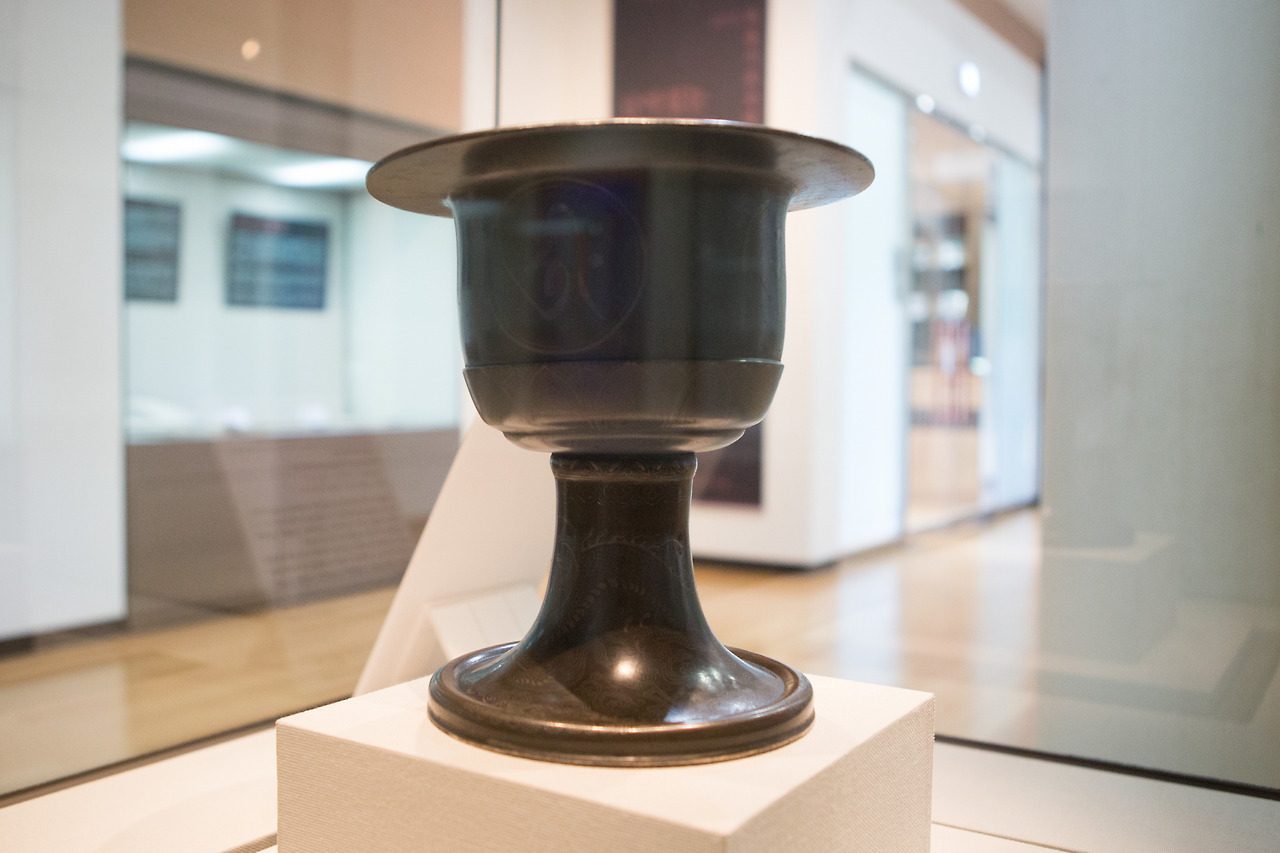
Photo Credit : Korea Heritage Service (National Heritage Portal)
Bronze Incense Burner with Silver-inlaid Design of Pyochungsa Temple
(Goryeo Dynasty, 1177 — Pyochungsa Temple, Miryang)
🏯 1. A Sacred Vessel from the Goryeo Dynasty
During the Goryeo Dynasty (918–1392), Buddhism played an important role in Korean society, influencing religious ceremonies, architecture, sculpture, and decorative arts.
Among the remarkable Buddhist treasures preserved from this period is the Bronze Incense Burner with Silver-inlaid Design of Pyochungsa Temple.
Created in 1177, during the reign of King Myeongjong, this incense burner represents the sophisticated metalworking techniques and refined artistic traditions of Goryeo.
Known in Korean as a hyangwan, it was used to burn incense during Buddhist ceremonies or as an offering before a Buddhist altar.
As fragrant smoke rose from the vessel, it helped create a solemn atmosphere for prayer and contemplation.
More than a ceremonial object, this incense burner preserves the artistic skill and spiritual traditions of medieval Korea.
🪨 2. The Delicate Art of Silver Inlay
One of the most remarkable features of this treasure is its exquisite silver-inlay technique, known in Korean as eunipsa.
Artisans first carved delicate grooves into the bronze surface and then inserted thin silver wires into those grooves to create intricate decorative patterns.
This technique required exceptional precision, patience, and artistic judgment.
The incense burner measures approximately 27.5 centimeters in height and 26.1 centimeters across its opening.
Its broad, bowl-shaped upper section rests upon a gracefully flaring pedestal, creating a balanced and elegant silhouette.
The surface is decorated with Sanskrit characters, cloud patterns, and dragons, all skillfully expressed through silver inlay.
The contrast between the dark bronze and bright silver gives the vessel a distinctive beauty.
Every carefully placed line reveals the extraordinary craftsmanship of Goryeo metalworkers.
🌄 3. Buddhist Symbolism in Every Detail
The decorative patterns of this incense burner were closely connected to the religious world in which it was created.
The Sanskrit characters reflect the importance of sacred language in Buddhist rituals and devotional practices.
Cloud patterns evoke the atmosphere of a spiritual realm, while dragons, frequently found in East Asian Buddhist art, are associated with power and protection.
These elements were not merely ornamental.
Together, they contributed to the sacred character of the vessel and the ceremonies in which it was used.
The incense burner demonstrates how Goryeo artisans combined religious meaning with artistic expression.
Through bronze, silver, and carefully arranged designs, they created an object that served both a practical and spiritual purpose.
🌿 4. An Inscription That Preserves History
The Pyochungsa incense burner is especially valuable because it contains an inscription of 57 Chinese characters.
This inscription provides evidence that the vessel was produced in 1177, making it the oldest surviving incense burner of its kind preserved in Korea.
Another inscription indicates that the vessel was once associated with Yongheungsa Temple in Changnyeong.
Although it is now preserved at Pyochungsa Temple in Miryang, the exact circumstances of its transfer remain uncertain.
These written records allow historians to study the incense burner's history with greater accuracy.
Designated National Treasure No. 75 under Korea's former numbering system, the vessel is an important source for understanding Goryeo Buddhist ceremonies, metalworking techniques, and religious craftsmanship.
Its survival across more than eight centuries reminds us of the importance of preserving even the smallest details of cultural heritage.
💬 5. A Warm Reflection
“Incense rises into the air and slowly disappears,
but the devotion behind it can endure for centuries.
Within this bronze vessel,
the patience of an artisan and the prayers of the past remain together.
It reminds us that true beauty is not only what the eyes can see,
but also the care, sincerity, and meaning placed within it.”
📌 Notice
The National Treasure number indicates the order of designation, not a ranking of value.
For more information, please visit the 👉 National Heritage Portal.
More Stories of Korea’s National Treasures
Discover more national treasures of Korea here: