Korean Proverbs & World Proverbs 99

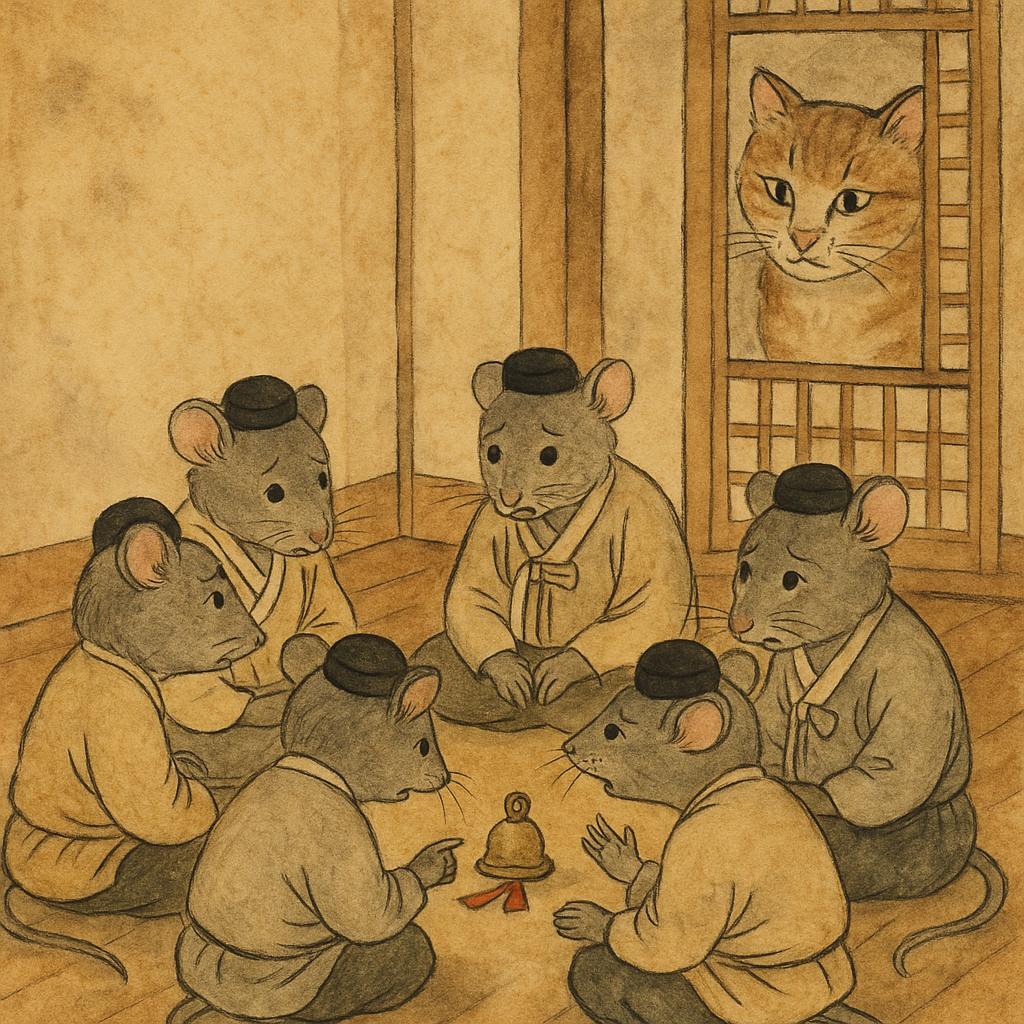
Korean Proverb : Belling the Cat

Korean Proverb Series 39Belling the Cat“고양이 목에 방울 달기”(Goyangi mok-e bangul dalgi)🕰️ 1. The Proverb’s Core MeaningThe Korean proverb “고양이 목에 방울 달기” literally means“To hang a bell around a cat’s neck.”It refers to a plan or idea that sounds clever in theorybut is difficult — or even impossible — to carry out in practice.It humorously captures human nature: people often discuss brave solutions,yet..

Korean Proverb : Words Have Flavor When Spoken and Meat Has Flavor When Chewed

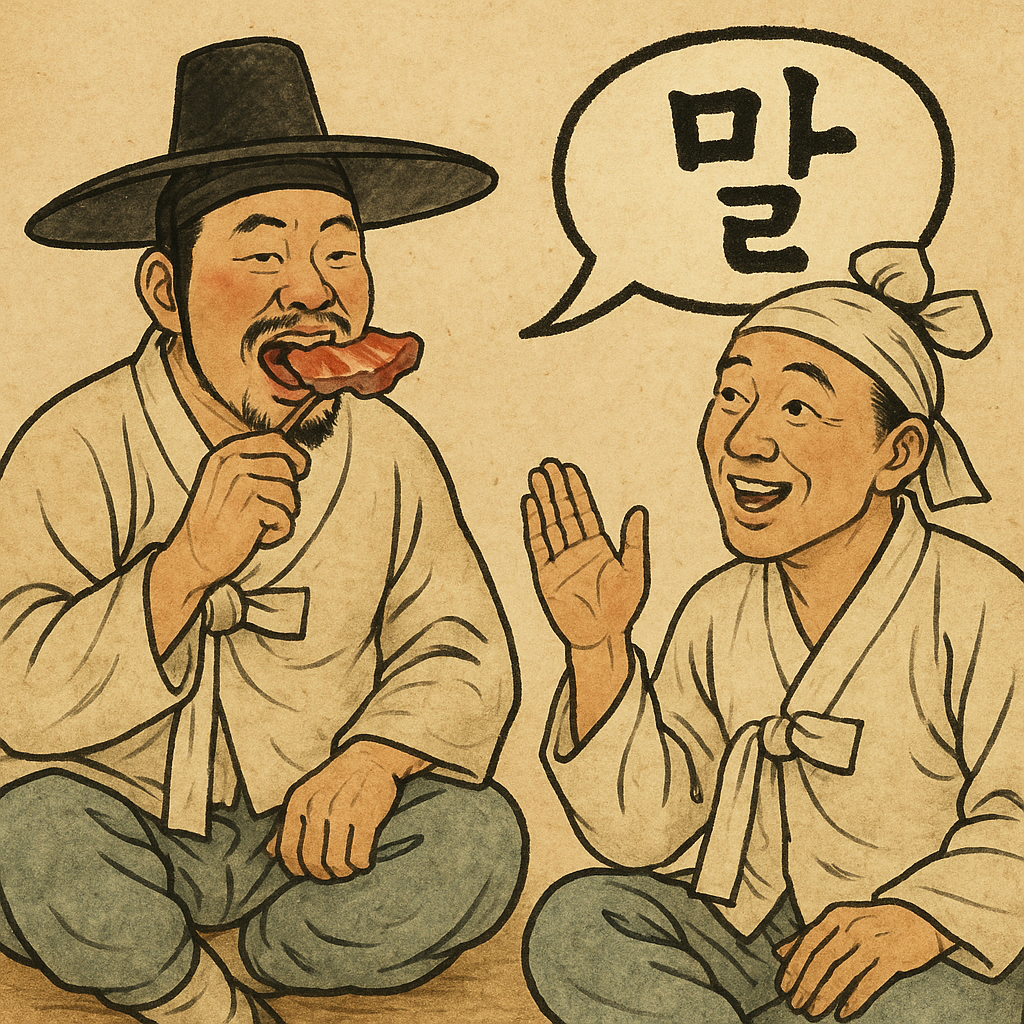
Korean Proverb Series 38Words Have Flavor When Spoken, and Meat Has Flavor When Chewed“말은 해야 맛이고, 고기는 씹어야 맛이다”(Maleun haeya masigo, gogineun ssibeoya masida)🕰️ 1. The Proverb’s Core MeaningThe Korean proverb “말은 해야 맛이고, 고기는 씹어야 맛이다” literally means“Words have flavor when spoken, and meat has flavor when chewed.”It emphasizes that words, like food, must be expressed to fulfill their purpose.Just..

Korean Proverb : Too Many Boatmen Make the Boat Go to the Mountain

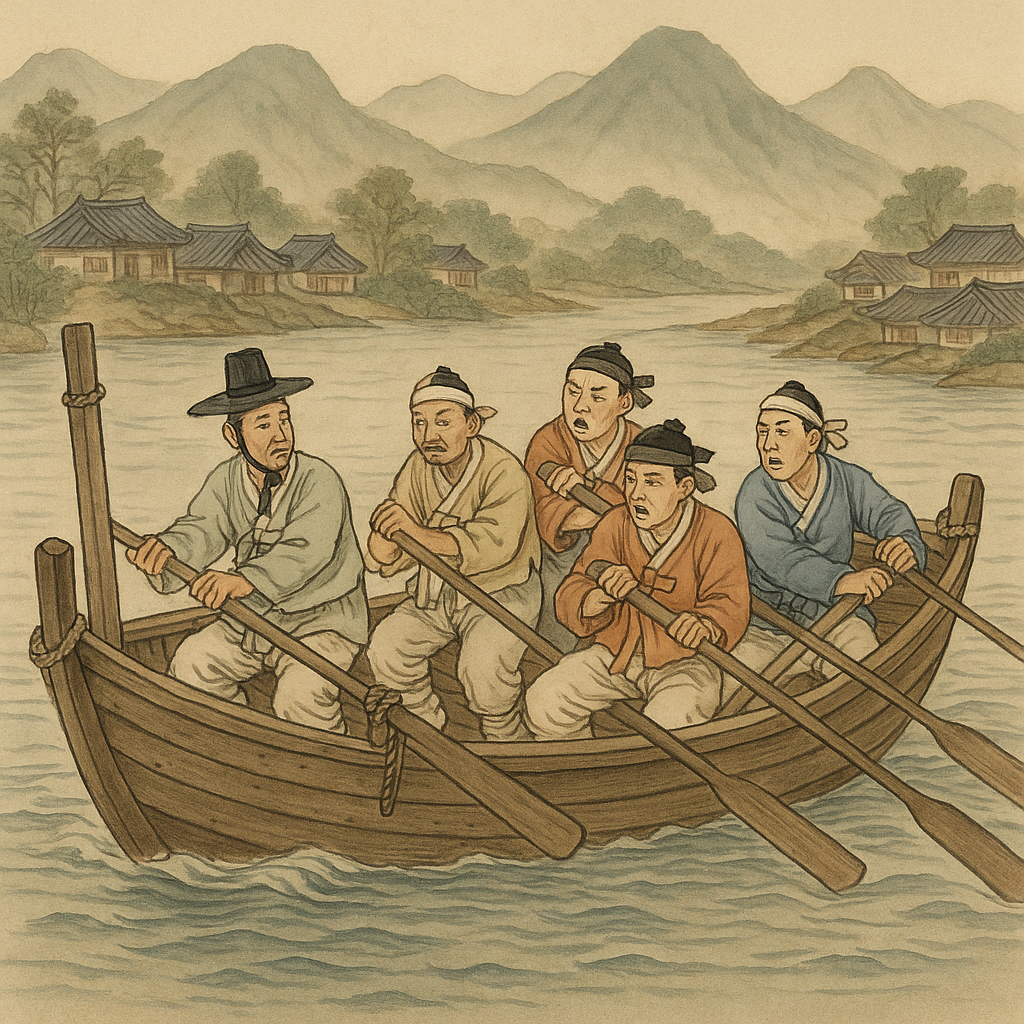
Korean Proverb Series 37Too Many Boatmen Make the Boat Go to the Mountain“사공이 많으면 배가 산으로 간다”(Sagongi manheumyeon baega saneuro ganda)🕰️ 1. The Proverb’s Core MeaningThe Korean proverb “사공이 많으면 배가 산으로 간다” literally means“If there are too many boatmen, the boat will end up on a mountain.”It humorously warns that when too many people try to lead or interfere,the result is confusion and failure.A c..

Korean Proverb : The Arm Bends Inward

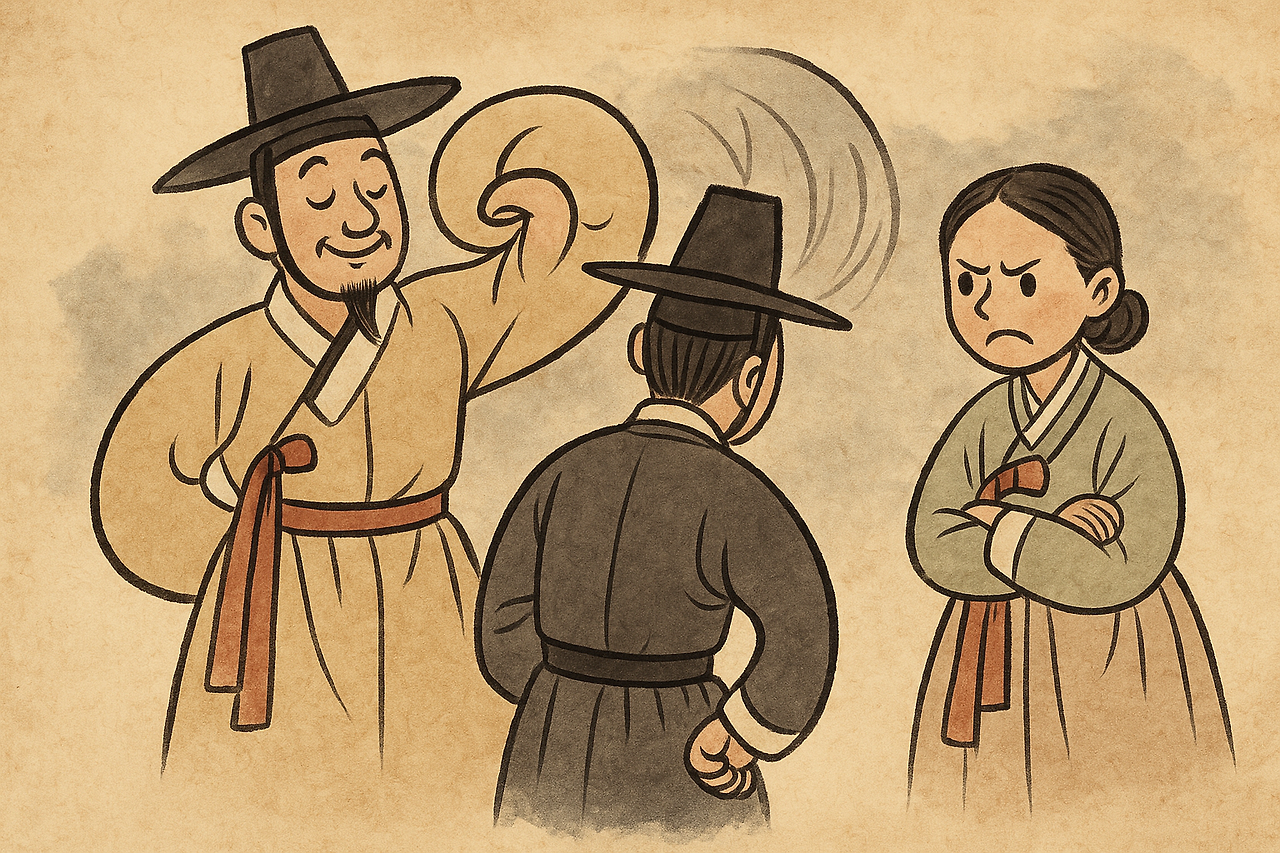
Korean Proverb Series 36The Arm Bends Inward“팔은 안으로 굽는다”(Pareun aneuro gupneunda)🕰️ 1. The Proverb’s Core MeaningThe Korean proverb “팔은 안으로 굽는다” literally means“The arm bends inward.”It expresses the idea that people naturally favor their own side —family, friends, or those they feel close to —even when fairness might demand otherwise.This saying reveals a realistic understanding of human natur..

Korean Proverb : After Hardship Comes Happiness

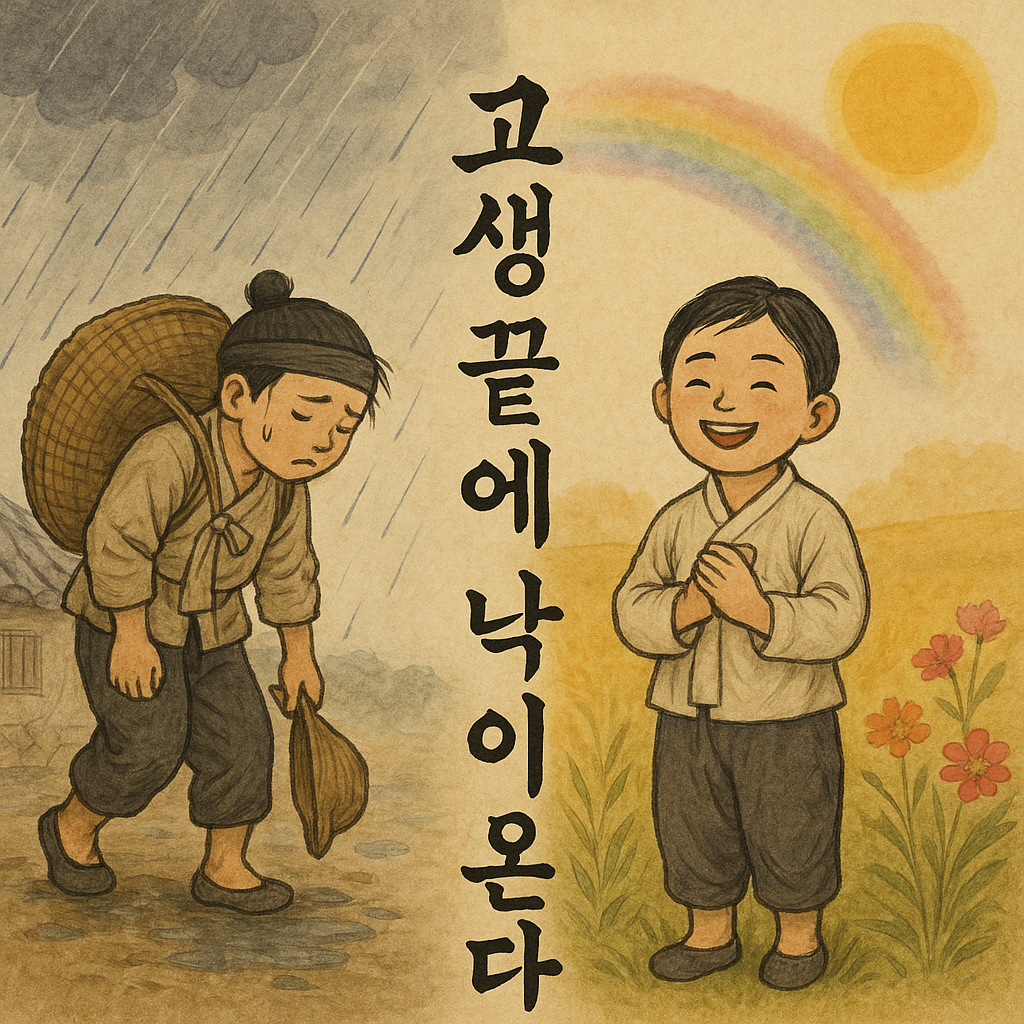
Korean Proverb Series 35After Hardship Comes Happiness“고생 끝에 낙이 온다”(Gosaeng kkeute nagi onda)🕰️ 1. The Proverb’s Core MeaningThe Korean proverb “고생 끝에 낙이 온다” literally means“At the end of hardship comes joy.”It reflects a deep Korean belief that patience and perseverance lead to better days.Just as spring follows winter, happiness eventually follows suffering.This saying offers comfort and cour..

Korean Proverb : When Your Cousin Buys Land, Your Stomach Hurts

Korean Proverb Series 34When Your Cousin Buys Land, Your Stomach Hurts“사촌이 땅을 사면 배가 아프다”(Sachoni ttangeul samyeon baega apeuda)🕰️ 1. The Proverb’s Core MeaningThe Korean proverb “사촌이 땅을 사면 배가 아프다” literally means“When your cousin buys land, your stomach aches.”It captures a humorous but truthful side of human nature —the feeling of jealousy when someone close to us becomes successful.Rather tha..

Korean Proverb : Give an Extra Rice Cake to the One You Dislike

Korean Proverb Series 33Give an Extra Rice Cake to the One You Dislike“미운 놈 떡 하나 더 준다”(Miun nom tteok hana deo junda)🕰️ 1. The Proverb’s Core MeaningThe Korean proverb “미운 놈 떡 하나 더 준다” literally means“Give one more rice cake to the person you dislike.”It may sound paradoxical at first, but it carries deep emotional wisdom.It teaches that when anger or dislike arises, we should respond with kind..

Korean Proverb : The Grass Is Greener on the Other Side

Korean Proverb Series 32The Grass Is Greener on the Other Side“남의 떡이 커 보인다”(Namui tteogi keo boinda)🕰️ 1. The Proverb’s Core MeaningThe Korean proverb “남의 떡이 커 보인다” literally means“Other people’s rice cakes look bigger.”It reflects the human tendency to believe that what others have is better than our own.This saying humorously describes envy and discontent — the idea that we often fail to appr..

Korean Proverb : See One Thing and You Know Ten

Korean Proverb Series 31See One Thing, and You Know Ten"하나를 보면 열을 안다"(Hanareul bomyeon yeoreul anda)🕰️ 1. The Proverb’s Core MeaningThe Korean proverb “하나를 보면 열을 안다” literally translates to:“By seeing one, you know ten.”It means that a single clue or action can reveal a person’s true nature or the whole situation. The proverb highlights the value of insight and observation — the ability to unde..

Korean Proverb : Kill Two Birds with One Stone

Korean Proverb Series 30Kill Two Birds with One Stone"꿩 먹고 알 먹는다"(Kkwong meokgo al meokneunda)🕰️ 1. The Proverb’s Core MeaningThe Korean proverb “꿩 먹고 알 먹는다” literally translates to:“Eat the pheasant and its eggs, too.”It describes a situation where one gains double benefits from a single action — a clever, efficient outcome where both sides are won. The proverb often carries a slightly humorou..