전체 글 990

한국의 국보 : 구례 연곡사 동 승탑

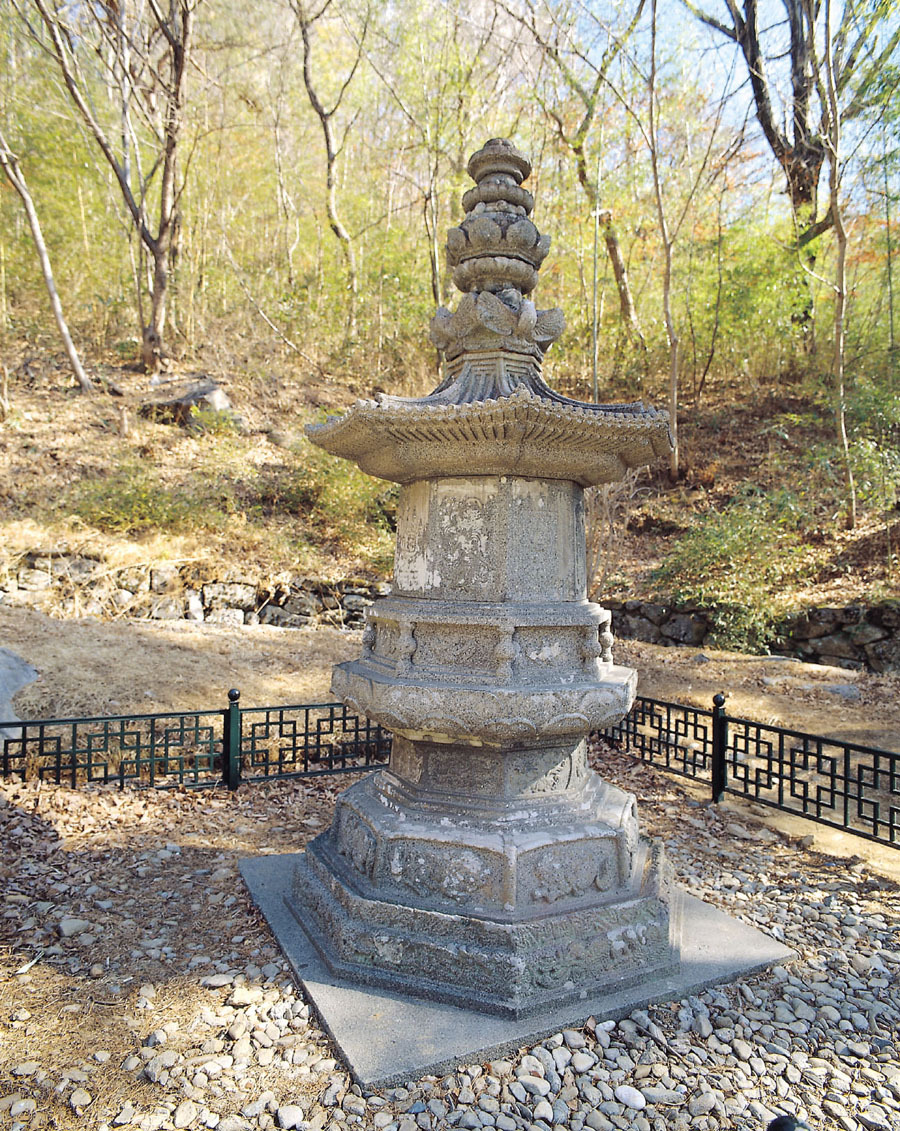
한국의 국보 이야기 시리즈 53사진출처 : 국가유산청 - 📚 구례 연곡사 동 승탑 -📍 위치: 전라남도 구례군 토지면 연곡사⏳ 시대: 고려 (9세기 후반~10세기 초)✨ 1. 역사와 개요지리산 깊숙한 연곡사 경내에 자리 잡은 **연곡사 동 승탑(東 僧塔)**은 고승의 사리를 봉안하기 위해 세워진 팔각형 승탑으로, 고려 초기의 아름다운 석조문화를 온전히 보여주는 귀중한 국보입니다. 이 승탑은 연곡사가 통일신라 말~고려 초 불교 중심지였음을 증명하는 유물이며, 조용한 산사의 분위기 속에서 수백 년 동안 한 자리를 지켜온 **“수행자의 깨달음을 담은 돌의 성전”**이라 불리기도 합니다. 팔각 기단과 탑신, 선이 고운 옥개석, 연꽃봉오리를 닮은 상륜부까지 전체적인 조형미가 매우 조화롭고 정제되어 있어 고려 ..
Korean Proverb : Looking for Scorched-Rice Tea at the Well

Korean Proverb Series 72Looking for Scorched-Rice Tea at the Well“우물가에서 숭늉 찾는다”(Umulga-eseo sungnyung channeunda)🕰️ 1. The Proverb’s Core MeaningThe Korean proverb “우물가에서 숭늉 찾는다” literally means“Looking for scorched-rice tea at the well.”It describes a situation where someone seeks something in a place where it clearly cannot be found —a mismatch between desire and reality.Just as scorched-rice..

Korean Proverb : No One Spits in a Smiling Face

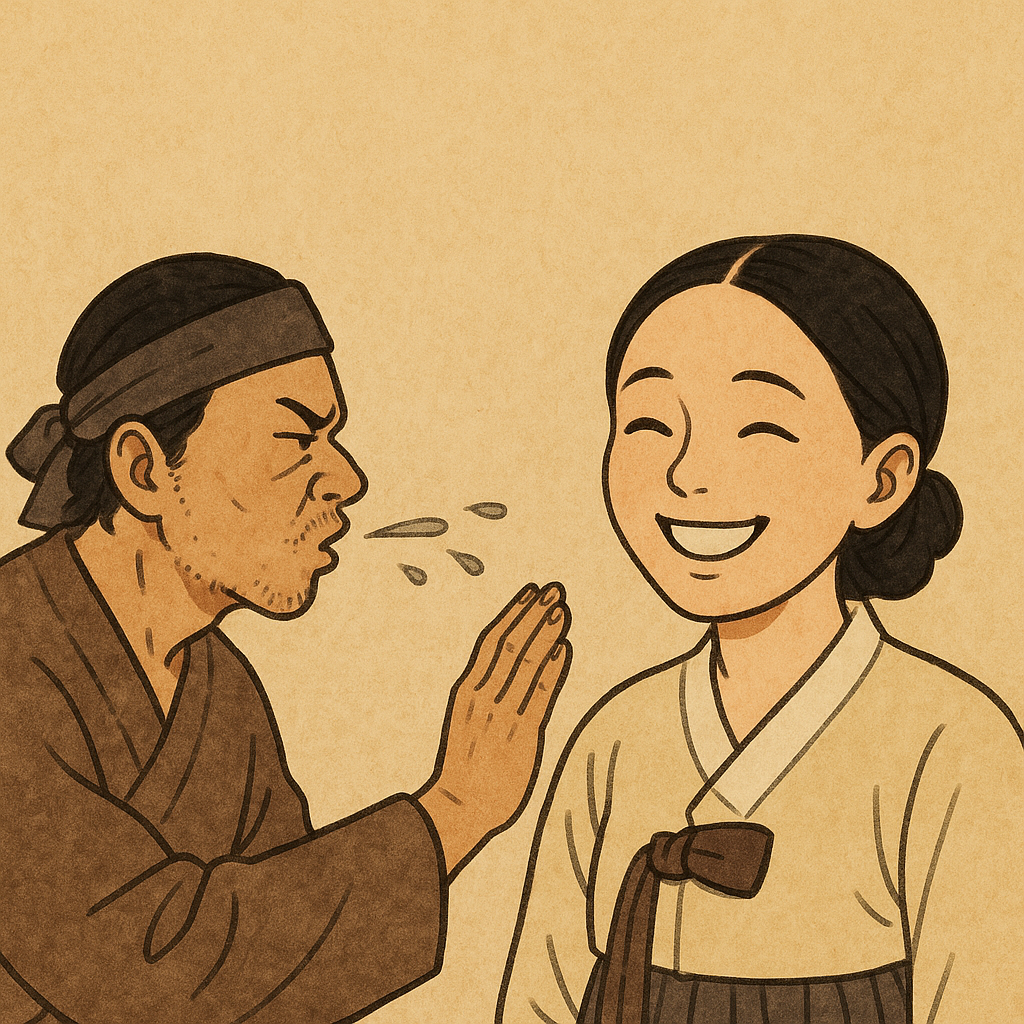
Korean Proverb Series 71No One Spits in a Smiling Face“웃는 얼굴에 침 못 뱉는다”(Unneun eolgure chim mot baetneunda)🕰️ 1. The Proverb’s Core MeaningThe Korean proverb “웃는 얼굴에 침 못 뱉는다” literally means“No one can spit at a smiling face.”It teaches that kindness disarms hostility.A warm smile softens anger, reduces tension,and makes it difficult for others to act with malice.This saying reminds us that gent..

Korean Folktale : Who Is the Child Beneath the Bridge

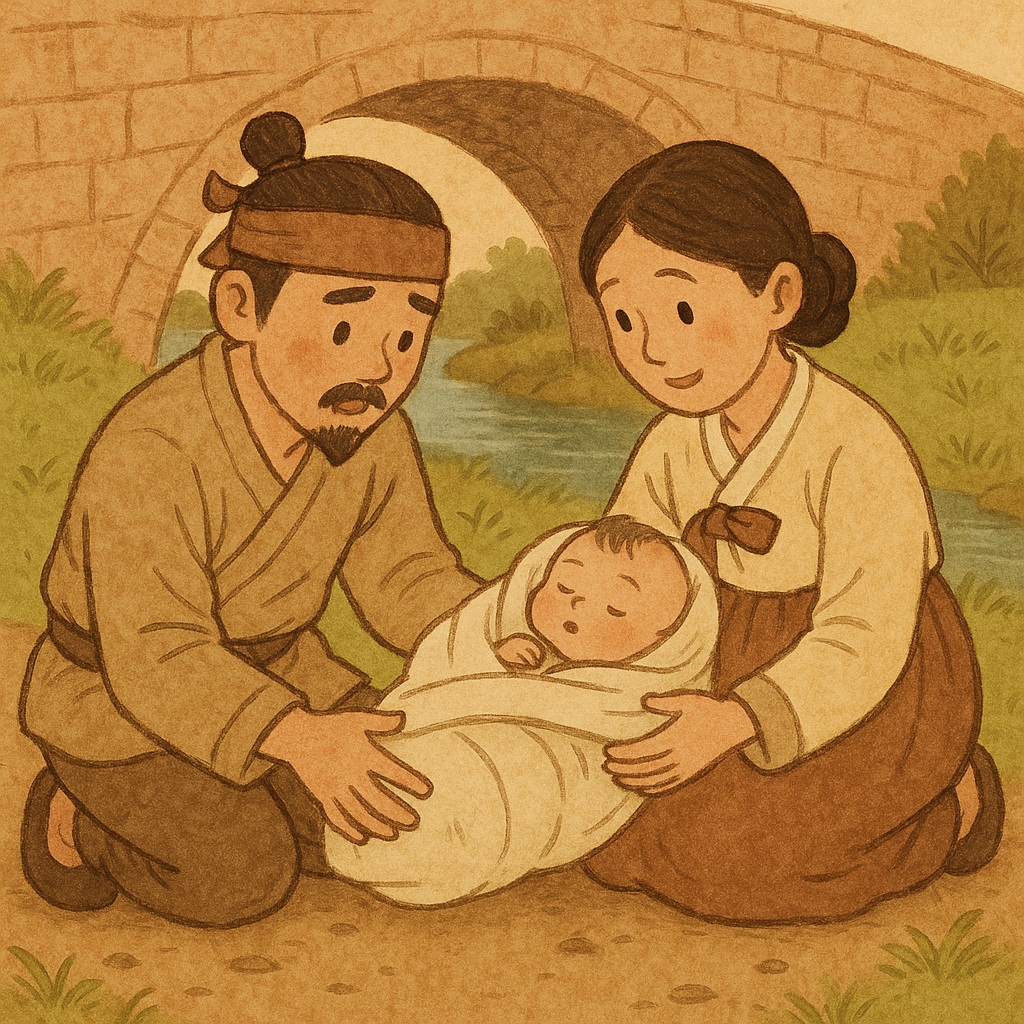
🌉 Korean Folktale Series 72 “Who Is the Child Beneath the Bridge?”(다리 밑의 아이는 누구인가 · Dari Mit-ui Ai-neun Nuguinga)🕰️ 1. The StoryLong ago, during a season of heavy rains, a small village by the river overflowed with fear and worry. The waters rose day by day, threatening homes and washing away fields. At the edge of the village stood an old stone bridge, cracked and weary from years of storms.O..

Korean Folktale : The Hwarang and the Golden Arrow

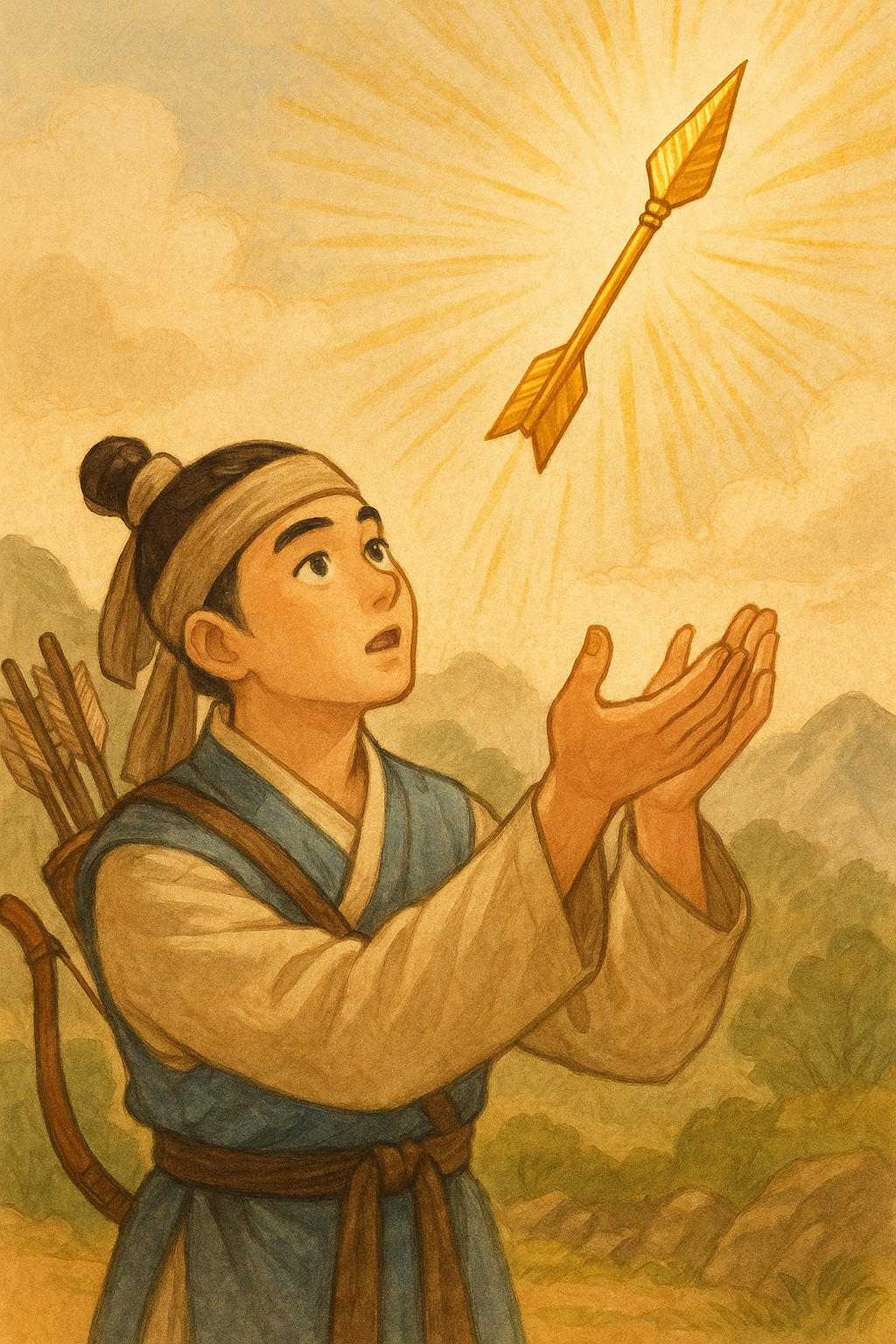
🏹 Korean Folktale Series 71 “The Hwarang and the Golden Arrow”(신라의 화랑과 금빛 화살 · Silla-ui Hwarang-gwa Geumbit Hwasal)🕰️ 1. The StoryIn the ancient kingdom of Silla, where mountains gleamed like emeralds and the sea glowed silver at dawn, there lived a young Hwarang warrior named Yun-seong. He was graceful in movement, noble in spirit, and loyal to his homeland. But what set him apart from others..

Korean Traditional Game : Seopdari Geonneogi

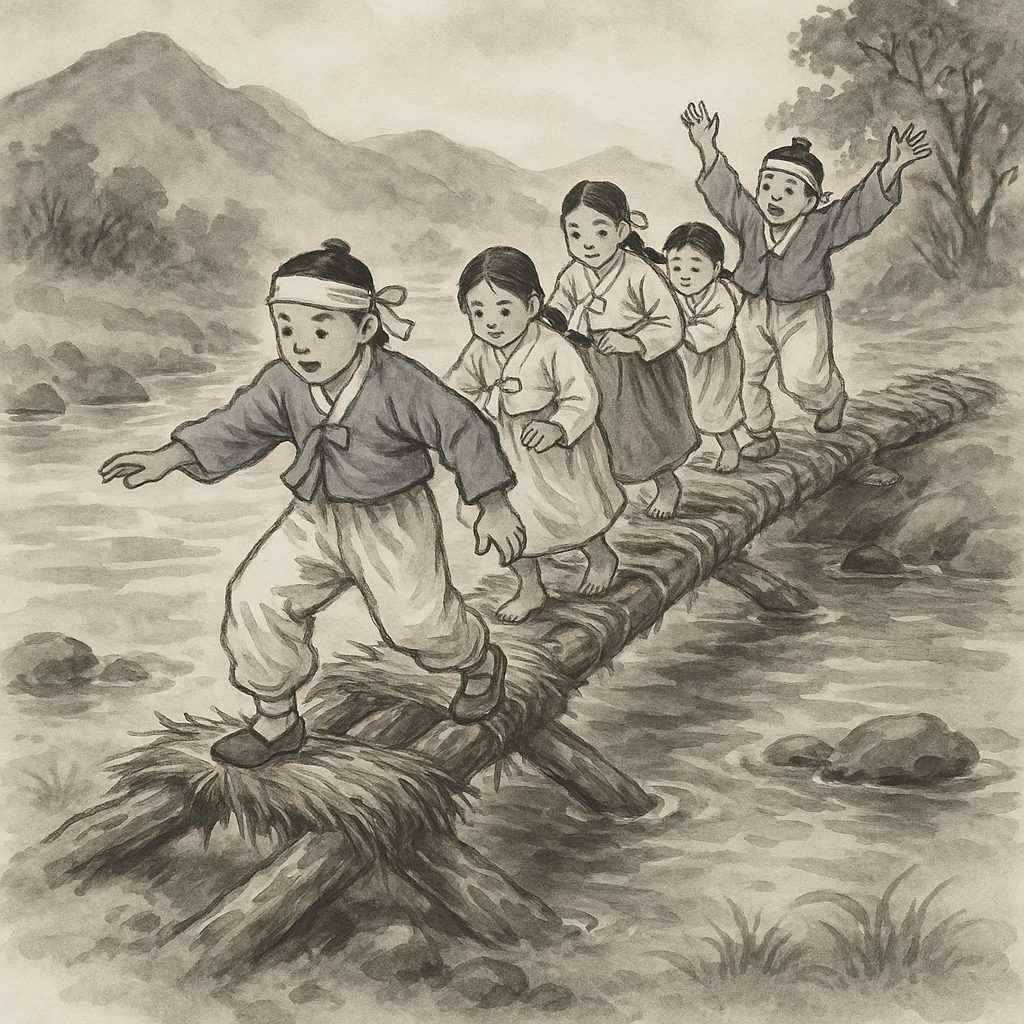
🌉 Korean Traditional Game Series 45 Seopdari Geonneogi(섶다리 건너기 · Korean Brushwood Bridge Crossing)🕰️ 1. IntroductionSeopdari Geonneogi (섶다리 건너기), or “crossing the brushwood bridge,” is a warm and symbolic Korean folk play that once marked the change of seasons — especially around the first full moon of the lunar year (Jeongwol Daeboreum).The “seopdari,” a temporary bridge made of straw or brus..

Stories of Korea’s National Treasures : Clay Seated Buddha of Buseoksa Temple

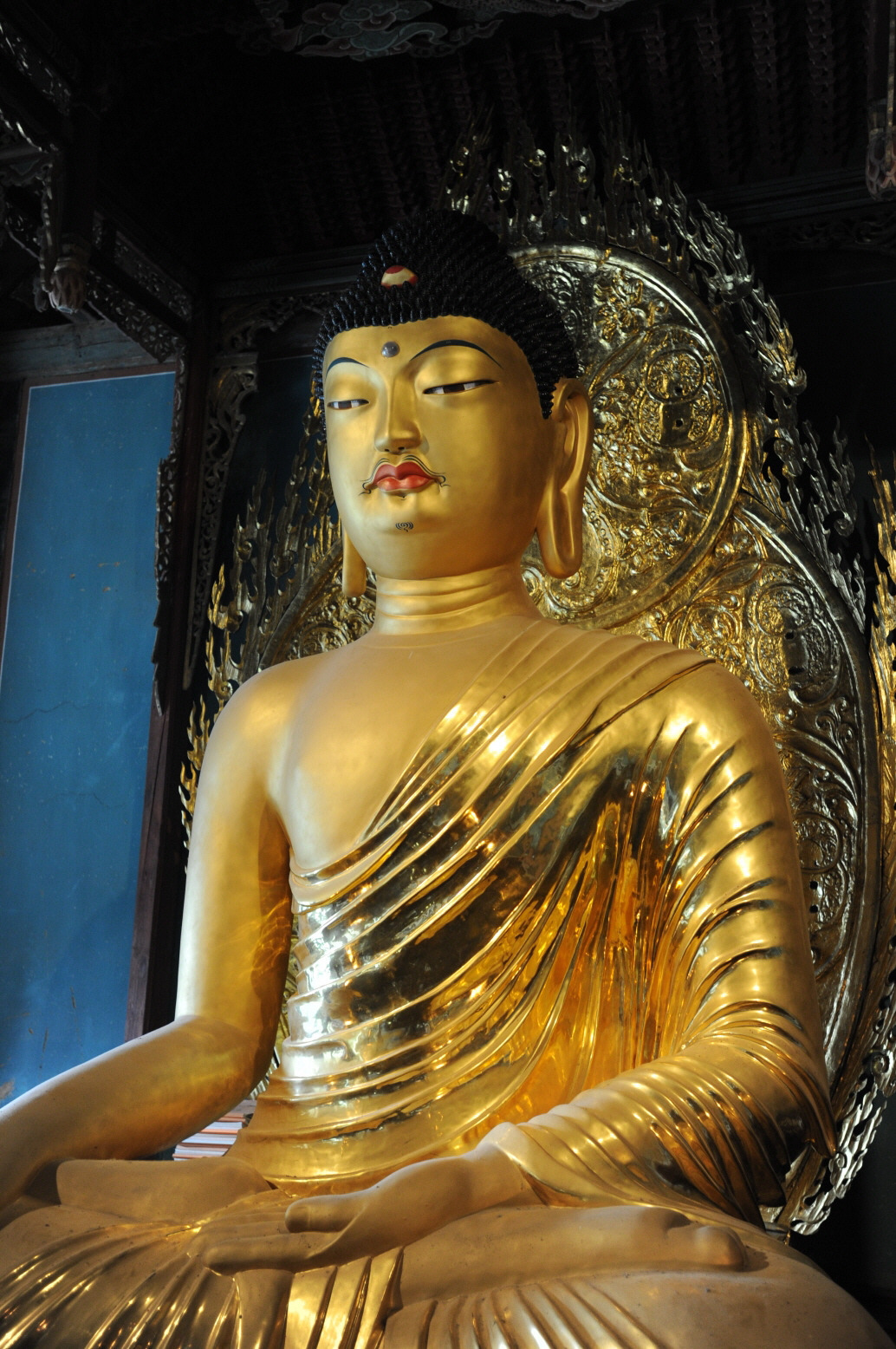
Stories of Korea’s National Treasures 45Photo Credit : Cultural Heritage Administration of KoreaClay Seated Buddha of Buseoksa Temple(Yeongju, Gyeongsangbuk-do)🏯 1. The Buddha of Timeless CompassionWithin the Muryangsujeon Hall of Buseoksa Temple in Yeongju sits a figure of serene grace — the Clay Seated Buddha (Sojo Yeorae Jwasang), a masterpiece of Korean Buddhist art that has watched over ge..

한국 전통놀이 : 장기

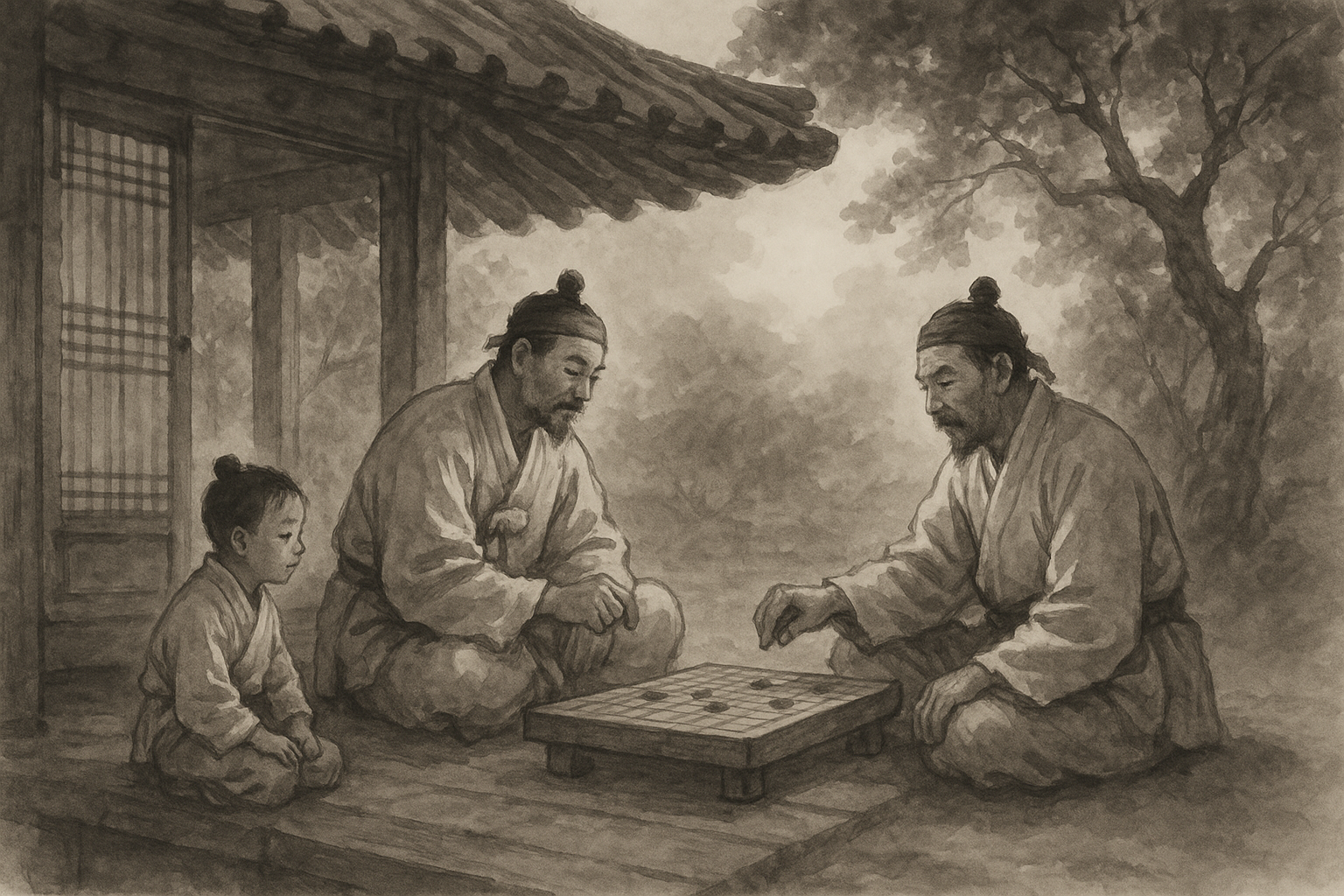
🎋 한국 전통놀이 93편 장기 – 전략과 지혜가 만나는 조선의 두뇌 놀이 ✨ 1. 놀이의 개요장기(將棋)는 두 사람이 마주 앉아 말을 움직여 승부를 겨루는 한국의 전통 전략 놀이입니다.고려 시대부터 기록이 나타나며, 조선 시대에 들어 한층 형식이 정교해지면서 오늘날의 장기 체계가 갖춰졌습니다. 장기는 단순한 게임이 아니라, **지략·인내·판단력·기세(氣勢)**를 겨루는 정신놀이로 여겼습니다. 서민들은 장터와 주막에서, 선비들은 사랑채에서, 심지어 왕실에서도 장기는 중요한 여가 활동이자 수련 요소였습니다.🎍 2. 놀이의 유래장기는 중국의 ‘상기(象棋)’에서 기원했지만, 세월이 지나면서 한국 고유의 말 체계와 전술 방식을 갖추게 되었습니다. ▪️ **『고려도경』(1123년)**에는 이미 고려 귀족들이 장..

한국의 국보 : 합천 해인사 장경판전

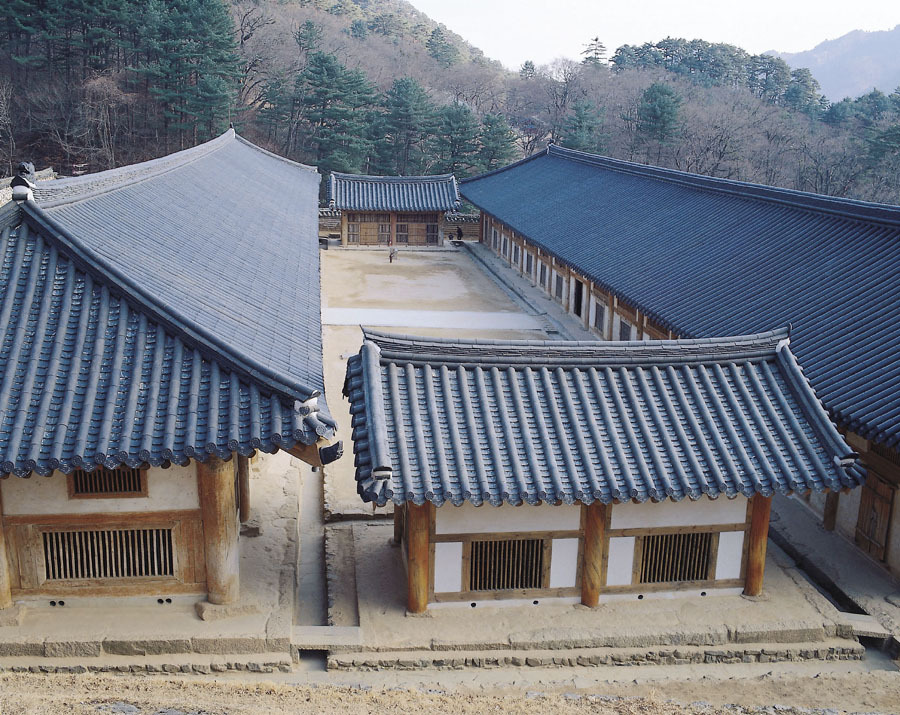
한국의 국보 이야기 시리즈 52사진출처 : 국가유산청 - 📚 합천 해인사 장경판전 -📍 위치: 경상남도 합천군 가야면 해인사⏳ 시대: 조선 초기(15세기)✨ 1. 역사와 개요합천 해인사 장경판전은 **팔만대장경(국보 제32호)**을 보관하기 위해 지어진 전각으로, 현존하는 세계 최고 수준의 목조건물 자연통풍 과학 건축물입니다. 팔만대장경은 한국이 세계에 자랑하는 불교 경전의 결정판이며, 장경판전은 그 경판들을 **천 년 동안 썩지 않게 보존해온 살아 있는 ‘지식의 집’**입니다. 유네스코 세계문화유산으로도 지정된 장경판전은 과학, 건축, 종교, 예술이 완벽하게 조화된 기적 같은 공간이에요.🏛️ 2. 구조와 특징장경판전은 네 개의 건물로 이루어져 있습니다.앞쪽에는 **수다라장(修多羅藏)**과 법보전(..

Korean Proverb : Not Enough to Reach the Liver

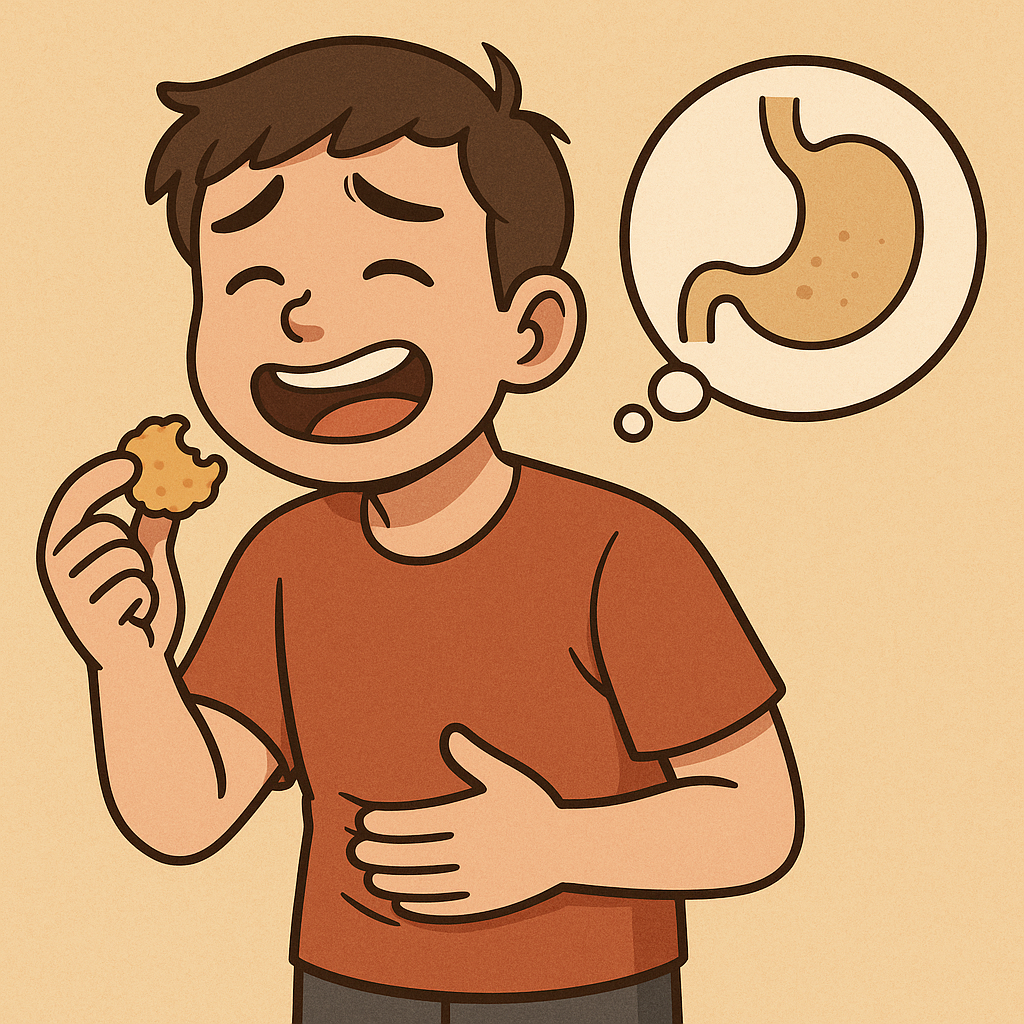
Korean Proverb Series 70Not Enough to Reach the Liver“간에 기별도 안 간다”(Gane gibyeoldo an ganda)🕰️ 1. The Proverb’s Core MeaningThe Korean proverb “간에 기별도 안 간다” literally means“It’s not enough to reach the liver.”In Korean culture, the liver is often associated withone’s energy, strength, or inner vitality.Thus this proverb describes something so small, weak, or insufficientthat it doesn’t make the ..